Skip to content
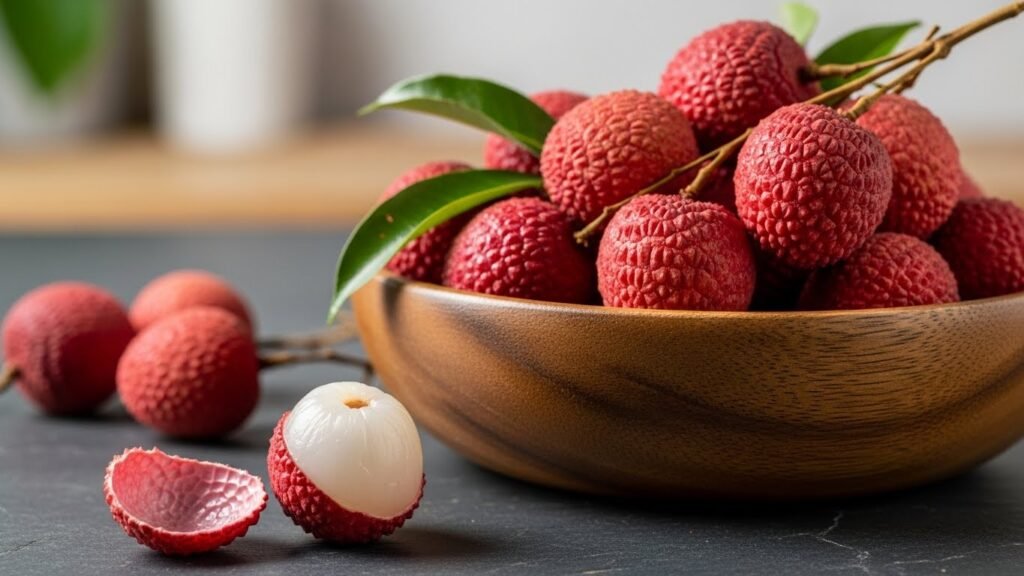
Lychee is a super cool tropical fruit that tastes like a mix of grapes and roses. It is sweet and juicy but it goes bad very fast. If you do not know how to store lychee the right way you will end up with a brown mess. This guide will help you keep your fruit fresh for a long time. You will learn everything from unboxing to freezing like a pro.
Introduction to Lychee Freshness
Lychees are very delicate fruits that need a lot of love. They are way more perishable than apples or oranges. Once they are picked they start to lose moisture and change color quickly. You have to act fast to keep them tasting great. Understanding how they live and breathe will help you be a master of fruit storage.
Understanding the Perishable Nature of Lychee
Lychee fruit has a very thin skin that does not protect it well. This skin is called the pericarp and it loses water fast. When the skin loses water it turns from red to brown. This process happens much faster than it does with other stone fruits like peaches. You need to treat them like gold if you want them to last.
The Science of Post-Harvest Physiology
After a lychee is picked it still breathes just like a living thing. This breathing process is called respiration. Lychees have a high respiration rate which means they use up their energy quickly. As they breathe they release heat and moisture. If you keep them in a hot spot they will breathe faster and rot in no time.
Why Proper Storage is Critical
Storing lychee the right way keeps the flavor perfect. You want to keep that sweet floral scent and the juicy texture. If you just leave them on the counter they will dry out and turn sour. Good storage keeps the sugars and acids in balance. It also prevents nasty mold from growing on the stems.
The Journey from Tree to Kitchen
Most lychees travel a long way to get to your house. They are often shipped from places like Hawaii, Florida, or Southeast Asia. Hula Brothers lychees are tree-ripened and never frozen before they ship. This means they are super fresh when they start their trip. Knowing how they were handled helps you know how to fix any shipping stress.
Immediate Steps Upon Receiving or Purchasing Lychee
When your lychee package arrives you have to drop everything and help the fruit. Do not let the box sit on your porch in the sun. The first hour is the most important time for the fruit. You need to get them out of their shipping gear right away.
Initial Inspection and Unboxing
- Remove from box: Take the fruit out of the shipping box immediately.
- Open the bags: If they are in plastic bags open them up to let the fruit breathe.
- Check for heat: Feel the fruit to see if it got too hot during the trip.
- Give them space: Spread the fruit out so they are not all piled on top of each other.
Airflow is your best friend when you first get your fruit. Stagnant air trapped in a box makes the fruit sweat. This sweat leads to mold and ruins the flavor. Give them room to breathe and relax after their long journey.
Cleaning and Sanitization
You should give your lychees a quick bath to make them happy. Use cool water to rinse them gently. This removes any sticky juice that might have leaked from a split fruit. It also washes away any dirt or dust from the orchard.
- Cold water rinse: Use a gentle stream of cold water.
- No scrubbing: Do not scrub the skin because it is very thin.
- Avoid soap: Never use soap or chemicals on your fresh fruit.
Drying Techniques
Once they are clean they need to dry off. Water sitting on the skin for too long is a bad thing. It can make the stems get mushy and gross. You want them to be mostly dry before you put them away.
- Wire racks: Using a wire cooling rack is the best way to dry them because air gets under the fruit.
- Absorbent towels: Lay them out on a clean paper towel to soak up the extra water.
- The moisture balance: They should feel dry to the touch but not like they are shriveling up.
Sorting and Quality Control
Not every lychee in a bunch will be perfect. You need to be a fruit detective and sort through them. This helps the good fruit stay good for a longer time. If you leave a bad one in the pile it will spread its germs to the others.
Identifying Fruit Quality

- Visual cues: Look for bright red or pink skin.
- Shipping browning: Some brown spots are normal from the fruit rubbing together in the box.
- Fungal rot: Look out for white fuzzy spots or black slimy areas.
- The texture test: Give the fruit a very light squeeze.
- Firm pulp: A fresh lychee feels like a firm grape inside.
- Fermented softness: If it feels mushy or squishy it might be going bad.
- Aromatic check: Fresh lychee smells sweet and flowery.
- Boozy scent: If it smells like wine or vinegar it has fermented and should be tossed.
Segregation for Storage
The “one bad apple” rule is very real for lychees. If one fruit is split it will leak juice on all the others. This juice is pure sugar and mold loves to eat it. You must pull out any fruit that has a cracked shell right away.
- Eat the seconds: Any bruised or split fruit should be eaten immediately if it still tastes good.
- Separate the best: Only put the perfect, uncracked fruit into long-term storage.
- Stem management: It is usually best to keep the stems on while they sit in the fridge.
- Trimming stems: If the stems are super long you can clip them with scissors but do not pull them off.
Understanding Lychee Biology and Decay
To be an expert on how to store lychee you need to know how they work. They are tropical fruits which means they love humidity but hate heat. Their skin is their only armor but it is not very strong. Once the skin fails the fruit inside is in big trouble.
The Role of the Pericarp (Skin)
The skin of a lychee is very special but also very weak. It is full of tiny pores that let moisture out. This is called desiccation. When the skin dries out it turns brown and gets brittle. This happens because of a chemical reaction called oxidation.
Even if the skin turns brown the fruit inside might still be okay. Hula Brothers says that brown skin is common after shipping. You should always check the pulp before you throw a brown lychee away. If the inside is still white and juicy it is still good to eat.
Environmental Sensitivities
- Temperature thresholds: Room temperature is the enemy of the lychee.
- Sugar fermentation: High heat makes the sugars in the fruit turn into alcohol.
- Ethylene production: Lychees are non-climacteric which means they do not ripen more after they are picked.
- No more ripening: Since they do not ripen after picking you must store them to stop decay not to wait for sweetness.
Short-Term Refrigeration Strategies

The refrigerator is the best home for your lychees. The cold air slows down their breathing and keeps them sweet. But the fridge can also be very dry. You have to create a tiny humid home for them inside your fridge.
Creating the Perfect Micro-Environment
You need a good container to keep the air out. If you leave them open in the fridge they will turn into brown rocks. A sealed container keeps the natural moisture near the fruit.
- Glass containers: These are great because they do not hold onto old smells.
- Plastic bags: A simple Ziploc bag works well if you use it correctly.
- Silicone bags: These are eco-friendly and seal very tight to keep moisture in.
Humidity and Moisture Management
While you want moisture you do not want puddles. Too much water leads to rot and mold. You have to balance the humidity perfectly.
- The paper towel technique: Put a dry paper towel in the bottom of your container.
- Absorb condensation: The towel will soak up any extra drops of water that form.
- Perforated bags: Some people like bags with tiny holes to let a tiny bit of air move.
- The damp cloth hack: If you only have a few days use a damp cloth to wrap them before putting them in a bag.
Optimal Fridge Placement
- Crisper drawer: This is the best spot because it is designed for fruit.
- Humidity slider: Set your drawer slider to high humidity for the best results.
- Avoid the back: Do not put lychees at the very back of the fridge where it is too cold.
- Chill injury: If they get too cold the skin will turn black and the fruit will taste weird.
Long-Term Preservation Methods
If you have too many lychees to eat in a week you need a plan. You can preserve them so you have a taste of summer in the winter. Freezing and drying are the most popular ways to do this.
Freezing Lychee for Year-Round Use

Freezing is the easiest way to keep lychees for a long time. They taste like little sorbet balls when they are frozen.
- Freezing whole: You can freeze them right in the shell.
- Popsicle texture: When frozen whole they are fun to peel and eat like a frozen treat.
- Peeled and seeded: Peel them and take the seed out before freezing for easier cooking.
- Flash-freezing: Put peeled lychees on a tray in the freezer first so they do not stick together.
- Vacuum sealing: If you have a vacuum sealer use it to keep them fresh for many months.
Dehydration and Drying (Lychee Nuts)

Dried lychees are often called “lychee nuts” because they look like nuts when they are done. They have a very deep and sweet flavor.
- Sun drying: This is the old-school way but it takes a long time and needs perfect weather.
- Electric dehydrators: Set your machine to a low heat so you do not burn the sugars.
- Storage: Keep dried lychees in a dark jar in a cool pantry.
Canning and Syrups
Canning lychees is a great way to have them ready for desserts. You can make your own syrup that is much better than the store-bought kind.
- Sugar ratios: Use about one part sugar to two parts water for a light syrup.
- Sterilizing: Make sure your jars are super clean so the fruit stays safe to eat.
- Infusions: You can even put lychees in a jar of vodka to make a fancy drink later.
Regional Variations and Variety-Specific Storage
Not all lychees are the same. Some have thicker skins and some are much juicier. Where they come from changes how you should store them.
Handling Different Cultivars
- Brewster lychees: These usually have a very bright red skin and a large seed.
- Mauritius lychees: These are often a bit more green or pink and have a smaller seed.
- Shelf life differences: Some varieties like the Brewster might stay red a bit longer than others.
- Maturity levels: Fruit picked later in the season is sweeter but might not last as long in the fridge.
Sourcing Influence
- Supermarket lychees: These have often been in cold storage for a long time.
- Handle with care: Since they are already old you should eat them within a day or two.
- Farm-direct lychees: These are the freshest you can get.
- The 24-hour window: You have about one day to get them into the fridge for the best results.
Culinary Applications of Stored Lychee
Storing your fruit is just the first step. You also need to know how to use it later. Chilled lychee is one of the best snacks on a hot day.
- Thawing instructions: Take them out of the freezer and let them sit for 10 minutes.
- The “snap”: If you thaw them too much they get mushy so eat them while they are still firm.
- Mixology: Use frozen lychees as ice cubes in a fancy drink.
- Cooking: You can chop up stored lychees and put them in a stir-fry for a sweet kick.
- Desserts: Lychees are amazing when served with vanilla ice cream or in a fruit tart.
Common Myths and Mistakes in Lychee Storage
Many people treat lychees like they treat apples but that is a mistake. You have to unlearn some of your fruit habits to keep lychees fresh.
- The countertop trap: Never leave lychees on the counter for more than a few hours.
- Room temperature: Tropical does not mean it likes the heat of your kitchen.
- The over-washing blunder: Do not let them sit in a bowl of water for a long time.
- Soaking is bad: Water can get inside the shell and make the fruit watery and bland.
- Ignoring the window: Do not try to save them for a month in the fridge because they will not last.
Lychee Storage Quick-Reference Guide
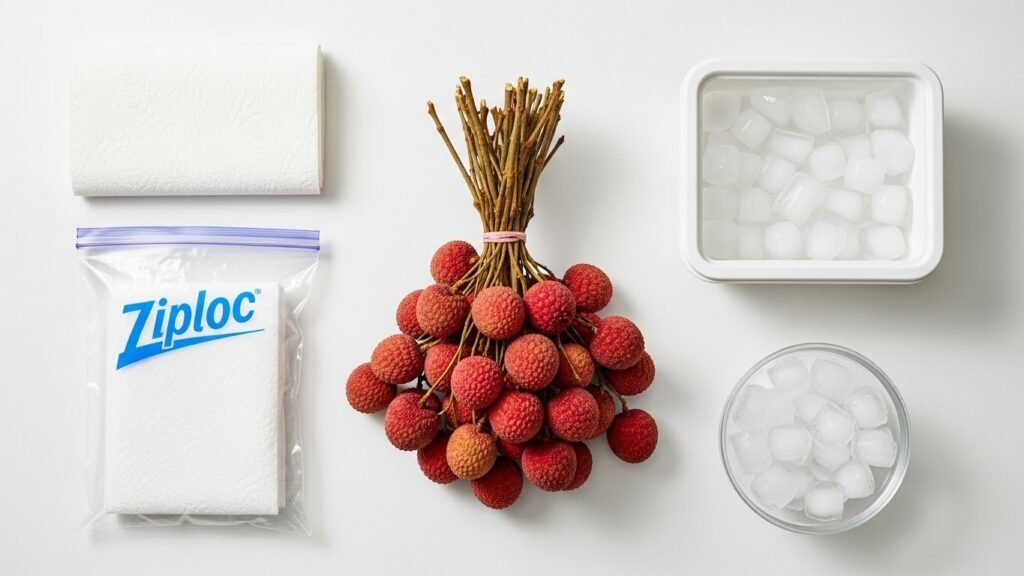
Immediate Arrival Checklist
- Unpack instantly: Remove all lychees from shipping boxes and mailers.
- Inspect the shells: Look for cracks or leaks; set those aside to eat first.
- Cold rinse: Give them a 30-second bath in cool water to remove sticky residue.
- Complete dry: Let them sit on a wire rack for 20 minutes until the skin feels dry but not brittle.
Storage Methods and Shelf Life
- Countertop storage: Only keep them here for 1 to 2 days. Ensure they are in a cool, shaded area away from direct sunlight.
- Refrigerator (Best for Freshness): Place in a sealed container with a paper towel. These will stay juicy for 1 to 2 weeks.
- Freezer (Whole Fruit): Place whole lychees in a freezer bag. These are great for 6 to 12 months and taste like sorbet.
- Peeled and Seeded Freezer Storage: Best for smoothies. Flash-freeze on a tray first, then bag them. Lasts up to 1 year.
- Dried Lychee (Lychee Nuts): Store in an airtight jar in a dark pantry. These remain shelf-stable for 1 year.
Pro-Tips for Maximum Flavor
- The Paper Towel Trick: Always change the paper towel in your fridge container every 2 days to prevent moisture buildup and mold.
- Stem Retention: Leave about a quarter-inch of the stem attached to the fruit to prevent the skin from tearing and exposing the pulp to air.
- Temperature Zone: Store lychees in the crisper drawer set to “High Humidity.” Avoid the very back of the fridge where fruit can partially freeze.
Signs of Spoilage (When to Toss)
- Visual: If you see white or green fuzz (mold) or if the skin has turned completely black and slimy.
- Smell: If the fruit emits a strong fermented, alcohol, or vinegar-like odor.
- Touch: If the fruit feels hollow or extremely mushy and collapses under light pressure.
- Pulp Appearance: If the internal fruit is no longer translucent white but has turned grey or brown.
Summary Checklist for Maximum Shelf Life
To wrap it all up here is a quick list to follow. If you do these things your lychees will stay delicious.
- Check daily: Open your container every day to make sure no mold is starting.
- Rotate the fruit: Move the ones on the bottom to the top so they do not get crushed.
- Smell test: If it smells like vinegar toss it out immediately.
- Visual check: Look for grey or slimy pulp which means it is totally spoiled.
- Enjoy them fast: The best way to store a lychee is in your belly.
| Storage Method | Expected Shelf Life | Best For |
| Room Temperature | 1 – 2 Days | Immediate snacking |
| Refrigerator (Sealed) | 1 – 2 Weeks | Daily use and fresh taste |
| Freezer (Whole) | 6 – 12 Months | Long-term snacks |
| Dried | 1 Year | Pantry storage |
Frequently Asked Questions
What happens if I eat the seed of a lychee?
The seeds of a lychee are not meant to be eaten. They contain certain compounds that can be toxic if consumed in large quantities, especially for children. Always discard the seed and only enjoy the white, fleshy pulp.
Can I store lychee in the same drawer as apples or bananas?
It is better to keep them separate. Apples and bananas release ethylene gas, which can accelerate the aging process of other fruits. Since lychee is already very delicate, extra ethylene exposure can cause the skin to degrade even faster.
Is it possible to dry lychees in a conventional oven?
Yes, you can use an oven on the lowest possible setting, usually around 120 to 140 degrees Fahrenheit. It takes many hours and requires the door to be propped open slightly to allow moisture to escape, but it is a viable alternative if you do not have a dehydrator.
Can I store peeled lychees in water like some people do with potatoes?
Storing peeled lychees in water is not recommended. The water will leach out the natural sugars and the floral aromatics, leaving the fruit tasting bland and watery. If you must peel them ahead of time, store them in their own juices or a light syrup.
Do lychees lose their vitamin C content during storage?
Like most fruits, lychees begin to lose some of their vitamin C once they are harvested and exposed to heat and light. Refrigeration helps slow this loss, but eating them as fresh as possible ensures you get the maximum nutritional benefit.
Can I vacuum seal lychees while they are still in their shells?
Vacuum sealing whole lychees is not ideal because the pressure can crack the shells and bruise the fruit. It is much better to vacuum seal the fruit after it has been peeled and flash-frozen on a tray.
What is the best way to transport lychees on a long car ride?
If you are traveling with lychees, keep them in a cooler with ice packs. Wrap the lychee container in a towel so it does not touch the ice directly, which prevents chill injury, but keeps the ambient temperature low enough to stop fermentation.
Does the thickness of the skin affect how long they last?
Generally, yes. Varieties with thicker, bumpier skins tend to hold moisture slightly better than those with very thin, smooth skins. However, regardless of the variety, the storage steps remain the same.
Why do some lychees turn black instead of brown?
Turning black is usually a sign of extreme temperature distress or advanced fungal decay. If the skin is black and the fruit feels very soft, it is likely past the point of being safe to eat.
Can I make lychee leather like fruit roll-ups for storage?
Absolutely. Puree the peeled and seeded fruit, spread it thin on a dehydrator sheet, and dry it until it is no longer tacky. This is a space-efficient way to store the flavor of lychee for several months.
Is it safe to store lychees in a basement or cellar?
Unless your basement is consistently as cold as a refrigerator (below 40 degrees Fahrenheit), it is likely too warm. Basements are often humid, which is good, but without the cold temperature, mold will grow very quickly.
Can I use the leaves of the lychee tree in my storage container?
There is no proven benefit to keeping the leaves with the fruit. In fact, leaves can carry extra moisture or pests that might accelerate the spoilage of the fruit. It is better to store the fruit clean and alone.
How do I know if my frozen lychees have freezer burn?
Freezer burn will look like white, icy patches on the surface of the fruit, and the texture will become tough or “woody” once thawed. Using airtight bags and removing all air helps prevent this.
Why does my lychee taste like soap after being in the fridge?
If lychees are stored uncovered, they can absorb the odors of other foods in your fridge, such as onions or garlic, which can create a “soapy” or off-flavor. Always keep them in a sealed container.
Can I store lychees in honey for preservation?
Yes, this is an old preservation technique. Peeling the fruit and submerging it in a jar of honey can preserve the fruit and create a delicious lychee-infused honey. Keep this jar in the refrigerator for safety.
What should I do if I find a tiny worm in my fruit?
Because lychees are grown in tropical climates, occasional pests like the lychee fruit borer can happen. If you see a small hole in the skin or a worm near the seed, discard that specific fruit. The rest of the bunch is usually fine if the skins are intact.
Does the color of the skin change the sweetness?
Since lychees do not ripen after being picked, the color you see is the color they stay (until they brown). A bright red lychee was likely picked at its peak sweetness, while a green-tinged one might be slightly more tart.
Can I freeze lychee juice in ice cube trays?
This is an excellent storage method. Press the juice from excess fruit and freeze it into cubes. You can drop these into tea, water, or cocktails for a burst of flavor.
How do I store lychees if I live in a very dry climate?
In dry climates, the skin will brown almost instantly. You must be extra diligent about using a sealed container and a slightly damp (not soaking) paper towel inside the bag to maintain humidity.
Is it better to store them in a single layer or can they be stacked?
For short-term fridge storage, stacking is fine. However, for long-term storage or when drying, a single layer is much better to prevent the weight of the top fruit from bruising the ones on the bottom.