Skip to content
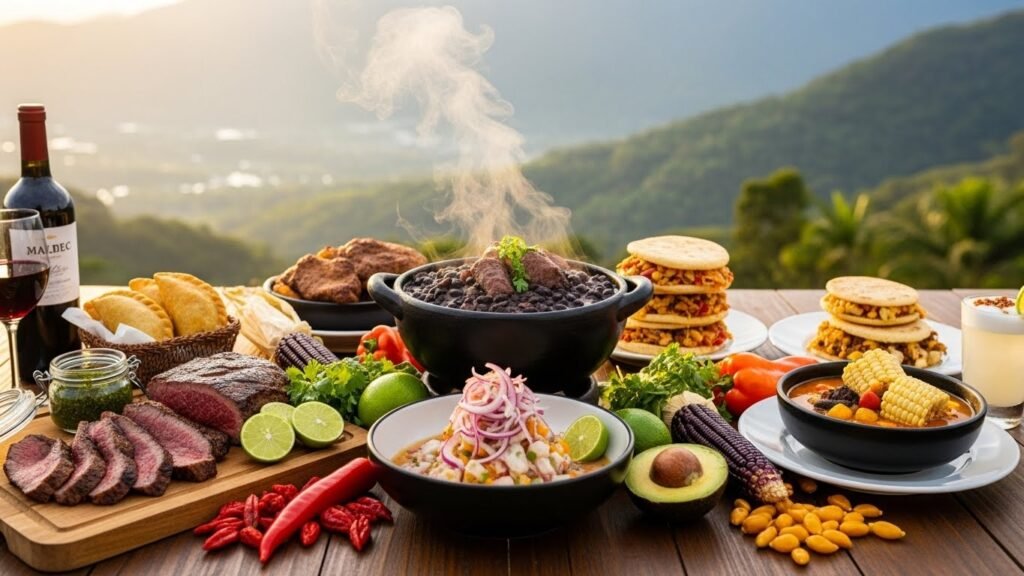
South American food is like a giant party for your mouth. It mixes old local ways with flavors from Europe and Africa. This mix makes some of the best meals you will ever find. You can find anything from fancy steak to simple snacks on the street. Every bite tells a cool story about the history of the land.
Introduction to South American Gastronomy
This food is a real cultural melting pot that everyone should try. It blends indigenous roots with Spanish and Portuguese colonial influence over many years. African heritage also brought amazing spices and cooking styles to the coast. You get to taste history in every single local dish.
A Cultural Melting Pot
The food here is not just about eating to get full. It is about how different groups of people came together.
- Indigenous roots started everything with corn and potatoes.
- Spanish influence brought new meats and baking styles.
- Portuguese influence changed how people in Brazil cook their stews.
- African heritage added palm oil and deep-fried treats to the menu.
Global Fusion
In the 1800s, people from China and Japan moved to the coast. They brought soy sauce and stir-fry tricks with them. This global fusion created new tastes that people still love today. You can see this clearly in places like Peru and Brazil.
Food as a Social Ritual
Eating a meal is a big social ritual in these countries. People do not like to eat alone or in a hurry. They gather with family and friends for hours to talk. It is a way to show love and keep traditions alive.
The Native Pantry
The local land provides a very special native pantry for cooks. Many items we eat now started right here in South America.
- Corn is used for bread, drinks, and even desserts.
- Potatoes come in hundreds of colors and shapes here.
- Cassava is a root that makes great flour and snacks.
- Chili peppers add the perfect kick to every savory meal.
Argentina and Uruguay: The Land of Fire and Beef
If you love meat, you have to visit Argentina and Uruguay. These countries are famous for having the best beef in the world. They use fire and smoke to make meat taste like magic. It is a simple way of cooking that requires a lot of skill.
Asado and the Art of the Parrilla

The Asado is the king of barbecues in the south. It is more than just cooking; it is a cultural ritual. Families meet every Sunday to watch the meat cook slowly. The person cooking is called the asador and is very respected.
- Parrilla is the name of the iron grill they use.
- Slow-grilling helps keep the meat very juicy and tender.
- Wood embers give the food a smoky taste you cannot beat.
- Red wine like Malbec is the best thing to drink with it.
Argentine and Uruguayan Empanadas
Empanadas are stuffed pastries that make the best snacks. They look like little half-moons and are easy to carry. You can find them at parties or on street corners.
- Argentine ground beef is the most popular filling to use.
- Baked or fried styles both taste great depending on the city.
- Savory spices like cumin and paprika give them a rich flavor.
Milanesa: The Italian Legacy
Italian immigrants brought the Milanesa to South America long ago. It is a breaded cutlet that kids and adults both love. It is total comfort food that you can find everywhere.
- Breaded cutlets are usually made from thin beef or chicken.
- Milanesa a la Napolitana adds ham, cheese, and tomato sauce on top.
- Milanesa Day is a real holiday celebrated on May 3rd.
Chivito: Uruguay’s National Sandwich
The Chivito is the ultimate sandwich for a hungry traveler. It is the national dish of Uruguay and it is huge. It has so many layers that it is hard to bite.
- Thinly sliced steak is the star of this big meal.
- Toppings include bacon, eggs, cheese, lettuce, and mayo.
- Hearty meals like this are perfect after a long day of walking.
Choripán
The Choripán is the most famous street food in Argentina. The name comes from chorizo and pan, which means bread. It is the best thing to eat at a soccer game.
- Chorizo is a grilled pork sausage with a lot of spice.
- Chimichurri is a green sauce made with herbs and vinegar.
- Crusty bread soaks up all the juice from the hot meat.
Brazil: Bold Flavors and Coastal Stews
Brazil has a very big and bold food scene. It mixes Portuguese ways with African and local styles. The food is often very colorful and full of energy. You will find a lot of tropical fruits and seafood here.
Feijoada: The Soul of Brazil
Feijoada is the national dish and the soul of Brazil. It is a black bean stew that takes a long time to make. Most people eat it on Saturdays with a big group.
- Black beans are cooked until they are soft and creamy.
- Pork and beef cuts are added to give the stew deep flavor.
- Farofa is toasted cassava flour that you sprinkle on top.
- Orange slices help you digest all that heavy meat.
Moqueca: Coastal Seafood Tradition

Moqueca is a seafood stew that comes from the coast. It looks like a bright orange soup and smells amazing. It shows off the fresh fish found in Brazilian waters.
- Coconut milk makes the broth very smooth and a bit sweet.
- Palm oil gives it a unique taste and a pretty color.
- Clay pots are used to cook it so it stays hot for a long time.
Pão de Queijo
Pão de Queijo are small cheese rolls that are very addictive. You can eat them for breakfast or as a snack. They are chewy on the inside and crunchy outside.
- Cassava flour is used instead of wheat, so they are gluten-free.
- Savory cheese melts right into the dough as they bake.
Coxinhas
Coxinhas are a favorite snack found at every Brazilian party. They are shaped like a teardrop to look like a chicken leg.
- Shredded chicken and cream cheese fill the inside.
- Deep-fried dough makes the outside very crispy and golden.
- Street food vendors sell them hot all day long.
Peru: The Gastronomy Capital of the World
Many people think Peru has the best south american food. The country has mountains, jungles, and a long coast. This means they have a huge variety of ingredients to use. Their chefs are famous for being very creative.
Ceviche: The National Treasure

Ceviche is the national treasure of Peru and a must-try. It is fresh and zingy, perfect for a hot day. It is one of the most famous dishes in the world.
- Raw fish is the main part of this healthy dish.
- Lime juice is a citric marinade that “cooks” the fish.
- Leche de tigre is the spicy, citrusy liquid left in the bowl.
- Sweet potato and corn help balance the spicy heat.
Lomo Saltado and Chifa Culture
Lomo Saltado is a perfect example of Chifa culture. Chifa is a mix of Chinese and Peruvian cooking styles. It is a very popular lunch dish for locals.
- Stir-fry beef is cooked fast with onions and tomatoes.
- Soy sauce gives it a salty and savory kick.
- French fries and rice are both served on the same plate.
Causa Rellena
Causa Rellena is a cold potato dish that looks like a cake. It is very colorful and can be very fancy.
- Yellow potatoes are mashed with lime and yellow chili.
- Aji amarillo is the pepper that gives it a bright color.
- Fillings usually include tuna, chicken, and fresh avocado.
Anticuchos
Anticuchos are meat skewers that smell great on the grill. They have been a local favorite since the time of the Incas.
- Beef heart is the traditional meat used for these skewers.
- Spiced marinade makes the meat very tender and flavorful.
- Ají sauce is served on the side for people who like heat.
Chile and the Andean Highlands
The Andes mountains run through several countries in the south. This high land has its own special way of cooking. The food is usually very warm and filling to handle the cold.
Pastel de Choclo
Pastel de Choclo is a comfort food dish from Chile. It is like a corn-based shepherd’s pie. It has a unique mix of sweet and savory tastes.
- Corn dough makes a thick and sweet crust on top.
- Ground beef and onions form the base of the casserole.
- Earthenware pots are often used for baking this dish.
Curanto
Curanto is an ancient way of cooking from the south of Chile. It is a huge feast that brings a whole town together. It uses the earth as an oven.
- Underground cooking happens in a deep hole with hot stones.
- Seafood and meat are layered together for a rich taste.
- Large leaves cover the food to keep the steam inside.
Humitas
Humitas are one of the oldest dishes in the Andean region. They were eaten by the Moche culture and the Incas. They are a simple and healthy snack.
- Corn dough is mixed with lard and onions.
- Corn husks are used to wrap the dough before steaming.
- Savory or sweet versions exist depending on the country.
Colombia and Venezuela: The Heart of the North
The northern part of the continent loves corn and tropical fruits. Their food is often bright and very satisfying. They share many dishes but each adds a local twist.
Arepas: The Daily Bread

Arepas are the daily bread for millions of people. They are round cakes made from cornmeal flour. You can eat them at any time of the day.
- Unleavened bread means they do not use yeast to rise.
- Colombian style arepas are often thin with just cheese.
- Venezuelan style arepas are thick and stuffed with meat.
Bandeja Paisa (Colombia)
Bandeja Paisa is a massive meal for someone very hungry. It comes on a huge tray because it has so many parts.
- Beans and rice are the foundation of this big plate.
- Fried pork belly called chicharrón adds a crunchy texture.
- Fried egg and avocado sit right on top of everything.
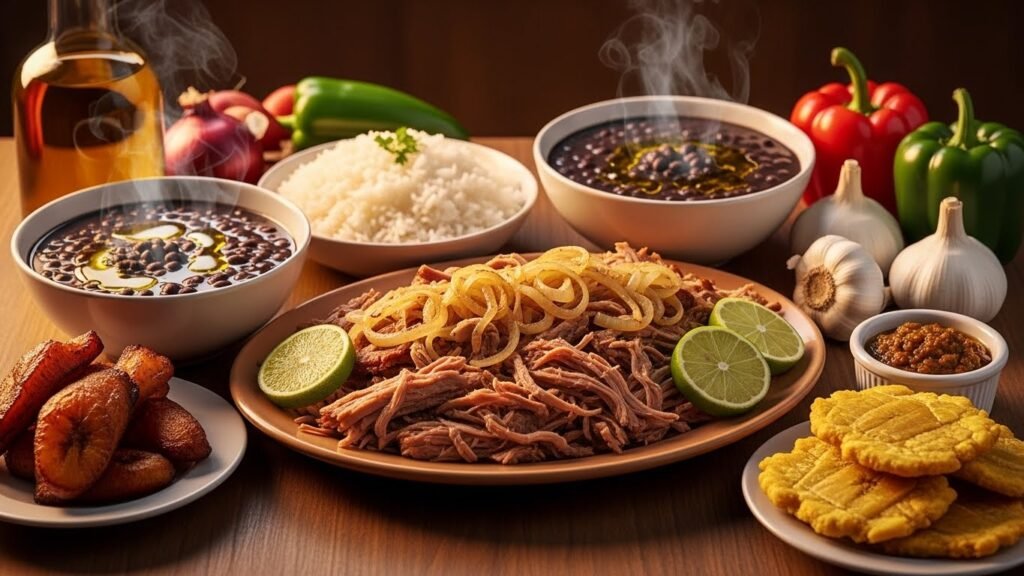
Pabellón Criollo (Venezuela)
Pabellón Criollo is the national dish of Venezuela. It uses colors to represent the different people of the country.
- Shredded beef is cooked with peppers and onions.
- Black beans and white rice provide a classic base.
- Fried plantains add a sweet touch to the savory meat.
Ajiaco
Ajiaco is a famous chicken soup from the city of Bogotá. It is thick and creamy and very warm.
- Three types of potatoes are used to make the base thick.
- Guasca is a local herb that gives it a special scent.
- Capers and cream are added at the end for extra flavor.
Ecuador and Paraguay
Ecuador and Paraguay have food that is deeply tied to the land. They use local ingredients in very clever ways. These dishes are true symbols of their national pride.
Bolon de Verde (Ecuador)
Bolon de Verde is a favorite breakfast in Ecuador. It is basically a big ball of energy to start your day.
- Green plantains are mashed while they are still hot.
- Pork or cheese is hidden inside the mashed ball.
- Deep-fried until the outside is very crunchy.
Sopa Paraguaya (Paraguay)
Sopa Paraguaya is a very famous dish from Paraguay. It has a funny name because it is not actually a soup.
- Cheesy cornbread is what this dish really is.
- Onions and eggs make the bread very moist and rich.
- History says a cook once made a soup too thick by mistake.
Regional Essentials and Sweet Endings
No journey through south american food is complete without dessert. The region has a very big sweet tooth. They also have some basic items that appear in almost every meal.
Dulce de Leche: The Continental Sweet

Dulce de leche is a sweet caramel that everyone loves. It is made by cooking milk and sugar for a long time.
- Alfajores are cookie sandwiches filled with this caramel.
- Desserts like flan and cakes always use it as a topping.
- Breakfast bread tastes better with a little spread of it.
Plantains: The Universal Starch
Plantains look like bananas but you have to cook them first. They are a main source of starch in the north.
- Patacones are green plantains fried twice until they are flat.
- Tostones is another name for these salty, crunchy snacks.
- Platanos fritos can be sweet if you use very ripe ones.
The Role of Ají
Ají is the name for chili peppers and the sauces made from them. Every country has its own version of this spicy sauce.
- Ají amarillo is a yellow pepper used mostly in Peru.
- Local flavors are enhanced by adding a little spice to the plate.
- Condiments like this are on every table at dinner time.
Conclusion: Why South American Food Matters
South American food is a living history that you can taste. It shows how people from all over the world moved and adapted. Today, food tourism is a huge reason why people visit these countries. You get to see the world through a plate of delicious food.
| Dish Name | Country of Origin | Primary Ingredients | Flavor Profile |
| Asado | Argentina & Uruguay | Various cuts of beef, pork, and sausages | Smoky, savory, and rich with natural meat juices. |
| Empanadas | Argentina & Uruguay | Wheat flour dough, ground beef, onions, paprika | Savory, buttery, and slightly spiced. |
| Milanesa | Argentina | Breaded beef or chicken, garlic, parsley | Crunchy on the outside, tender and mild on the inside. |
| Chivito | Uruguay | Steak, ham, bacon, mozzarella, egg | Salty, hearty, and heavy with layers of protein. |
| Choripán | Argentina & Uruguay | Pork sausage, crusty bread, chimichurri sauce | Zesty, garlicky, and smoky with a vinegar kick. |
| Feijoada | Brazil | Black beans, pork trimmings, beef, chorizo | Earthy, salty, and very deep in savory flavor. |
| Moqueca | Brazil | White fish, coconut milk, palm oil, cilantro | Creamy, tropical, and aromatic with a hint of sweetness. |
| Pão de Queijo | Brazil | Cassava flour, eggs, salty cheese | Chewy, cheesy, and light with a fermented tang. |
| Coxinhas | Brazil | Shredded chicken, cream cheese, deep-fried dough | Salty, creamy, and satisfyingly crunchy. |
| Ceviche | Peru | Raw fish, lime juice, chili, red onions | Bright, acidic, spicy, and extremely fresh. |
| Lomo Saltado | Peru | Beef strips, soy sauce, tomatoes, onions | Savory, salty, and smoky (umami) with a stir-fry char. |
| Causa Rellena | Peru | Yellow potatoes, lime, yellow chili, tuna/chicken | Tangy, smooth, and slightly spicy but refreshing. |
| Anticuchos | Peru & Bolivia | Beef heart, vinegar, cumin, ají panca chili | Bold, tangy, and deeply marinated with a char-grilled finish. |
| Pastel de Choclo | Chile | Sweet corn, ground beef, raisins, olives | A unique blend of sweet corn and salty, savory meat. |
| Curanto | Chile | Shellfish, meat, potatoes, milcao (potato pancakes) | Earthy and smoky with a strong ocean-fresh brine. |
| Humitas | Andean Region | Fresh ground corn, onions, lard/butter | Mild, sweet, and buttery with a delicate corn scent. |
| Arepas | Colombia & Venezuela | Pre-cooked cornmeal, water, salt | Neutral and corn-forward; tastes like the filling inside. |
| Bandeja Paisa | Colombia | Beans, rice, pork belly, chorizo, avocado | A massive mix of salty, fatty, and creamy textures. |
| Pabellón Criollo | Venezuela | Shredded beef, black beans, rice, fried plantains | A balance of savory meat, earthy beans, and sugary fruit. |
| Ajiaco | Colombia | Chicken, three types of potatoes, guasca herb | Thick, herbal, and comforting with a creamy finish. |
| Bolon de Verde | Ecuador | Green plantains, cheese or pork cracklings | Starchy, salty, and very filling. |
| Sopa Paraguaya | Paraguay | Cornmeal, eggs, milk, onions, thick cheese | Rich, dense, and very cheesy with a moist crumb. |
| Dulce de Leche | Across Continent | Milk, sugar, vanilla | Intense, milky, and deeply caramelized sweetness. |
| Patacones | Caribbean Coast | Green plantains, salt, oil | Starchy, salty, and very crunchy. |
Frequently Asked Questions About South American Food
What is the typical breakfast like in South America?
Breakfast varies by region but is generally lighter than lunch. In many countries, it consists of fresh bread or rolls served with butter, jam, or dulce de leche, accompanied by coffee or tea. In tropical areas, fresh exotic fruits and juices are common, while Andean regions might serve heavier soups or corn-based dishes like arepas or bolones to provide energy for the day.
Is it safe to eat street food in South American countries?
Street food is a major part of the culinary culture and is generally safe if you follow common sense. Look for stalls that are busy with locals, as high turnover usually means the food is fresh. Ensure that the food is cooked thoroughly in front of you and served hot to minimize any health risks.
What are the most popular drinks to pair with south american food?
Regional drinks are just as diverse as the meals themselves. Popular choices include Malbec wine from Argentina, Pisco Sour from Peru or Chile, and Caipirinhas from Brazil. For non-alcoholic options, people love Chicha Morada (purple corn drink), Yerba Mate tea, and various fresh fruit smoothies made with water or milk.
Are there many vegetarian or vegan options available?
While the region is famous for its meat, plant-based options are growing, especially in big cities. Traditional staples like beans, rice, lentils, quinoa, and various tubers naturally provide many vegetarian choices. You can often find vegetarian versions of empanadas or arepas filled with cheese, beans, or vegetables.
What is the etiquette for tipping at restaurants?
Tipping customs vary slightly but generally follow a ten percent rule. In many countries, a service charge called a cubierto or propina is already included in the bill. If it is not included, leaving around ten percent for the server is considered polite and is the standard practice in most sit-down establishments.
Why is lunch the most important meal of the day?
In many South American cultures, lunch is a large, multi-course meal eaten during a long break in the middle of the day. This tradition stems from agricultural roots where workers needed a heavy meal to sustain them through the afternoon. It is also a key time for families to gather and connect before returning to work or school.
What makes Peruvian coffee so special?
Peru is one of the world’s leading producers of organic coffee, grown at high altitudes in the Andes. The unique climate and soil conditions produce beans with a bright acidity and sweet, floral notes. Much of the coffee is grown on small family farms that use traditional harvesting methods.
How do people use quinoa in traditional cooking?
Quinoa has been a staple in the Andean diet for thousands of years, long before it became a global superfood. It is commonly used in hearty soups, stews, and salads. Some regions also grind it into flour for baking or toast the grains to create a crunchy topping for various dishes.
What is the difference between Mexican food and south american food?
People often confuse the two, but they are very different in flavor and ingredients. Mexican food relies heavily on specific chilies and spices like cumin and cilantro, whereas South American cuisine often focuses more on the natural flavors of the ingredients with milder sauces. The use of corn is common to both, but the preparation styles differ greatly.
What are some unique fruits I should try in South America?
The Amazon and tropical regions offer fruits you might not find elsewhere. Look for Lucuma, which has a maple-like flavor, or Cherimoya, often called the custard apple. Other must-tries include Lulo, Maracuya (passion fruit), and Acai berries, which are famous for their health benefits and refreshing taste.
How is chocolate used in the local diet?
The region is the birthplace of cacao, and high-quality chocolate is everywhere. While it is mostly enjoyed as a sweet treat or a hot drink, some traditional recipes use it in savory ways. Many countries take pride in their bean-to-bar chocolate production, offering some of the purest dark chocolate in the world.
What is the significance of the Guinea Pig (Cuy) in Peru?
In the highlands of Peru and Ecuador, Cuy is a traditional delicacy served on special occasions. It was historically a primary source of protein for people living in the Andes. Today, it is usually roasted or fried whole and is considered a high-protein, low-fat luxury meal.
Do people eat a lot of spicy food?
Contrary to popular belief, not all south american food is spicy. While countries like Peru and Bolivia use spicy peppers in their sauces, countries like Argentina and Uruguay rarely use heat in their cooking. Most heat comes from side sauces like ají, allowing the diner to control the level of spice themselves.
What is Yerba Mate and how do you drink it?
Yerba Mate is a caffeine-rich herbal tea popular in Argentina, Uruguay, and Southern Brazil. It is traditionally sipped through a metal straw called a bombilla from a hollowed-out gourd. It is a highly social drink, often shared among a group of friends who pass the gourd around.
What are the traditional holiday foods?
During Christmas and Easter, special dishes appear on the table. Many countries serve Panetón (sweet bread) or Hallacas (corn tamales with meat). In the Andean region, Fanesca is a thick soup made with twelve different grains and salt cod that is exclusively eaten during Holy Week.
How has Italian immigration affected the food?
Massive waves of Italian immigrants in the early 20th century, particularly in Argentina and Uruguay, brought pasta, pizza, and gelato. Today, you will find as many pasta shops as steakhouses in Buenos Aires. Local versions like Tallarines and Fugazza pizza have become national staples.
What is the “Almuerzo Corriente” or “Menu del Dia”?
This is a fixed-price lunch special found in small restaurants across the continent. It usually includes a starter soup, a main plate with rice, beans, and meat, a fresh juice, and sometimes a small dessert. It is the most affordable and authentic way to eat like a local every day.
What is the role of seafood in landlocked countries like Bolivia?
Even in landlocked areas, fish is important. In Bolivia and parts of Peru, Lake Titicaca provides a steady supply of Trout (Trucha). In other areas, dried and salted fish are used to ensure the protein lasts during transport from the distant coasts.
Are there many fermented foods in the region?
Yes, fermentation is an old tradition. Chicha is a fermented corn beer that has been around since the Incas. In Brazil, cassava is often fermented to make specific types of flour or snacks, and many indigenous groups have their own versions of fermented fruit or root drinks.
What should I know about dining times?
Dinner is typically eaten much later than in North America or Europe. In many cities, restaurants do not even open for dinner until 8:00 PM, and it is common for locals to start their meal at 9:00 PM or 10:00 PM, especially on the weekends.