Skip to content
Welcome to the world of the most amazing beans you have never heard of before. Let me tell you about the Mayocoba bean. Many people call it the king of beans in Mexican cooking. This bean is a total game changer for your kitchen. It is way better than your basic pinto bean.
This mayocoba beans recipe will show you why they are special. They have a buttery flavor that is super smooth. The texture is so creamy it feels like velvet. You will love how they melt in your mouth. They are a staple in most Mexican homes for a reason.
People all over the world are finally finding out about them. They are great for healthy plant-based meals. You can use them in so many different ways. They work for breakfast, lunch, or a fancy dinner. Let us dive into everything you need to know about these yellow gems.
Understanding the Nomenclature and Origin
You might see these beans under many different names at the store. In Mexico, they often go by the name Peruano beans. Some people call them Canary or Canario beans because of their color. You might also find them labeled as Mexican yellow beans. They are all the same delicious legume.
These beans actually have roots in Peru and Mexico. They are very important in Peruvian cuisine too. Many people in the Jalisco region of Mexico love them. They have been a part of family traditions for a long time. These are true heirloom beans with a lot of history.
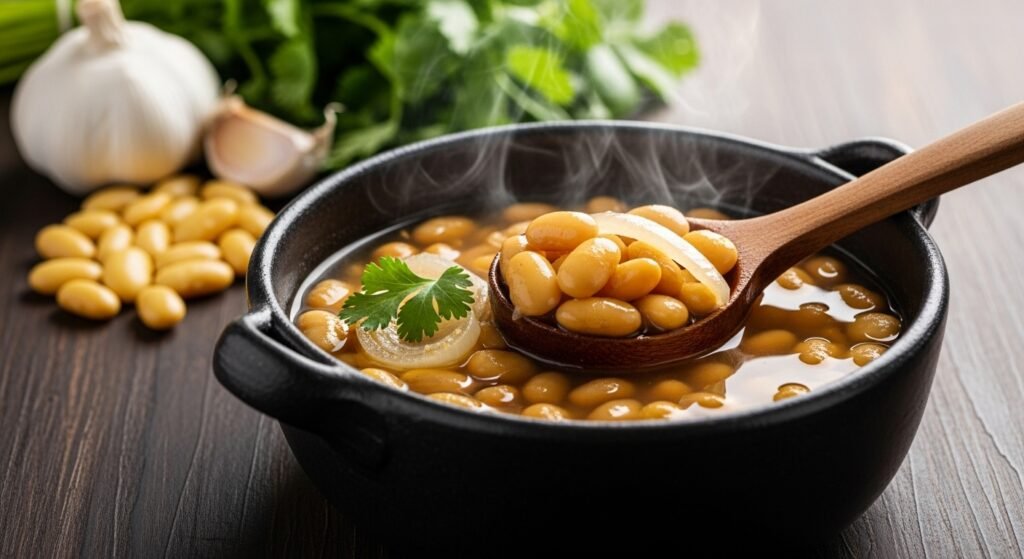
You can spot them easily by their look. They have a pretty pale yellow hue. The shape is a medium oval that looks very neat. They have a very thin skin compared to other beans. This thin skin helps them cook up fast and stay tender.
Nutritional Profile and Health Benefits
Eating these beans is a great way to stay healthy. They are packed with plant-based protein for your muscles. One serving gives you a lot of energy. They are also full of dietary fiber which is great for your gut. Fiber helps you feel full for a longer time.
These beans are a gold mine for minerals. You get a good dose of iron and magnesium in every bite. They also have plenty of potassium for your heart. The best part is that they are totally cholesterol-free. They are a low-fat food that fits any diet.
They have a low glycemic index which is super cool. This means they give you steady energy without a sugar crash. They are very easily digestible because of their thin skins. You will not feel bloated after eating them. They are much gentler on your stomach than bigger beans.
Culinary Profile: Flavor and Texture
The texture of these beans is their best feature. People call it buttery excellence for a reason. They are much creamier than a pinto or black bean. When you bite into one, it feels very soft and rich. It is like eating a little cloud of savory goodness.
The flavor is very delicate and mild. You will notice a light nutty taste in the background. They are not as earthy as black beans. They do not have the heavy flavor of pinto beans. This makes them perfect for soaking up all your spices.
- Pinto Beans: These are more robust and have a thicker skin.
- Black Beans: These are earthier and hold their shape firmly.
- Mayocoba Beans: These are the mildest and creamiest of the bunch.
Essential Ingredients for the Perfect Pot of Beans

To make the best mayocoba beans recipe, you need good stuff. Start with high-quality dried Mayocoba beans. Fresh dried beans cook much better than old ones. Make sure they look fresh and not too dusty.
Aromatics are the secret to deep flavor. Simple veggies make the broth taste amazing. Do not skip them if you want authentic flavor. You need a good fat to make them rich.
- Mayocoba Beans: 1 to 2 pounds of dried beans (roughly 2 to 4 cups).
- Water: 2 to 3 quarts for every pound of beans to keep them covered.
- Aromatics: 1 small white or yellow onion, roughly chopped or halved.
- Garlic: 1 to 2 large garlic cloves, peeled and left whole or smashed.
- Cooking Fat: 2 to 3 tablespoons of bacon drippings, lard, or vegetable oil.
- Salt: 1 to 2 teaspoons of sea salt, added only after the beans are soft.
- Herbs (Optional): 1 pinch of Mexican oregano or 1 dried bay leaf.
Preparation and Cleaning Process
Before you cook, you have to sort the beans. Spread them out on a flat surface. Look for small rocks or bits of dirt. Sometimes you will find shriveled or broken beans. Throw those away because they will not cook right.
Next, you need to rinse them well. Put the beans in a colander and use cold running water. Rub them together with your hands to get the dust off. If any beans float to the top, toss them out. Floaters are usually dry or hollow inside.
Now you have to decide on soaking.
- Frijoles de Olla: This is the traditional way with no soaking. It takes longer but makes a richer broth.
- Overnight Soak: This helps the beans cook faster the next day. It can also help with digestion.
- Quick Soak: Boil them for a minute and let them sit for an hour. This is a great middle-ground option.
Traditional Stovetop Simmering Method (Dutch Oven/Cast Iron)

This is the classic way to make a mayocoba beans recipe. Put your cleaned beans in a large Dutch oven or cast iron pot. Add your water, onion, garlic, and fat. Turn the heat up to high and bring it to a boil. Let it bubble for a few minutes.
Once it boils, turn the heat down to a low simmer. Put a lid on the pot but leave it slightly open. This lets a little steam out so it does not overflow. The beans need to dance gently in the water. Do not let them boil hard or they will break.
Keep an eye on the water level. The beans must always stay submerged. If the water gets too low, add more hot water. Cold water can slow down the cooking. This process usually takes between 2 to 4 hours. It depends on how fresh your beans are.
Modern Speed: The Pressure Cooker (Instant Pot) Method
If you are in a rush, use a pressure cooker. It is the fastest way to get buttery beans. You can finish them in about 40 to 60 minutes. You do not even have to soak them first. It is a huge time saver for busy nights.
Put the beans, water, and aromatics in the pot. Make sure you do not fill it past the max line. Beans foam up when they cook under pressure. Set the timer and let the machine do the work. Use a natural release for the best texture.
The age of the bean really matters here.
- Fresh Beans: These might be done in just 35 minutes.
- Older Beans: These can take up to an hour or more.
- Crunchy Results: If they are still hard, cook them for 10 more minutes.
Always be careful with the steam release. Follow the safety rules for your specific model. Never try to force the lid open. Let the pressure drop on its own for the creamiest results. This helps the beans stay whole and pretty.
Alternative Method: Slow Cooker (Crock-Pot) Instructions
The slow cooker is perfect for a set and forget meal. Put everything in the pot before you go to work. Set it to low heat for about 8 hours. The low and slow heat makes a very velvety broth. It is hard to mess this up.
You do not need as much water in a slow cooker. The lid seals tight so you lose less to steam. Make sure the beans are covered by at least an inch of water. By the time you get home, your house will smell amazing. The beans will be perfectly tender.
The Art of Testing for Doneness

You have to know when the beans are ready. They should not be grainy or hard anymore. They should feel smooth and creamy inside. Start checking them around the 90-minute mark if you use the stove. For pressure cooking, check after the timer goes off.
The mash test is a great way to check. Take a single bean out with a spoon. Press it against the side of the pot or a plate. It should smash easily with almost no pressure. If it resists, it needs more time in the heat.
Proper Seasoning: The Salt Rule
This is the most important rule for any mayocoba beans recipe. Never add salt at the very beginning. Salt can make the skins of the beans stay tough. Wait until the beans are already soft before you season them. This ensures the texture stays perfect.
Once the beans are tender, add about 1 to 2 teaspoons of salt. Let them simmer for another 15 to 20 minutes. This gives the salt time to soak into the middle of the bean. It also seasons the broth beautifully.
- Taste Test: Beans love salt, so you might need more than you think.
- Adjusting: Add salt in small amounts so you do not overdo it.
- Final Touch: A total of 2 to 3 teaspoons is usually right for a whole batch.
Advanced Flavor Infusions
If you want to get fancy, add some extra heat. Drop a whole serrano or jalapeño pepper into the pot. You can also use a chipotle pepper for a smoky taste. These add a nice kick without being too spicy. Just fish them out before you serve.
For a deeper flavor, try adding meat. A ham hock or some smoked paprika adds great depth. You can also use chicken stock instead of water. This makes the broth taste like a rich soup. It is a great way to use up what you have.
A little bit of acid at the end is great. A squeeze of fresh lime juice brightens everything up. It balances out the rich fat and the creamy beans. You can also add a splash of vinegar if you like. It makes the flavors pop.
Versatile Culinary Applications

Frijoles de Olla is the simplest way to serve them. This just means beans in a pot with their broth. Put them in a bowl with some fresh salsa and tortillas. It is a healthy and filling meal all on its own.
You can also make the best refried beans ever.
- Heat: Put the cooked beans in a skillet with a little oil.
- Mash: Use a potato masher to smoosh them down.
- Broth: Add some of the cooking liquid to keep them moist.
- Thicken: Cook them for a few minutes until they reach your favorite texture.
These beans are great for modern dishes too. Use them to make a creamy hummus or a bean dip. They are the perfect filling for burritos or tacos. Put them inside quesadillas or on top of tostadas and sopes. They go great with grilled meats like carne asada.

Do not forget the toppings when you serve.
- Cheese: Crumbled Cotija cheese is the classic choice.
- Herbs: Fresh cilantro adds a burst of green flavor.
- Crunch: Sliced radishes add a nice texture contrast.
- Cream: A dollop of Mexican crema makes it even richer.
Storage and Preservation

If you have leftovers, they keep well in the fridge. Put them in a sealed container for 2 to 3 days. The broth will thicken up as it gets cold. Just add a little water when you heat them back up. They often taste even better the next day.
Freezing is the best way to save them for later.
- Portions: Freeze them in 1-cup servings for easy meals.
- Liquid: Always freeze the beans in their broth. This stops them from drying out or getting freezer burn.
- Containers: Use freezer bags or sturdy plastic containers.
Batch cooking is a smart move for your pantry. Use a 2-pound bag of beans to make a giant pot. You can use some for dinner and freeze the rest. It is a great way to meal prep for the whole month. You will always have a healthy side dish ready to go.
Troubleshooting Common Issues
Sometimes beans stay hard even after hours of cooking. This usually happens if the beans are very old. You can try adding a tiny pinch of baking soda to the water. This helps break down the tough fibers. If they still do not soften, they might be too old to save.
If your beans are falling apart, the heat was too high. A vigorous boil will burst the thin skins. Next time, keep it at a very gentle simmer. If they are already mushy, just turn them into refried beans. No one will ever know the difference.
If your broth is too thin, you can fix it easily. Just mash a handful of beans against the side of the pot. Stir them back into the liquid. This releases starch and makes the broth thick and creamy. It is a natural way to get a better texture.
If beans make you gassy, try a few tricks. Soaking them overnight and throwing away the water helps. Rinsing them really well before cooking is key too. Adding a piece of kombu or some epazote can also help with digestion.
Conclusion: The Versatility of the Yellow Bean
In the end, this mayocoba beans recipe is a must-try. These beans are an essential upgrade for any kitchen pantry. They offer a better texture and flavor than almost any other bean. Whether you use a stove or an Instant Pot, you will love the results.
Start experimenting with these creamy yellow gems today. They are perfect for traditional Mexican meals or modern healthy dishes. Once you try a bowl of buttery Mayocobas, you might never go back to pintos. Enjoy the process and the amazing flavors of this heirloom favorite.
| Ingredient | Quantity | Primary Function | Flavor Profile |
| Mayocoba Beans | 1 to 2 lbs (Dry) | Main Component | Mild, buttery, and slightly nutty. |
| Water | 2 to 3 Quarts per lb | Cooking Liquid | Neutral base; creates a rich, starchy “pot liquor.” |
| White/Yellow Onion | 1 Small onion | Aromatic | Adds a subtle sweetness and savory depth. |
| Garlic Cloves | 1 to 2 Large cloves | Aromatic | Provides a pungent, earthy, and warm undertone. |
| Bacon Drippings/Lard | 2 to 3 Tablespoons | Fat Source | Adds a heavy, smoky, and traditional savory richness. |
| Vegetable/Olive Oil | 2 to 3 Tablespoons | Fat Source (Vegan) | Provides a clean, light richness to the broth. |
| Sea Salt | 1 to 3 Teaspoons | Seasoning | Enhances all natural flavors; added only after softening. |
| Mexican Oregano | 1 Pinch (Optional) | Herb | Adds a floral, citrusy, and slightly peppery note. |
| Dried Bay Leaf | 1 Leaf (Optional) | Herb | Imparts a subtle, herbal, and tea-like aroma. |
| Epazote | 1 Sprig (Optional) | Herb/Digestive Aid | Strong, medicinal, and helps reduce gas. |
| Serrano/Jalapeño | 1 Whole pepper | Flavor Infusion | Adds a bright, fresh heat without overpowering the beans. |
Frequently Asked Questions
What is the shelf life of dry Mayocoba beans?
When stored in a cool, dark, and dry place in an airtight container, dry Mayocoba beans can stay good for up to two years. While they do not necessarily “spoil” after that, they lose moisture over time, which means they will take much longer to cook and may never achieve that signature buttery texture.
Are Mayocoba beans the same as Goya Canary beans?
Yes, they are the same variety. Goya and other major commercial brands often label Mayocoba beans as “Canary Beans” or “Canario” to appeal to a broader market, but the legume inside is the exact same yellow bean used in traditional Mexican and Peruvian cooking.
Can I cook Mayocoba beans in an air fryer?
No, an air fryer is not suitable for cooking dried beans. Beans require submersion in boiling liquid to rehydrate and soften their starches. An air fryer would simply dry out the beans further or potentially burn them without ever making them edible.
Do these beans contain gluten?
Naturally, Mayocoba beans are 100% gluten-free. They are an excellent source of complex carbohydrates for those with Celiac disease or gluten sensitivities. However, always check the packaging to ensure they weren’t processed in a facility that also handles wheat.
How do I prevent the beans from foaming in the pot?
Beans foam due to the release of saponins during cooking. To minimize this, you can add a tablespoon of oil or butter to the water, which breaks the surface tension of the bubbles. Skimming the foam off the top during the initial boil also helps keep the broth clear.
Is the bean broth healthy to drink?
Absolutely. The cooking liquid, often called “aquafaba” or “pot liquor,” is rich in nutrients and flavor that leached out of the beans during the simmer. Many people enjoy it as a light soup or use it as a base for other stews and gravies.
Can I use a copper pot to cook Mayocoba beans?
It is generally recommended to avoid unlined copper or aluminum pots when cooking beans for a long time. The minerals in the beans can react with the metal, which might give the beans a slight metallic taste or cause them to discolor. Stainless steel, cast iron, or ceramic are better choices.
Why did my beans stay hard even after four hours?
If your beans won’t soften, the most likely culprit is “hard water” (water high in calcium and magnesium) or using beans that are several years old. Another reason could be adding acidic ingredients like tomatoes or vinegar too early in the cooking process.
Can Mayocoba beans be sprouted?
Yes, like most legumes, Mayocoba beans can be sprouted. Sprouting them can increase their nutrient density and make them even easier to digest, though most traditional recipes focus on the fully cooked, creamy texture of the dried bean.
Are Mayocoba beans safe for dogs?
In moderation, plain, fully cooked Mayocoba beans (without salt, onions, or garlic) are safe for dogs and provide good fiber. However, you must never give dogs beans cooked with onions or garlic, as these ingredients are toxic to canines.
What is the best substitute if I can’t find Mayocoba beans?
The best substitute is the Peruano bean (which is usually the same thing) or the Pinto bean. If you specifically want the creamy texture, Cannellini beans or Great Northern beans are your best alternatives in Western grocery stores.
Do I need to remove the onion and garlic before serving?
This is a matter of personal preference. In traditional Frijoles de Olla, the aromatics are often left in the pot. By the time the beans are done, the onion and garlic are usually so soft they melt into the broth or can be easily smashed.
Can I cook these beans with hard water?
Hard water contains minerals that can bind to the bean’s cell walls and prevent them from softening. If you have very hard water at home, consider using filtered or distilled water for your bean recipes to ensure a creamy result.
How many cups of cooked beans does one pound of dry beans yield?
One pound of dry Mayocoba beans will typically yield about 6 to 7 cups of cooked beans. This makes them a very cost-effective way to feed a large family or meal-prep for a week.
Can I use Mayocoba beans in a cold salad?
While you can, they are so soft and creamy that they may fall apart when tossed with heavy dressings. If using them in a salad, add them last and toss very gently, or stick to slightly “al dente” beans.
Why do some recipes call for a piece of kombu seaweed?
Kombu is a type of sea kelp that contains enzymes that help break down the complex sugars (oligosaccharides) in beans that cause gas. Adding a strip of kombu to the boiling pot is a popular natural way to make beans more digestible.
Are Mayocoba beans genetically modified (GMO)?
Most dried beans available on the market, including Mayocoba beans, are non-GMO. They are ancient heirloom varieties that have been saved and replanted by farmers for generations.
Can I cook Mayocoba beans with tomatoes?
Yes, but only add the tomatoes once the beans are completely soft. The acid in tomatoes prevents the chemical breakdown of the bean’s structure, which will keep them hard forever if added at the start.
What should I do if my beans smell sour?
If your cooked beans have a sour or “off” smell, they have likely begun to ferment and spoil. This happens if they are left at room temperature for too long. If they smell sour, throw them away immediately to avoid food poisoning.
Do Mayocoba beans have a high fat content?
No, Mayocoba beans themselves are naturally very low in fat. The “buttery” description refers to their texture, not their fat content. Any significant fat in a bean dish usually comes from the lard, oil, or bacon drippings added by the cook.