Skip to content
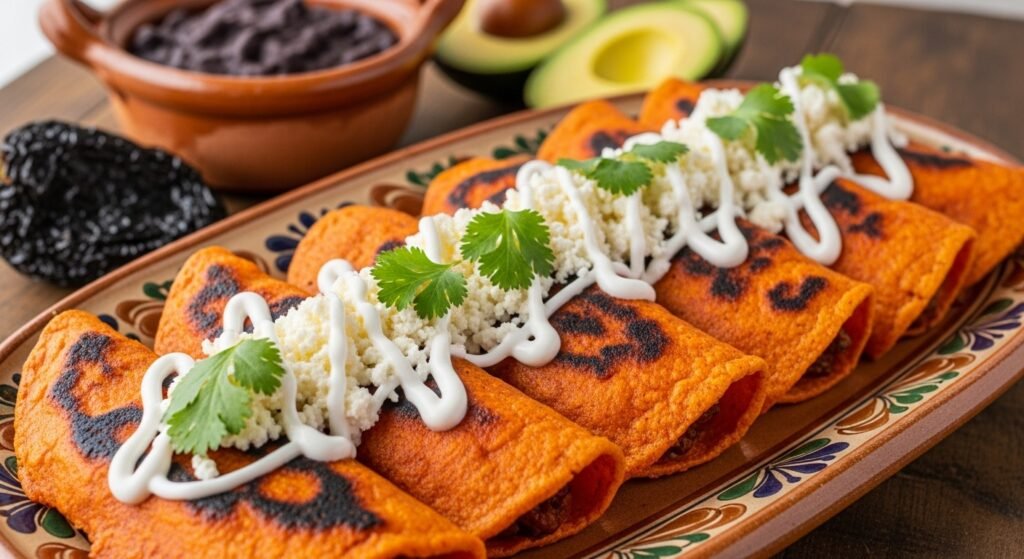
If you want the real deal in Mexican food, you have to try enchiladas potosinas. These are not your average rolled-up tortillas with sauce on top. They are special little pockets of joy from San Luis Potosí. We are going to dive deep into this tasty world today. You will learn how to make them from scratch in your own kitchen. Let’s get cooking and see why everyone loves this spicy snack!
The Heritage and Origin of Enchiladas Potosinas
The story of enchiladas potosinas is actually pretty wild and cool. It all started in a place called San Luis Potosí in Mexico. A lady named Doña Cristina Jalomo is the one we have to thank for this. She lived in a town called Soledad de Graciano Sánchez. One day at the corn mill, something funny happened that changed food history forever.
Historical Roots
- San Luis Potosí Pride: This dish is a badge of honor for the state of San Luis Potosí.
- Family Legacy: The recipe has been passed down for over 100 years now.
- Small Town Fame: Soledad is still the best place to find the most authentic versions.
The Happy Accident
- The Mill Mix-up: Back in the early 1900s, Doña Cristina was at the local corn mill.
- Guajillo Surprise: Some leftover guajillo chile paste got mixed into her regular corn masa.
- A New Creation: Instead of throwing it away, she cooked it and realized it tasted amazing.
Cultural Significance
- Unique Style: Most enchiladas are dipped in sauce after they are made.
- Built-in Spice: These have the chile right inside the dough before you even cook it.
- Heritage Cooking: It is now considered a protected part of Mexican food history.
Comprehensive Ingredient List

To make these right, you need the perfect blend of simple ingredients. You can find most of these at any local grocery store or Mexican market. Having the right quantities is key for that perfect flavor. Here is your shopping list for a big batch of enchiladas potosinas.
For the Infused Masa (Dough)
- Masa Harina: You will need exactly 2 cups of corn flour like Maseca.
- Warm Water: Have 1 ½ cups of warm water ready to mix.
- Guajillo Chiles: Grab 4 to 5 large dried guajillo chiles for that red color.
- Kosher Salt: Use about 1 teaspoon of salt to make the flavor pop.
- Garlic: 1 small garlic clove makes the dough smell great.
For the Thick Salsa Filling
- Roma Tomatoes: 3 ripe tomatoes will be the base of your salsa.
- Tomatillo: Use 1 medium tomatillo to add a little zing.
- Fresh Chiles: 1 or 2 serrano or jalapeño peppers for heat.
- Aromatics: 1/4 of a small white onion and 2 cloves of garlic.
- Oil: Just 2 teaspoons of olive or vegetable oil for sautéing.
For the Cheese and Assembly
- Queso Fresco: 150 grams or about 6 ounces of crumbled cheese.
- Cotija: You can also use cotija for a saltier bite.
- Frying Oil: Keep 1/2 cup of neutral oil handy for the crispy finish.
For Garnish and Sides
- Mexican Crema: A good drizzle of crema or sour cream is a must.
- Fresh Herbs: 1/4 cup of chopped cilantro adds a fresh touch.
- Avocado: Slice up 1 large avocado for a creamy topping.
- Beans: Serve with a side of warm refried beans.
The Science of the Ingredients
Cooking is like a tasty science experiment in your kitchen. Each part of the enchiladas potosinas recipe has a specific job to do. When you understand the “why,” you become a much better cook. Let’s look at what makes these ingredients so special.
The Role of Guajillo Chiles
- Mild Heat: Guajillo chiles are great because they aren’t too spicy for kids.
- Deep Color: They provide that beautiful bright red color to the dough.
- Earthiness: These chiles add a smoky flavor that white corn doesn’t have.
Masa Harina vs. Fresh Masa (Nixtamal)
- Traditional Method: Authentic shops use fresh ground nixtamalized corn.
- Maseca Power: Masa harina is a great backup that works perfectly at home.
- Texture: Fresh masa is a bit more pillowy, but harina is more consistent.
Cheese Selection: Why Moisture Content Matters
- Dry is Better: You want a cheese that stays put when it gets hot.
- Melting Point: Queso fresco doesn’t turn into a puddle like mozzarella does.
- The Salt Factor: Cotija adds a punch of salt that balances the spicy salsa.
Preparing the Guajillo Chile Base
The chile base is what gives these their famous red look. You can’t just throw dried chiles in the blender. You have to treat them with a little love first. This is the most important step for the dough.
Cleaning and Rehydrating
- Remove Seeds: Pull off the stems and shake out all the seeds.
- Boil Water: Drop them into a pot of boiling water for 15 minutes.
- Softening: Make sure they are totally soft before you try to blend them.
Blending and Straining
- Smooth Paste: Blend the chiles with just a little bit of the soaking water.
- Strain It: Push the paste through a mesh sieve to catch the skin.
- Add Garlic: This is when you toss in that garlic clove for extra flavor.
Mastering the Red Masa Dough

Now it is time to get your hands dirty with the dough. Making the red masa for enchiladas potosinas is super satisfying. It should feel like play-dough when you are finished. Don’t be afraid to squeeze it and knead it well.
Mixing the Ingredients
- Whisk Dry: Mix your masa harina and salt in a big bowl first.
- Add Color: Pour in 3 tablespoons of that red guajillo paste you made.
- Water Control: Slowly add the warm water while you mix with your hand.
Kneading for Texture
- Work It: Knead the dough for about 5 to 10 minutes straight.
- Smoothness: Stop when the dough feels soft and doesn’t stick to your skin.
- Wear Gloves: Use plastic gloves so you don’t have red hands all day.
- Hydration Test: If the edges crack when you press it, add a tiny bit more water.
Crafting the Signature Salsa Filling
The filling is the secret heart of the enchiladas potosinas. It needs to be very thick so it stays inside the pocket. If it’s too watery, you will have a big mess on your hands. We want a rich, concentrated salsa flavor.
Boiling and Blending the Vegetables
- Soft Boil: Cook your tomatoes and peppers until the skin starts to peel.
- Pulse Blend: Keep the salsa a little chunky instead of a total liquid.
- Flavor Boost: Add the garlic and onion into the blender for a fresh kick.
The Reducing Process (Sautéing)
- Hot Oil: Heat a little oil in a skillet before pouring the salsa in.
- Low Heat: Simmer it for 15 to 20 minutes to get the water out.
- Concentration: The salsa should look dark and very thick like a paste.
Combining with Cheese
- Cool Down: Let the salsa get to room temperature so it doesn’t melt the cheese yet.
- Crumble Cheese: Mix your queso fresco into the cooled salsa.
- Taste Test: Add a pinch of salt if it needs a little more zing.
The Assembly Process: Folding and Sealing

This is the part that makes enchiladas potosinas look like little empanadas. It takes a little practice to get the fold right. But once you get it, you’ll be a folding machine! Just remember to work while the dough is fresh.
Pressing the Tortillas
- Dough Balls: Make little balls about the size of a golf ball.
- Plastic Liner: Use a plastic bag in your press so the dough doesn’t stick.
- Thinness: Press them down until they are nice and thin but won’t tear.
The “Raw Seal” Technique
- Comal Heat: Put the tortilla on a hot griddle for just a few seconds.
- Filling Time: Add a spoonful of the cheese mix while the top is still raw.
- The Fold: Fold it in half and press the edges with a spatula.
- Instant Bond: The raw dough acts like glue to keep the salsa inside.
The Alternative “Guerrero” Method
If you are in a huge rush, there is a faster way to do this. It isn’t the 100% traditional way, but it still tastes great. This uses store-bought tortillas to save you some time. It is perfect for a quick weeknight dinner.
Using Pre-made Tortillas
- Guerrero Brand: Use white corn tortillas that are nice and soft.
- Quick Dip: Dip the whole tortilla into a warm guajillo and tomato sauce.
- Fast Filling: Place your cheese inside and fold it over immediately.
- Crispy Fry: Since the dough is already cooked, you just need to crisp the outside.
Cooking and Frying Techniques

Now we get to the part that makes these so addictive. We want a contrast between a soft middle and a crunchy outside. Getting the temperature of your oil right is the big secret here. Let’s make them sizzle!
The Griddle Phase
- Cook Through: Make sure the masa isn’t raw in the middle after you seal it.
- Medium Heat: Don’t burn the outside before the inside is ready.
- Pre-Frying: This step sets the shape so they don’t fall apart in the oil.
The Shallow Fry
- Just Enough Oil: You don’t need a deep fryer, just a little oil in a pan.
- Golden Brown: Fry them until they look slightly crispy and beautiful.
- Drain Well: Put them on a paper towel to get rid of any extra grease.
Dietary Variations and Substitutions
Everyone should be able to enjoy enchiladas potosinas. If you have special diet needs, you can still make these work. It only takes a few small changes to make them vegan or extra healthy. Here is how you can switch things up.
Vegan Enchiladas Potosinas
- Vegan Cheese: Use a plant-based queso fresco or almond feta.
- Cream Alternative: Top with cashew cream or vegan sour cream.
- Oil Choice: Stick to vegetable oil or coconut oil for frying.
Gluten-Free Verification
- Corn Only: Most masa harina is naturally gluten-free corn.
- Check Labels: Always double-check your flour bag to be safe.
- Safe Sides: Serve with plain beans and rice to keep the whole meal gluten-free.
Protein Additions
- Chorizo Mix: Add some cooked Mexican chorizo into your salsa filling.
- Shredded Chicken: Some people like to put tiny bits of chicken inside.
- Beef Side: Traditional plates often have a piece of thin steak on the side.
Troubleshooting Common Issues
Even the best cooks have a bad day sometimes. If your enchiladas aren’t looking quite right, don’t worry. Most problems with this recipe are very easy to fix. Here is how to handle the most common kitchen fails.
Why Did My Enchiladas Crack?
- Dry Dough: If your dough is cracking, you probably need more water.
- Cold Masa: Keep your dough covered so it doesn’t dry out while you work.
- Too Slow: You have to fold them while they are still warm and flexible.
How to Fix Runny Filling
- Keep Simmering: Just put the salsa back on the stove and cook it longer.
- More Cheese: Adding more crumbled cheese can soak up some of the juice.
- Masa Thickener: You can even stir in a tiny bit of dry masa flour to thicken it up.
Preventing Oil Splatter
- Dry Exterior: Make sure there is no water on the outside of the tortilla.
- Perfect Seal: Double-check your edges so no salsa leaks into the hot oil.
- Correct Temp: If the oil is too hot, it will pop and splash everywhere.
Serving and Presentation

You eat with your eyes first, so let’s make these look amazing. A traditional plate of enchiladas potosinas is a work of art. The bright colors of the toppings make the red dough look even better. Here is how to plate them like a chef.
Traditional Garnishing
- Cream Drizzle: Use a spoon to make pretty lines of crema across the top.
- Green Pop: Sprinkle lots of fresh green cilantro over everything.
- Onion Crunch: Diced white onions add a nice bite to the soft masa.
Suggested Side Dishes
- Bean Base: A big scoop of refried beans is the classic choice.
- Avocado Slices: Put three or four thin slices of avocado on the side.
- Lettuce Bed: Serve them on a bed of shredded iceberg lettuce for crunch.
Regional Comparisons: Potosinas vs. Other Enchiladas
Mexico has so many different types of enchiladas. It can be confusing to keep them all straight. But enchiladas potosinas really stand out from the rest of the pack. Let’s see how they compare to other famous regional styles.
Enchiladas Mineras (Guanajuato) vs. Potosinas
- The Toppings: Mineras usually have big chunks of potato and carrot on top.
- The Filling: Mineras are often filled with just cheese, while Potosinas have the salsa inside.
- The Shape: Mineras are rolled like a tube, but Potosinas are folded like a half-moon.
Enchiladas Querétaro Style
- Chile Type: They use different dried chiles that can be a bit darker.
- Preparation: They are often dipped in sauce and then fried, which is much messier.
- The Dough: They don’t usually put the chile inside the dough like we do here.
Storage and Make-Ahead Tips
You don’t have to do all this work right before dinner. These are actually great for meal prepping. You can get most of the steps done a day or two early. That way, you can just fry them up when you are hungry.
Preparing in Advance
- The Masa: You can mix the red dough a whole day early and keep it in the fridge.
- The Salsa: The filling tastes even better after the flavors sit for 2 days.
- Pre-folding: You can fill and seal them, then keep them on a tray in the fridge.
Storing Leftovers
- Fridge Life: Cooked enchiladas stay good in a sealed container for 3 days.
- Reheating: Use a toaster oven or an air fryer to get them crispy again.
- Microwave Warning: Try to avoid the microwave because it will make the dough soggy.
Freezing Instructions
- Freeze Raw: It is better to freeze them after they are sealed but before they are fried.
- Layering: Put parchment paper between them so they don’t stick together.
- Thawing: Let them thaw in the fridge before you put them in the hot oil.
Comprehensive Shopping List for Your Enchiladas Potosinas
Getting organized before you start cooking is the best way to ensure your enchiladas potosinas turn out perfect. This list is divided by the sections of the grocery store to help you navigate quickly. Make sure to check your pantry first, as you might already have some of these staples on hand.
Produce Section Essentials
- Roma Tomatoes: Pick up 3 firm, bright red tomatoes for the filling base.
- Tomatillo: You only need 1 medium tomatillo to add that signature tang.
- Fresh Peppers: Grab 2 serrano or jalapeño peppers depending on how much heat you like.
- White Onion: 1 small onion is enough for the salsa and for garnish.
- Garlic: A fresh bulb of garlic will be used in both the dough and the filling.
- Avocado: Choose 1 large, ripe avocado for slicing over the finished dish.
- Cilantro: 1 bunch of fresh cilantro for a bright, herbal garnish.
The Mexican Aisle or International Section
- Masa Harina: Look for a 2-pound bag of corn flour like Maseca brand.
- Dried Guajillo Chiles: These usually come in clear bags; you need at least 5 large ones.
- Mexican Crema: Buy a jar of authentic crema or a bottle of squeeze sour cream.
- Dried Oregano: 1 small container of Mexican oregano for the seasoning.
- Refried Beans: Grab a can of pinto or black refried beans to serve as a side.
Dairy and Refrigerated Case
- Queso Fresco: Look for a round wheel of fresh, crumbling Mexican cheese.
- Cotija Cheese: This is optional but great if you want a saltier topping.
- Vegan Options: If you are skipping dairy, look for almond-based feta or cashew cheese.
Oils, Spices, and Pantry Staples
- Vegetable Oil: A neutral oil like canola or corn oil is best for frying.
- Kosher Salt: You will need this for the dough, the salsa, and the boiling water.
- Olive Oil: A small bottle for sautéing the vegetables if you prefer it over vegetable oil.
- Plastic Wrap or Bags: You will need these to line your tortilla press so the red dough does not stick.
Equipment Check List
- Tortilla Press: This is the easiest way to get the uniform flat shape.
- Fine Mesh Strainer: Very important for making the guajillo paste smooth.
- Comal or Griddle: A flat cooking surface is essential for the first stage of cooking.
- High-Speed Blender: To ensure your salsa and chile paste are perfectly processed.
Conclusion: The Joy of Authentic Mexican Street Food
Making enchiladas potosinas is a labor of love. It takes some time to knead the dough and seal each little pocket. But once you take that first crispy, cheesy bite, you will know it was worth it. You are keeping a 100-year-old tradition alive in your own kitchen. So grab some masa, get those chiles boiling, and enjoy the taste of San Luis Potosí today!
| Ingredient | Quantity | Flavor Profile | When to Use |
| Masa Harina | 2 Cups | Earthy and nutty | First step of dough making |
| Dried Guajillo Chiles | 5 Large | Smoky and mild | Boiling for the base paste |
| Warm Water | 1.5 Cups | Neutral binder | Mixing into the dry masa flour |
| Kosher Salt | 1.5 Tsp | Flavor enhancer | Split between dough and salsa |
| Roma Tomatoes | 3 Medium | Sweet and acidic | Boiling for the salsa filling |
| Tomatillo | 1 Piece | Sharp and tangy | Boiling with the red tomatoes |
| Serrano Peppers | 2 Pieces | Bright and spicy | Blending into the inner filling |
| White Onion | 1/4 Cup | Sharp and savory | Sautéing the salsa reduction |
| Fresh Garlic | 3 Cloves | Pungent and aromatic | Split between paste and salsa |
| Queso Fresco | 150 Grams | Salty and milky | Mixing into the cooled salsa |
| Vegetable Oil | 1/2 Cup | Neutral fat | Final stage for shallow frying |
| Mexican Crema | 1/2 Cup | Rich and cooling | Drizzling over the hot plates |
| Fresh Cilantro | 1/4 Cup | Fresh and citrusy | Final garnish before serving |
| Ripe Avocado | 1 Large | Creamy and buttery | Sliced on the side of the plate |
| Dried Oregano | 1 Tsp | Floral and herbal | Seasoning the salsa reduction |
| Refried Beans | 1 Can/Cup | Hearty and savory | Served as a side accompaniment |
Frequently Asked Questions About Enchiladas Potosinas
What is the specific heat level of a guajillo chile?
On the Scoville scale, guajillo chiles usually range between 2,500 and 5,000 units. This makes them roughly as spicy as a mild jalapeño, which is why the red masa dough is flavorful but not overwhelmingly hot for most people.
Can I use liquid food coloring instead of guajillo paste for the red dough?
It is not recommended because you would miss out on the smoky, earthy flavor that the chile provides. While it might look correct, the authentic taste of the dough comes specifically from the oils and solids found in the real chile skins.
Why is it traditionally called a “pot-sized” enchilada in some regions?
The name actually refers to the city of San Luis Potosí rather than the size of the pot. However, because they are folded like empanadas, they are much easier to cook in large batches in a single pot or wide skillet than rolled enchiladas.
Is there a specific type of wood used for traditional comal cooking?
In rural Mexico, mesquite or oak wood is often used to heat the griddle. This adds a faint smoky aroma to the masa dough as it seals, which is a detail often lost when cooking on a modern gas or electric stove.
Can I substitute maseca with regular all-purpose flour?
No, you cannot use wheat flour for this recipe as it will turn into a dumpling or a flour tortilla. The texture of enchiladas potosinas relies entirely on the corn nixtamalization process found in masa harina.
Is it possible to bake these instead of frying them?
While you can bake them at 400 degrees Fahrenheit to get them warm, they will not achieve the signature bubbly, crispy texture that only hot oil can provide. Frying is the essential final step for the true street-food experience.
What is the best way to keep the tortillas warm while assembling a big batch?
Place your cooked and sealed enchiladas inside a cloth-lined basket or a tortilla warmer. The trapped steam will keep the masa soft and flexible until you are ready to move on to the frying stage.
Why do some people add a pinch of sugar to the guajillo paste?
Sometimes guajillo chiles can have a slightly bitter aftertaste if they are over-toasted. A tiny pinch of sugar helps balance that bitterness and enhances the natural fruitiness of the dried pepper.
Can I use a blender instead of a stone molcajete for the filling?
Yes, a blender is perfectly fine and actually more common in modern kitchens. Just use the “pulse” setting so you don’t turn your salsa into a thin juice; you want those visible bits of tomato and onion.
How long does the guajillo paste stay fresh in the freezer?
You can freeze the concentrated chile paste in ice cube trays for up to six months. This is a great shortcut for the next time you want to make a fresh batch of red masa without starting from scratch.
What is the difference between a Potosina and a Quesadilla?
The main difference is the dough; a quesadilla uses plain white or yellow corn dough. A Potosina is defined by the chile-infused dough and the specific salsa-and-cheese filling that is sealed inside while raw.
Are these typically served for breakfast or dinner?
In San Luis Potosí, they are incredibly versatile and often served as a heavy breakfast with eggs or as a late-night snack (antojito) at street stalls. There is no “wrong” time to eat them.
Can I use lard instead of vegetable oil for frying?
Using lard will provide a much more traditional and rich flavor profile. Many old-school recipes prefer lard because it has a higher smoke point and gives the corn dough a distinct savory depth.
Why does the dough sometimes turn orange instead of bright red?
The color depends on how many chiles you use and how well you strain the paste. If you use more water and less chile, the masa will look lighter; for a deep red, keep the paste thick and concentrated.
Should I peel the tomatoes before making the salsa filling?
It is a good idea to remove the skins after boiling because they can become stringy in the thick filling. This ensures that every bite of your enchilada is smooth and creamy.
Can I add potato to the filling like other enchilada styles?
While not traditional for the Potosina style, some families add tiny cubes of cooked potato to stretch the filling. However, the authentic version focuses almost entirely on the salsa and cheese mixture.
Is there a specific drink that pairs well with these?
A cold Hibiscus water (Agua de Jamaica) or a Tamarind water is the perfect pairing. The tartness and sweetness of these drinks help cut through the richness of the fried dough and cheese.
What should I do if my tortillas are sticking to the tortilla press?
This usually means your dough is a bit too wet or your plastic liners are dirty. Try using a fresh piece of heavy-duty plastic or a cut-up Ziploc bag, which works better than thin plastic wrap.
Why do some recipes call for soaking chiles in milk?
Soaking chiles in milk is a trick used to further reduce the heat level if you are very sensitive to spice. However, for enchiladas potosinas, water is traditional and preferred for the right dough consistency.
Can I use pre-crumbled feta if I can’t find Queso Fresco?
Yes, a mild, dry feta is a very close substitute for the salty and crumbly texture of Queso Fresco. Just make sure to rinse the feta if it is too salty so it doesn’t overpower the guajillo flavor.