Skip to content
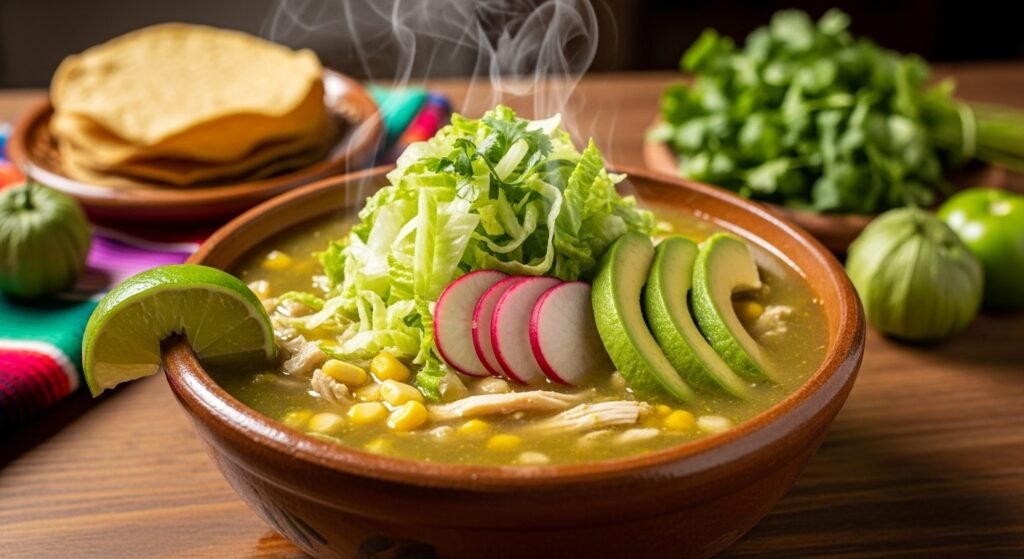
Mexican food is world famous for its deep and spicy flavors. Everyone knows about tacos and big bowls of traditional red pozole. But there is a hidden gem you need to try called pozolillo. This dish is like the cool, faster cousin of the classic soup we all love. It brings a fresh vibe to your table without the long wait. You get all the comfort of a warm stew in a much shorter time. It is the perfect meal for someone who wants real taste without spending all day in the kitchen.
Understanding Pozolillo and Its Place in Mexican Cuisine
The word pozolillo basically means “little pozole” in Spanish. It is a lighter and often greener version of the heavy original. While traditional pozole is famous for being a celebratory feast, this dish is for every day. It captures the spirit of the Mexican kitchen perfectly. You get a mix of fresh vegetables and tender meat in every single bite. It is a dish that makes your house smell amazing almost instantly.
Defining Pozolillo
This soup is a traditional Mexican stew that focuses on freshness. It is often called a “green” soup because of the fresh chiles and herbs. The name suggests it is a smaller or simpler version of the big classic. It uses fresh ingredients that pop with color and flavor. Think of it as a vibrant garden in a bowl. It is truly a staple for people who love authentic Latin flavors.
Pozolillo vs. Pozole
The biggest difference between these two is the corn used in the base. Regular pozole uses hominy, which are large dried corn kernels treated with alkali. This dish uses fresh corn kernels straight off the cob. Fresh corn gives the broth a sweet and milky taste that hominy lacks. Pozole also takes many hours to cook the meat until it falls apart. This version is much quicker and usually lighter on the stomach.
The Regional Roots
You can find variations of this soup all across Mexico. It is very popular in states like Guerrero and Jalisco. In some places, they call it a “harvest soup” because of the fresh corn. Each family has their own secret way of making the green sauce. Some regions prefer it a bit spicier with more serrano chiles. Others like it more mellow with extra cilantro and tomatillos.
Why Pozolillo is Perfect for Modern Kitchens
Life gets very busy and nobody has four hours to cook on a Tuesday. This recipe is a total game changer for weeknight meals. You can get a deep, slow-cooked flavor in less than an hour. It uses simple ingredients you can find at any local grocery store. It is also a very healthy option compared to many greasy fast foods. Your family will think you worked way harder than you actually did.
Essential Ingredients for Authentic Pozolillo

To make this right, you need to focus on high-quality produce. Since the ingredient list is short, every item counts a lot. You want vegetables that look bright and feel firm to the touch. The balance of heat and acid is what makes the soup special. Always try to get the freshest corn available in your market. This ensures the soup has that signature sweet and savory balance.
The Importance of Fresh Corn
Fresh corn is the soul of this specific recipe. When you cut kernels off the cob, they release a milky liquid. This liquid helps thicken the soup and adds a natural sweetness. Hominy is great, but it is much more starchy and heavy. Fresh corn keeps a nice snap even after it simmers in the broth. It makes the dish feel much more like a summer or autumn treat.
Protein Options
Chicken is the most common protein used for this green version. It absorbs the flavor of the green chiles without being too heavy. You can use chicken breasts or thighs depending on your preference. Some people like to use pork loin for a richer taste. Turkey is another great lean option if you have leftovers from a holiday. The key is to shred the meat so it mixes well.
The Aromatics
Onions and garlic provide the invisible floor of flavor for the soup. White onions are best because they are sharp and traditional in Mexico. Garlic adds that savory punch that everyone loves in a good stew. Fresh cilantro adds a peppery and citrusy note to the green base. These ingredients are blended raw to keep their flavors bright and punchy. They are the secret to why the broth tastes so alive.
The Flavor Foundation
The liquid you use will determine the quality of your soup. A rich chicken stock is always the best choice for the base. If you have time, making stock from scratch is a huge win. If not, a high-quality low-sodium stock from a box works fine. Using low-sodium lets you control the salt levels yourself. It ensures the soup doesn’t end up being too salty after it reduces.
Detailed Ingredient List with Exact Quantities
Gathering all your items before you start is a very smart move. This is called “mise en place” and it makes cooking much easier. You won’t have to stop and chop while the pan is hot. Make sure your vegetables are washed and ready to go. This list is designed to serve a hungry family of four. Here is exactly what you need to get from the store.
The Green Salsa Base (The Puree)
- 2 Poblano chiles which should be seeded and cut into large chunks.
- 5 Medium tomatillos that are husked, washed, and chopped up.
- 1 Medium white onion that is peeled and cut into chunks.
- 2 Garlic cloves that are peeled and roughly chopped by hand.
- 2 Serrano or jalapeño chiles with the stems removed and chopped.
- 1/2 bunch Cilantro using both the leaves and the stems for flavor.
The Soup Body
- 1 tsp Grapeseed or vegetable oil to fry your green sauce.
- 2 ½ litres Chicken stock which is about ten and a half cups.
- 1 double Chicken breast that has been poached and shredded thin.
- 3 ears Fresh corn with all the kernels sliced off the cob.
- 2 Tbsp Kosher salt but you can use less if you want.
Essential Garnishes
- 2 cups Shredded lettuce like iceberg or romaine for a cool crunch.
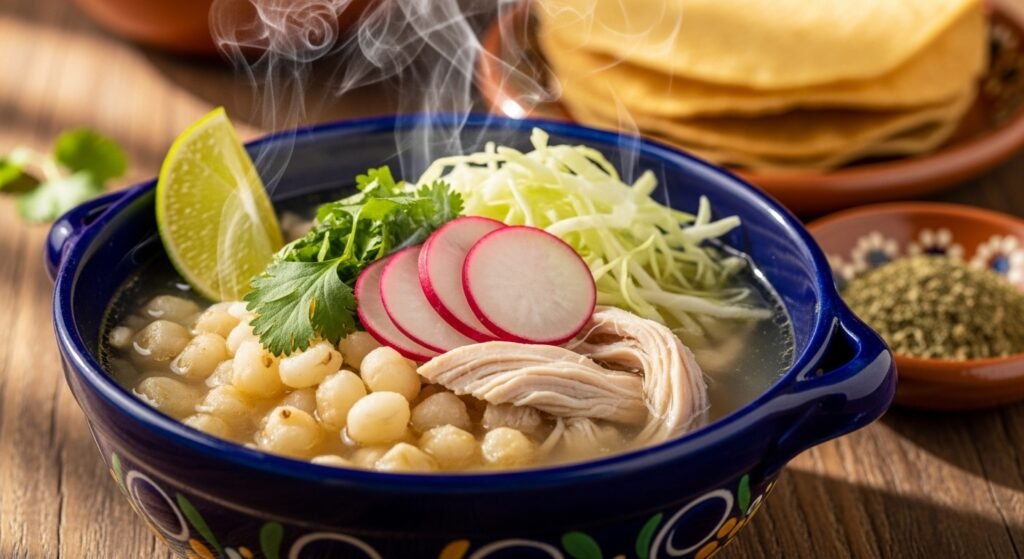
- 5-6 Radishes that are sliced very thin so they look like coins.
- 2-3 Limes cut into wedges for a fresh squeeze of juice.
- 1 Avocado cut into chunks to add a nice creamy texture.
- Side Corn tostadas which are crispy fried tortillas for dipping.
| Ingredient | Quantity | Flavor Profile | Time of Use |
| Poblano Chiles | 2 large | Earthy and mild heat | During the blending phase |
| Medium Tomatillos | 5 pieces | Tart and citrusy | During the blending phase |
| White Onion | 1 medium | Sharp and aromatic | During the blending phase |
| Garlic Cloves | 2 cloves | Savory and pungent | During the blending phase |
| Serrano Chiles | 2 pieces | Sharp and spicy kick | During the blending phase |
| Fresh Cilantro | 1/2 bunch | Herbaceous and bright | During the blending phase |
| Grapeseed Oil | 1 tsp | Neutral fat base | First step in the Dutch oven |
| Chicken Stock | 2.5 Litres | Rich and salty base | After frying the green sauce |
| Shredded Chicken | 1 double breast | Lean and savory protein | After adding the stock |
| Fresh Corn | 3 ears | Sweet and milky | Added with the chicken |
| Kosher Salt | 2 Tbsp | Flavor enhancer | During the final simmer |
| Shredded Lettuce | 2 cups | Cool and watery crunch | Added as a fresh garnish |
| Radishes | 5-6 pieces | Peppery and crisp | Added as a fresh garnish |
| Limes | 2-3 fruits | Acidic and zesty | Squeezed just before eating |
| Avocado | 1 large | Creamy and buttery | Added as a fresh garnish |
| Corn Tostadas | 1 pack | Toasty and crunchy | Served on the side |
Step-by-Step Cooking Methodology
Cooking this soup is all about building layers of flavor. You start with the raw vegetables and transform them into something rich. The process is simple but you must follow the right order. This ensures the chiles lose their raw bite and become sweet. It also allows the chicken to soak up the green sauce. Follow these steps for the most delicious results possible.
Preparing the Flavor Base
The first step is making the green puree in your blender. Throw in the poblanos, tomatillos, onion, garlic, and those spicy serrano chiles. Do not forget to add the cilantro for that green color.
- Blender Tip: Add a half cup of stock to help it blend.
- Smoothness: Keep the blender running until the sauce is totally liquid.
- No Roasting: Remember, we are skipping the roasting step to save time.
Sautéing and Developing the Base

Now you need to “fry” the sauce to unlock the flavor. Heat up your oil in a big Dutch oven or pot. Carefully pour in the green puree and watch out for splashes.
- Time: Cook the sauce for about 10 minutes on medium heat.
- Stirring: Make sure to stir it often so it does not burn.
- Color Change: The sauce will turn from bright green to a darker olive.
Assembling the Soup

Once the sauce is cooked, it is time to build the soup. Pour in the rest of your chicken stock and stir well. Now add the fresh corn kernels and your shredded chicken meat.
- Simmering: Bring everything to a soft boil and then lower the heat.
- Timing: Let it simmer for 30 to 40 minutes for best taste.
- Corn Texture: The corn should be soft but still have a bit of snap.
The Art of the Garnish
Garnishes are not just for looks in Mexican cooking. They are actually a huge part of the flavor profile. The hot soup needs cold, crunchy toppings to be truly balanced. Without them, the dish is missing its famous personality and texture. Everyone can customize their own bowl at the dinner table. This makes the meal fun and interactive for kids and adults.
The Role of Texture
Adding shredded lettuce provides a watery, cool crunch that is amazing. Radishes add a peppery bite and a bright pink color. These raw veggies cut through the warmth of the broth perfectly. It makes every spoonful feel fresh and light on the palate. You get a mix of soft chicken and crunchy vegetables. It is a party of different textures in one bowl.
Acidity and Balance
Limes are the most important garnish on the whole table. A big squeeze of lime juice brightens up the entire soup. It wakes up the flavors of the tomatillos and the chiles. The acid cuts through any fat from the chicken or oil. Always serve plenty of lime wedges so people can add more. It turns a good soup into a great one instantly.
Adding Creaminess
Avocado is the perfect optional topping for a bit of luxury. Its buttery texture pairs beautifully with the spicy green broth. You can slice it or dice it into small cubes. It adds healthy fats and makes the meal feel more filling. As the avocado sits in the hot soup, it softens slightly. It creates a rich contrast with the crisp radishes and lettuce.
The Crunch Factor
Corn tostadas are the traditional side dish for any pozole variety. They are flat, crispy corn tortillas that you can break up. Some people like to spread cream or salsa on them first. Others just dip them directly into the broth like a cracker. The corn flavor of the tostada matches the corn in the soup. It gives you something solid to bite into between sips.
Important Culinary Points and Pro-Tips
Making great food is about more than just following a list. It is about little tricks that make the job easier. These tips will help you get the best results every time. You can adapt the recipe based on what you have available. Don’t be afraid to experiment a little bit with the heat. Cooking should be fun and stress-free in your own home.
Efficiency Hacks
If you are really in a rush, buy a rotisserie chicken. You just have to shred the meat and it is ready. This saves you the time of poaching the chicken breasts separately. You can also use frozen corn if you cannot find fresh. Just make sure to thaw it and drain it first. This recipe is very forgiving and works with many shortcuts.
Corn Selection
Look for corn that has bright green husks and moist silk. If the husks are yellow or dry, the corn is old. Give the kernels a little squeeze to see if they are plump. Sweet yellow corn or white corn both work very well. If you use corn on the cob, save the cobs. You can toss them in the broth for extra flavor.
Managing Heat
Poblano chiles are usually mild, but serranos can be very hot. If you want a mild soup, remove the seeds from all chiles. The seeds and the white ribs inside are where the heat lives. If you love spice, leave the seeds in the jalapeños. You can also add more serranos to the blender if needed. Always taste a tiny piece of the chile before blending.
Stock Consistency
Some people like a very thick stew and others like broth. If you want it thicker, use less chicken stock initially. You can also blend a small amount of the corn. This releases more starch and creates a heartier texture in the pot. If the soup gets too thick, just add a splash of water. The goal is a consistency that coats the back of a spoon.
Advanced Flavor Enhancement Techniques
If you want to take your soup to the next level, try these. Professional chefs use small details to make flavors really stand out. It doesn’t take much more work but the payoff is huge. You will notice a difference in the depth of the broth. These steps help the ingredients reach their full potential in the pot. It turns a home-cooked meal into a restaurant-quality experience.
Mastering the Tomatillo
Tomatillos have a sticky coating that can taste a bit bitter. You must peel off the papery husk and wash them well. Use warm water to get that sticky sap off the skin. This ensures the soup has a clean and bright citrus flavor. Look for tomatillos that are firm and fill their husks completely. Small or medium ones often have a better, sweeter taste.
The Science of the “Salsa Frita”
Frying the salsa is a classic technique in traditional Mexican cooking. When the raw puree hits the hot oil, it undergoes a change. This is called the Maillard reaction and it creates new flavors. It removes the “raw” vegetable taste and makes it more savory.
- Sizzle: The sauce should sizzle loudly when it hits the hot pot.
- Texture: Frying helps the sauce and oil bond for a better mouthfeel.
- Depth: This step is what separates a mediocre soup from a great one.
Identifying the Color Shift
You will know the sauce is ready when the color changes. It starts as a bright, neon green in the blender. As it fries in the oil, it turns to a deep olive. This change means the chiles and tomatillos are properly cooked through. If you move too fast, the soup might taste too acidic. Wait for that dark green color before adding your chicken stock.
Nutritional Profile and Health Benefits
This soup is not just tasty, it is actually quite healthy. It is packed with vegetables and lean protein from the chicken. Unlike many cream-based soups, it is low in saturated fats. It is a great way to get a lot of vitamins in one meal. Eating fresh produce in a warm broth is great for the body. It is a meal that leaves you feeling energized and full.
A Heart-Healthy Alternative
Traditional pozole often uses fatty cuts of pork like shoulder or neck. This version uses lean chicken breast which is better for the heart. There is very little added oil in the whole recipe. Most of the flavor comes from the vegetables and the spices. It is a high-protein meal that fits into many different diet plans. You get the satisfaction of a stew without the heavy calories.
The Power of Capsaicin
Chiles like poblanos and serranos contain a compound called capsaicin. This is what gives the peppers their heat and health benefits. Capsaicin can help boost your metabolism and improve heart health over time. It is also known to help reduce inflammation in the body. Even the mild poblanos contribute these healthy elements to your diet. Spicing up your food is a great way to stay healthy.
Fiber Content
The fresh corn and the raw garnishes provide a lot of fiber. Fiber is essential for a healthy digestive system and gut health. The lettuce, radishes, and onion all add to this total count. Using fresh corn instead of processed hominy keeps the fiber natural. It helps you feel full for a longer period of time. This makes it a great choice for weight management goals.
Seasonal Adaptations and Sourcing
You can enjoy this dish all year round with a few tweaks. Different seasons bring different quality of produce to the market. Knowing how to adapt helps you maintain the best flavor quality. You can make it light for summer or heartier for winter. It is a versatile recipe that changes with the local harvest. Sourcing the right peppers is the key to authenticity here.
Cooking by the Seasons
In the summer, use the sweetest corn you can possibly find. This is when the corn is at its peak flavor. In the autumn, you can add more root vegetables if you want. The soup is very warming for those chilly fall evenings at home. Using seasonal produce always results in a much better tasting meal. It connects your cooking to the natural cycle of the year.
Winter Substitutions
If it is winter and fresh corn is not around, don’t worry. High-quality frozen corn is a perfectly fine substitute for this soup. Just make sure it is not the kind with added butter. You can also use canned corn, but rinse it very well first. The flavor will be slightly different but still very delicious. It is a great way to bring summer flavors to winter.
Sourcing Traditional Mexican Peppers
Poblano chiles are common in most American grocery stores these days. They are large, dark green, and heart-shaped peppers with mild heat. If you cannot find them, you can use Anaheim peppers. Anaheim peppers are a bit thinner but have a similar mildness. For the spicy kick, serranos are best but jalapeños are easier. Always look for peppers with smooth, shiny skin and no wrinkles.
The Heat Scale
It is helpful to know how spicy your chiles actually are. Poblanos are very low on the heat scale, almost like bells. Jalapeños are in the middle and vary a lot in spice. Serranos are much smaller and can be quite a bit hotter. If you are sensitive to heat, stick with just the poblanos. You can always add hot sauce to your own individual bowl.
Variations and Modern Twists
Once you master the basic green recipe, you can get creative. There are many ways to put your own spin on it. Some families prefer a red version or a vegetarian one. The basic technique of frying the salsa stays the same. This allows you to explore different flavor profiles using one method. It is a great way to keep your meal rotation exciting.
Pozolillo Rojo
If you want a red version, you change the salsa base. Instead of fresh green chiles, use dried red ones like guajillo. You toast and soak the dried chiles before blending them up. This creates a smokier and deeper flavor than the green version. You still use the fresh corn and shredded chicken as before. It is a beautiful, dark red soup that looks very festive.
Vegetarian Adaptations
You can easily make this dish vegetarian or even fully vegan. Swap the chicken stock for a flavorful vegetable broth instead. Instead of chicken, use thick slices of zucchini or mushrooms. Oyster mushrooms have a great texture that mimics shredded chicken well. You still get all the flavor from the green chile base. It is a light and healthy way to enjoy the stew.
Storage and Reheating
Like most stews, this one tastes even better the next day. The flavors have more time to mingle and get really deep. Store any leftovers in an airtight container in the fridge. It will stay fresh and delicious for about three to four days. When reheating, do it on the stove over low heat. You might need to add a little water or broth.
Troubleshooting Common Issues
Even simple recipes can sometimes run into small problems while cooking. Don’t panic if your soup doesn’t look perfect right away. Most issues are very easy to fix with a few tricks. Cooking is a learning process and every batch gets better. These solutions will help you save your meal if things go wrong. You will feel like a pro in no time at all.
What to do if the soup is too thin
If your soup looks more like water than stew, don’t worry. You can let it simmer uncovered for a few extra minutes. This allows some of the liquid to evaporate and thicken. Another trick is to mash some of the corn kernels. The starch from the corn will act as a natural thickener. You can also blend a small portion of the soup again.
Balancing Bitterness
Sometimes tomatillos can be a bit too tart or even bitter. If your broth tastes too sour, add a tiny pinch of sugar. The sugar balances the acid and rounds out the whole flavor. You can also add a little more salt to help it. Make sure you cooked the salsa base long enough in the oil. Under-cooked tomatillos are usually the main cause of a bitter soup.
Correcting Salt Levels
Always taste your soup near the end of the cooking time. If it tastes flat, it probably just needs more kosher salt. Salt is what makes the flavors of the chiles really pop. If you accidentally added too much salt, add a peeled potato. The potato will absorb some of the extra salt as it cooks. You can also add more broth to dilute the saltiness.
Conclusion: Bringing the Cultural Kitchen to Your Table
Making this traditional Mexican soup is a rewarding experience for any cook. It brings a piece of a different culture into your home. The smell of fresh chiles and corn is truly one of a kind. It is a dish that shows you care about quality and tradition. Your friends and family will surely appreciate the effort you put in. It is more than just food, it is a story in a bowl.
Food is always better when you eat it with people you love. This soup is perfect for big family gatherings or casual dinners. You can set out all the garnishes in small bowls. This lets everyone interact with their food and make it their own. It creates a fun and relaxed atmosphere at the dinner table. Sharing a meal like this builds great memories for everyone involved.
Final Thoughts
The “little cousin” of pozole is a recipe you should keep forever. It is fast, healthy, and incredibly flavorful for any skill level. You don’t need fancy tools, just a blender and a pot. It proves that authentic Mexican food can be easy to make. Give it a try this week and see for yourself why it’s a favorite. You might just find your new go-to meal for busy nights.
FAQs About Pozolillo
While we have covered the basics of this amazing Mexican stew, you might still have a few questions. Here are some extra tips and tricks to help you become a pro in the kitchen.
Can I use canned corn instead of fresh corn?
Yes, you can totally use canned corn if you are in a pinch. Just make sure you drain it and rinse it really well under cold water first. This removes the metallic taste from the can and keeps your broth tasting clean. It won’t be as sweet as fresh corn, but it still tastes great.
Is pozolillo gluten-free?
This soup is naturally gluten-free because it uses corn instead of wheat. Just double-check your chicken stock to make sure it doesn’t have hidden gluten additives. Always read the labels on your corn tostadas too. It is a safe and delicious choice for people with gluten sensitivities.
How do I store leftover tomatillos?
If you have extra tomatillos, keep them in a paper bag in your fridge. Do not peel the husks off until you are ready to cook them. They will stay fresh for about two weeks if they stay dry. This helps you save money and reduce food waste.
Can I freeze pozolillo for later?
You can definitely freeze this soup, but do it without the garnishes. Put the cooled soup in a freezer-safe bag or container for up to three months. When you want to eat it, let it thaw in the fridge overnight. Add fresh garnishes after you heat it up on the stove.
What is the best way to shred the chicken?
The easiest way to shred chicken is using two forks while it is still warm. You can also put the warm chicken in a stand mixer with the paddle attachment. Turn it on low for a few seconds and it shreds perfectly. This saves your hands from getting tired after a long day.
Can I make this dish in a slow cooker?
You can make a great version of this in a slow cooker. Put everything except the cilantro and garnishes in the pot on low for six hours. Stir in the fresh cilantro right before you serve it so it stays green. This is perfect for when you are at work all day.
Why is my green sauce turning brown?
If your sauce turns brown, you might be overcooking the tomatillos. They lose their bright green color if they boil for too long. Try to keep the soup at a gentle simmer instead of a hard boil. This keeps the dish looking vibrant and fresh on the plate.
Can I use pumpkin seeds in the sauce?
Adding toasted pumpkin seeds, or pepitas, is a common move in some regions. It makes the sauce much thicker and adds a nice nutty flavor. Just blend them into the green puree with the other vegetables. This version is often called “Pozolillo Verde con Pepitas.”
What if I cannot find poblano chiles?
If your store is out of poblanos, go for Anaheim chiles or green bell peppers. Bell peppers have no heat, so you might want to add an extra jalapeño. The goal is to get that deep green pepper flavor in the base. It is a very flexible recipe that works with what you have.
Is this soup spicy for children?
The recipe is as spicy as you make it. If you remove all the seeds from the chiles, it is very mild and kid-friendly. Poblanos are mostly smoky and sweet rather than hot. You can always serve hot sauce on the side for the adults.
Can I use pork instead of chicken?
Pork loin or pork shoulder works beautifully with these green flavors. If you use pork shoulder, you will need to simmer it longer until it is tender. Pork adds a richer, heartier feel to the broth compared to chicken. It is a great swap for a Sunday dinner.
What kind of radishes are best?
The classic small red radishes are the most common choice for Mexican soups. They provide a sharp, peppery crunch that cuts through the warm broth. You can also use watermelon radishes if you want a beautiful pop of color. Make sure to slice them paper-thin for the best texture.
Why do I need to wash the tomatillos after husking?
Tomatillos have a sticky film under the husk that can taste bitter. Washing them in warm water removes this residue and improves the final taste. It only takes a minute but makes a big difference in quality. Your green sauce will taste much cleaner and brighter.
Can I add beans to my pozolillo?
While not traditional, adding white beans can add extra protein and fiber. Great Northern beans or Cannellini beans blend in well with the colors of the soup. They make the dish feel even more filling for hungry teenagers. Just add them at the same time as the corn.
How do I get more lime juice out of my limes?
Roll the limes on the counter with your palm before cutting them. This breaks the tiny juice sacs inside and makes them easier to squeeze. You can also microwave them for ten seconds to get even more juice. Every drop of lime helps brighten up the soup.
Is it okay to use dried cilantro?
No, you really should use fresh cilantro for this specific recipe. Dried cilantro loses almost all its flavor and won’t give you that green color. If you hate cilantro, you can use fresh parsley or just leave it out. Fresh herbs are key to the “green” style of this stew.
What is the difference between white and yellow corn in this soup?
White corn is usually a bit creamier and less sweet than yellow corn. Both work great, so it really depends on what you like best. In Mexico, they often use a starchier white corn for a more traditional feel. Yellow corn gives the soup a beautiful golden look.
Can I use a food processor instead of a blender?
A food processor will work, but it might not make the sauce as smooth as a blender. If you use a food processor, let it run for a long time. You want a liquid puree rather than a chunky salsa. A smooth sauce gives the broth a better “sip” when you eat it.
How do I make the soup more filling?
If you want a heartier meal, serve it with a side of Mexican rice. You can also add more chicken or even some diced potatoes to the pot. Serving plenty of tostadas with avocado on top also helps fill everyone up. It is an easy meal to bulk up for a crowd.
Can I use olive oil to fry the sauce?
Master the art of Pozolillo with this detailed guide. Learn how to make this vibrant Mexican soup using fresh corn, chicken, and a zesty green chile base.