Skip to content
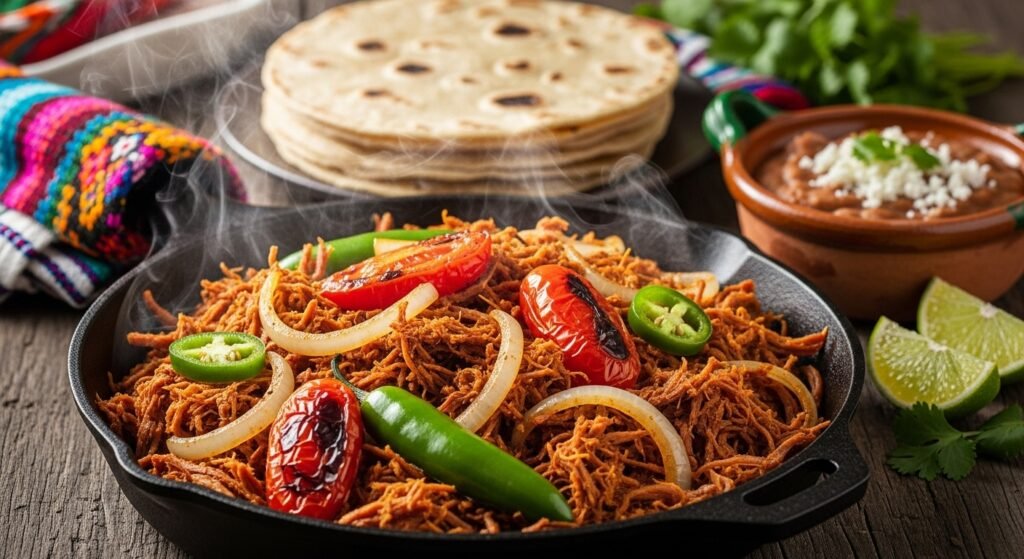
Machacado ranchero is a classic meal that brings a taste of Northern Mexico right to your kitchen table. This dish uses dried beef which people call carne seca to create a very hearty breakfast or brunch. It is famous for its bold flavors and simple ingredients that remind many people of home. If you want a real taste of Mexican heritage, this recipe is exactly what you need to try.
Introduction to Machacado Ranchero
Machacado is a meal that fills you up and makes you feel good. It is a staple in the northern parts of Mexico where the weather is dry. Families have eaten this for many years because it is easy to make and tastes great. You can find it in fancy restaurants or small family kitchens.
- Definition of the Dish: This meal is a mix of shredded dried beef and fresh vegetables. The word machacado comes from the Spanish word for crushed or pounded. This refers to how the meat is prepared before cooking.
- The Essence of “Ranchero” and “A La Mexicana”: These terms mean the dish uses the colors of the Mexican flag. You will see green from chiles, white from onions, and red from tomatoes. It is a patriotic way to cook that looks as good as it tastes.
- Cultural Significance: Many kids in Mexico grew up watching their grandmas make this in the morning. It represents the hard work of ranch life and the love of family. It is more than just food because it carries a lot of history.
- The Star Ingredient: Carne seca is the main part of this famous breakfast. It is beef that has been salted and dried to keep it fresh for a long time. This was very important before people had refrigerators.
The History and Geography of Machacado
The story of this dish starts a long time ago in the dusty plains of the north. People needed food that would not spoil under the hot sun. They learned to dry meat so they could carry it on long trips. This clever idea led to one of the best meals in the world.
Origins in the Chihuahuan Desert

The Chihuahuan desert is a very dry and hot place. Cowboys known as vaqueros spent many days riding through these lands. They needed lightweight food that gave them lots of energy. Dried beef was the perfect solution for their long journeys.
- Vaquero Culture: These early cowboys would pound the dried meat with stones to soften it. This made it easier to chew or mix into hot pans. This rough style of cooking is where the name machacado truly began.
- Survival Food: Drying meat was not about being fancy back then. It was a necessary way to save meat after a harvest or a hunt. Today we enjoy those same flavors because they are so unique.
Regional Variations: Nuevo León vs. Chihuahua vs. Sonora
Every state in Northern Mexico has its own way of doing things. In Nuevo León, they love their meat very finely shredded. They often serve it with thin flour tortillas that melt in your mouth. It is a point of pride for the people of Monterrey.
- Chihuahua Style: In this state, you might find the meat in slightly larger chunks. They often use different types of local chiles to give it a specific kick. The flavor is rugged and very traditional.
- Sonoran Influence: Sonora is known for high-quality beef and large flour tortillas. Their version of machacado is often very savory and rich. No matter where you go, the love for this beef is the same.
Essential Ingredients and Precise Measurements

To make the best machacado ranchero, you need to use fresh items. The quality of your beef and vegetables will make a big difference. Follow these measurements closely to get the perfect balance of flavors. You want every bite to have a little bit of everything.
- The Protein Base: Use 8 ounces of Mexican-style dried beef or carne seca. Make sure it is shredded well so it cooks evenly in the pan. This meat is the heart of your whole meal.
- The Fat: You will need 3 tablespoons of natural rendered pork lard. If you do not have lard, you can use your favorite cooking oil. Lard gives the dish a more authentic and smoky taste.
- The “Bandera” Aromatics: Gather 1 cup of finely diced white onion for the base. You also need 2 minced serrano peppers for a nice heat. Add 2 minced garlic cloves to bring all the flavors together.
- The Produce: Use 2 diced Roma tomatoes to add some texture to the mix. You also need 1 more Roma tomato that is roughly chopped. This extra tomato will be turned into a puree for moisture.
- Seasonings: Add fresh cracked black pepper to your own taste. Be careful with salt because the beef is already very salty. Most people find they do not need any extra salt at all.
Preparation and Kitchen Logistics
Getting ready to cook is just as important as the cooking itself. You want to have everything chopped and ready to go. This prevents the garlic or meat from burning while you are busy. A clean and organized kitchen makes the process much more fun.
Selection of Carne Seca
Buying the right meat is the first step to success. Look for carne seca that looks clean and smells like good beef. Some brands sell it very dry while others keep it a bit soft. Both work well but they feel different when you eat them.
- Texture Choices: Pre-shredded beef is very fast and easy to use. Some people prefer to buy whole strips and pull them apart by hand. Doing it by hand gives you more control over the size of the pieces.
- Salt Awareness: Always taste a small piece of the dry meat before you start. This tells you how much seasoning the rest of the dish will need. It is a pro tip that helps you avoid over-salting your food.
Essential Tools for Success

You do not need a lot of fancy gear for this recipe. A few basic tools will help you get the job done right. Using the right pan can change the way the meat browns. High heat and even cooking are your best friends here.
- Sharp Knives: A sharp chef’s knife makes dicing the onions and peppers very easy. You want small, even pieces so they cook at the same speed. It also keeps you safer in the kitchen.
- Stable Cutting Board: Use a large board that does not slide around while you work. This gives you plenty of room to prep all your fresh produce. It keeps your counter clean and your work fast.
- The Right Skillet: A cast iron skillet is the traditional choice for this dish. It holds heat very well and gives the beef a nice crust. A heavy non-stick pan also works if you prefer that.
Step-by-Step Cooking Process
Now it is time to turn these ingredients into a masterpiece. Cooking machacado is a very fast process once you begin. The smell of the onions and peppers will fill your house quickly. Follow these steps to ensure your meal comes out perfect every time.
Sautéing the Foundation
Start by putting your pan over medium-high heat. Add the lard or oil and let it get hot and shimmering. This creates the base of flavor for everything else you add. Do not rush this part as the fat needs to be ready.
- Onions and Peppers: Toss the diced onions and minced serranos into the hot fat. Stir them around until the onions look clear and soft. You will start to smell that classic ranchero aroma right away.
- Adding Garlic: Put the minced garlic in last so it does not burn. It only needs about thirty seconds to become fragrant and tasty. Burnt garlic can ruin the flavor of the whole dish.
Frying the Dried Beef
Once the vegetables are soft, it is time for the beef. Add the 8 ounces of shredded carne seca into the pan. You will notice the meat starts to soak up the oil very fast. This is normal and helps the beef become tender and delicious.
- Managing the Fat: If the pan looks too dry, add a little more oil. You want the meat to fry slightly rather than just sitting there. This helps release the deep beefy flavor stored in the fibers.
- Crisping the Meat: Let the meat cook for a few minutes until it gets some color. A little bit of crunch on the beef adds a great texture. Keep stirring so nothing sticks to the bottom of the skillet.
Creating the Ranchero Sauce
Now you will add the tomatoes to finish the dish. Put the diced tomatoes in first and stir them well. Then add your tomato puree to provide the necessary liquid. This turns the dry mix into a juicy and rich meal.
- Merging Flavors: Turn the heat down to low once everything is in the pan. Let it simmer for about 8 to 10 minutes. This allows the tomatoes to break down and coat the beef.
- Final Touches: Add your fresh cracked pepper during these last few minutes. Give it one final taste to see if it needs anything else. When the sauce is thick and bubbly, your machacado is done.
The Art of Drying Beef: Understanding Your Meat
If you want to be a true expert, you should know about the meat. Carne seca is not like the jerky you find in gas stations. It is a specialized product made with care and tradition. Understanding how it is made helps you appreciate the dish more.
Homemade vs. Store-Bought Carne Seca
You can buy carne seca at many Mexican grocery stores today. It is usually found in the meat section or near the spices. However, some people still like to make it at home for the best taste. Homemade meat allows you to control the salt and the quality.
- Traditional Drying: In the past, people hung thin slices of beef in the sun. They used salt and lime juice to keep bugs away and dry it out. This gave the meat a very distinct and tangy flavor.
- Modern Methods: Today you can use a food dehydrator or a low oven. You slice the beef very thin and let it dry for many hours. It is a slow process but the result is very rewarding.
Identifying Quality Carne Seca
When you shop for beef, look for a deep red or brown color. It should look dry but not like it is crumbling into dust. Good meat will have a clean, salty smell that makes you hungry. Avoid any meat that looks gray or has a strange odor.
- The Best Cuts: Most experts use eye of round or top round beef. These cuts are very lean which is perfect for drying. Fat can go bad during the drying process so lean is better.
- Storage Life: Properly dried beef can last for a long time in a cool place. Keep it in a sealed bag to prevent it from getting too tough. This makes it a great pantry staple for quick meals.
Customization and Culinary Variations
One great thing about machacado is that you can change it. Every cook has their own secret way of making it special. You can make it spicy, mild, chunky, or smooth depending on your mood. Do not be afraid to experiment with the recipe once you know the basics.
Texture Adjustments
Some people do not like big chunks of onion or pepper in their food. You can fix this by blending your vegetables before you cook them. This creates a smooth ranchero sauce that coats every bit of beef. It is a more modern way to serve this old-fashioned dish.
- Infusing Flavors: You can also cook large pieces of vegetables and then pull them out. This leaves the flavor behind without the actual bits of food. It is a clever trick for picky eaters or kids.
- Shredding Style: If you like a rustic look, keep the beef in longer shreds. For a more delicate dish, mince the beef into very tiny pieces. Both ways are authentic and taste wonderful in a tortilla.
Heat Level Management
Not everyone loves a spicy breakfast first thing in the morning. You can easily control how hot your machacado ranchero becomes. The serrano peppers are where most of the heat comes from. You can swap them for milder peppers if you want a calm meal.
- Using Jalapeños: Jalapeño peppers are usually milder than serranos. They still give you that green pepper taste without too much burn. It is a safe choice for guests who do not like spice.
- Removing Seeds: Most of the heat lives in the seeds and the white ribs of the chile. If you scrape those out before mincing, the dish will be much milder. This lets the flavor of the beef shine through more.
The “With Eggs” (Con Huevo) Variation

While the ranchero style is delicious, many people add eggs. This is called machacado con huevo and it is very popular. You simply scramble some eggs right into the pan with the beef. It makes the meal even more filling and perfect for breakfast.
- The Mixing Step: Whisk about 4 to 6 eggs in a small bowl. Pour them over the cooked beef and vegetable mixture. Stir gently until the eggs are set but still soft.
- Creamy Texture: Adding eggs makes the whole dish softer and creamier. It is the most common way to see machacado served in Monterrey. It goes perfectly with a side of warm beans.
Professional Tips for the Perfect Batch
Cooking like a pro takes a little bit of extra attention. There are small things you can do to make your dish stand out. These tips come from years of tradition and practice in Mexican kitchens. Even a beginner can look like an expert with these ideas.
- Watch the Dryness: If your meat seems too tough, add a splash of water or broth. This helps rehydrate the beef just enough to make it tender. You want it juicy but not like a soup.
- Use Ripe Tomatoes: Always pick the reddest Roma tomatoes you can find. They have more juice and a better sweetness to balance the salt. Pale tomatoes will not give you that rich red sauce you want.
- Batch Cooking: You can easily double this recipe for a big group. Just make sure you use a very large skillet so nothing gets crowded. Crowding the pan will make the meat steam instead of fry.
Serving and Presentation Suggestions
How you serve your machacado is almost as important as how you cook it. In Northern Mexico, the sides are part of the whole experience. You want a plate that is full of different colors and textures. It makes the meal feel like a special occasion every time.
Traditional Pairings
The best thing to eat with machacado is a fresh flour tortilla. Northern Mexico is famous for these tortillas because they are soft and buttery. You can roll the beef inside to make a delicious breakfast burrito. It is the most authentic way to enjoy this classic meal.
- Warm Tortillas: Always heat your tortillas on a griddle before serving. A cold tortilla can ruin the taste of the hot beef. They should be flexible and have a few brown spots.
- Refried Beans: A scoop of creamy refried beans is a must on the side. They provide a smooth contrast to the chewy and savory meat. You can even sprinkle a little cheese on top of the beans.
Garnishes and Sides
Garnishes add the final touch of flavor and beauty to your plate. Fresh items help cut through the richness of the lard and beef. They make every bite taste fresh and exciting. You can set these out in bowls so everyone can pick their own.
- Avocado Slices: Fresh avocado adds a cool and creamy feeling to the dish. The healthy fats in the avocado go great with the salty beef. It is a favorite topping for many people.
- Pickled Jalapeños: These add a nice crunch and a sour kick to the meal. The vinegar in the pickles helps balance out the heavy flavors. It is a traditional side that you will find in most homes.
- Salsa Choices: If you want more heat, add your favorite red or green salsa. A salsa verde can add a bright tanginess that is very refreshing. A smoky red salsa makes the dish feel even more rustic.
Nutritional Information and Storage
Machacado ranchero is a very healthy way to start your day. It is packed with protein which keeps you full for a long time. Because it uses fresh vegetables, you get plenty of vitamins too. It is a great choice for people who need a lot of energy.
- High Protein: Dried beef is a very concentrated source of protein. One serving gives you a big boost to help your muscles grow. It is much better than sugary cereals or pastries.
- Low Carb Option: If you skip the tortillas, this dish is very low in carbs. You can eat it with just a fork or with some sliced cucumber. It fits into many different types of healthy diets.
Storage and Reheating
If you have leftovers, do not let them go to waste. You can save them for another meal very easily. Machacado actually tastes even better the next day as flavors meld. Just make sure you store it the right way to keep it safe.
- Airtight Containers: Put your leftover machacado in a sealed container in the fridge. It will stay fresh and tasty for about 3 days. Make sure it cools down before you put the lid on.
- Reheating Tips: Use a skillet over low heat to warm the beef back up. You might need a tiny drop of water to keep it from getting dry. Avoid the microwave if you can because it can make the beef rubbery.
Conclusion: Bringing the Ranch to Your Kitchen
Machacado ranchero is a beautiful example of Mexican food culture. It shows how simple ingredients can make a very powerful meal. By following this guide, you can recreate a piece of history in your own home. It is a dish that will impress your friends and fill your family.
Now you have all the tools and knowledge to make this breakfast. From choosing the meat to serving it with the right sides, you are ready. Cooking is about sharing love and tradition with those you care about. Put on your apron and enjoy the wonderful flavors of Northern Mexico.
| Ingredient | Flavor Profile | When to Use |
| Oil | Rich, smoky, and savory | At the very beginning to coat the pan |
| White Onion | Sharp when raw, sweet and savory when cooked | First vegetable added to the hot fat |
| Serrano Peppers | Bright, grassy, and significantly spicy | Added with the onions to soften and release heat |
| Minced Garlic | Pungent, nutty, and aromatic | Added once onions are translucent (cooks fast) |
| Carne Seca (Dried Beef) | Salty, intense beefy flavor, and chewy | Added after the aromatics are soft and fragrant |
| Fresh Black Pepper | Woody, earthy, and mildly pungent | Sprinkled over the beef while it fries |
| Diced Roma Tomatoes | Tangy, sweet, and refreshing | Added after the beef has been lightly toasted |
| Tomato Puree | Deep tomato essence and rich moisture | Added along with diced tomatoes to create the sauce |
| Flour Tortillas | Buttery, mild, and soft | Heated on a separate griddle just before serving |
| Refried Beans | Creamy, earthy, and mild | Served on the side as a warm accompaniment |
| Avocado Slices | Cool, buttery, and clean | Placed on top of the finished dish as a garnish |
| Pickled Jalapeños | Sour, crunchy, and acidic | Served on the side to cut through the richness |
| Fresh Salsa | Spicy, tart, and vibrant | Drizzled over the final plate according to taste |
Frequently Asked Questions
Can I use store-bought beef jerky for this recipe?
While it looks similar, traditional beef jerky is usually seasoned with sugar, liquid smoke, or soy sauce, which will ruin the flavor of machacado. Authentic carne seca is only cured with salt and air, giving it a very specific savory taste. If you are in a pinch, look for a “natural” or “sea salt” jerky that has no sweetness at all.
Is machacado high in calories?
Machacado is actually a great option for people watching their weight because the beef is very lean. Most of the calories come from the cooking fat like pork lard or oil. If you use a nonstick skillet and less oil, it becomes a high-protein, low-calorie meal.
How do I store leftover carne seca that hasn’t been cooked?
If the meat is completely dry, you can keep it in a cool, dark pantry in a sealed bag for several months. If the meat feels a bit flexible or moist, it is safer to keep it in the refrigerator. Always check for any strange smells before you start cooking.
Can I make this dish without any spicy peppers?
Yes, you can totally skip the serrano peppers if you don’t like heat. You can replace them with green bell peppers or mild anaheim chiles. This gives you the “flag” colors and the veggie crunch without the burn on your tongue.
Why is the beef called “machacado”?
The name comes from the Spanish word “machacar,” which means to pound or crush. Traditionally, the dried beef was so tough that people had to hit it with a rock or a wooden mallet to soften the fibers. Today, most people buy it already shredded or “machacado” for convenience.
Is this recipe gluten-free?
The machacado ranchero itself is naturally gluten-free as long as your dried beef has no additives. However, it is usually served with flour tortillas which contain gluten. To keep it gluten-free, simply swap the flour tortillas for corn tortillas or eat it with a side of beans.
What part of the cow is used for carne seca?
Most producers use the eye of round or the top round because these are the leanest parts of the animal. Fat does not dry well and can turn sour over time, so a lean cut is essential. This results in a very meaty and chewy texture that is perfect for shredding.
Can kids eat machacado ranchero?
Kids in Northern Mexico eat this all the time, but usually with fewer peppers. It is a great way to get children to eat protein and vegetables together. If you make it “con huevo” (with eggs), kids usually find the texture much easier to enjoy.
How can I tell if my carne seca has gone bad?
Good dried beef should smell like salty roasted meat. If you notice a sour smell, a slimy texture, or any fuzzy mold spots, you must throw it away immediately. Because it is a meat product, it is better to be safe than sorry.
What is the difference between machacado and cecina?
Cecina is another type of Mexican dried meat, but it is usually sliced into thin sheets and is often still a bit moist. Machacado is specifically the dried beef that has been pounded or shredded into small bits. Cecina is usually grilled whole, while machacado is almost always scrambled with veggies or eggs.
Can I use a slow cooker for this recipe?
Machacado is a “fast-fry” meal, so a slow cooker is not a good choice. The goal is to get the beef a little bit crispy and the vegetables just soft enough. Slow cooking would make the meat too mushy and you would lose the classic ranchero texture.
Does machacado have a lot of cholesterol?
Since it is made from red meat and often cooked in lard, it does have some cholesterol. However, because the beef is so lean and you use a lot of vegetables, it is considered a balanced meal. You can use avocado oil or olive oil instead of lard to make it even heartier.
Why do some recipes use water when cooking the beef?
Dried beef is very thirsty and will soak up all the moisture in the pan. Adding a tiny splash of water or beef broth creates steam which helps soften the beef fibers. This makes the meat much easier to chew if it was very dry to begin with.
Can I add cheese to my machacado?
While not part of the traditional “ranchero” style, many people love adding crumbled queso fresco or melting some chihuahua cheese on top. The saltiness of the cheese goes very well with the savory beef. Just add it at the very end so it doesn’t burn.
What is the best drink to serve with this breakfast?
In Mexico, it is most common to serve this with a hot cup of coffee or a cold glass of fresh orange juice. If you are eating it for brunch, a light Mexican lager also pairs perfectly with the salty and spicy flavors.
Can I use canned tomatoes instead of fresh ones?
Fresh Roma tomatoes are much better because they provide a better texture. Canned tomatoes can be a bit too metallic or acidic for this delicate dish. If you must use canned, make sure to drain them very well before adding them to the skillet.
How do I make the beef less salty?
If your beef is too salty, you can rinse the shredded meat under cold water for a few seconds and then pat it dry. This washes away the surface salt. Just remember that the vegetables you add will also help dilute the saltiness naturally.
Can I prepare the vegetables the night before?
Yes, you can dice your onions, peppers, and tomatoes ahead of time and keep them in the fridge. This makes the morning cooking process take less than fifteen minutes. Just keep the tomatoes in a separate container so they don’t make the onions soggy.
Is machacado a common lunch dish too?
While it is famous as a breakfast, many people in Northern Mexico eat it for lunch or even a light dinner. It is very versatile and can be used as a filling for tacos any time of the day. It is a great “emergency” meal because the meat lasts so long in the pantry.
What is the difference between machacado and “machaca”?
In most places, these words are used to mean the same thing. “Machaca” is often the name of the dried meat itself, while “machacado” refers to the finished dish. Different regions in Mexico and the Southwest USA might prefer one word over the other, but the delicious taste is identical.