Skip to content
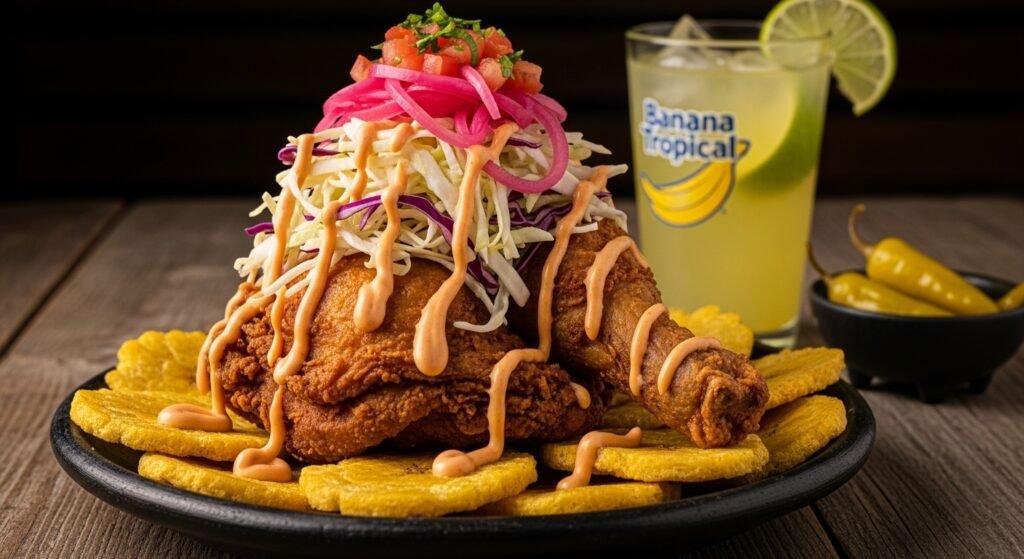
If you love crispy food you need to know about pollo chuco. This dish is the king of street food in Honduras. It is famous for being messy and full of flavor. People also call it pollo con tajadas. You usually find it on busy street corners in San Pedro Sula. It is not just a meal for locals. It is a huge part of their culture and heart.
What Is Pollo Chuco?
The name pollo chuco literally means dirty chicken in Spanish. Do not let that name scare you away though. It is called dirty because it is sold on the street. It is also very messy to eat with your hands. You get a big plate of fried chicken and plantains. It comes with many colorful toppings and creamy sauces.
Defining the Dish
- The Core Component: At the center is a piece of juicy fried chicken.
- The Base: The chicken sits on a bed of fried green bananas called tajadas.
- The Crunch: Fresh cabbage slaw adds a cold crunch to every bite.
- The Zing: Pickled onions and chismol provide a tangy flavor.
The Etymology of Chuco
The word chuco describes the casual vibe of the food. It is not fancy restaurant food at all. You eat it at a stand or a small stall. The grease and sauces will likely get on your fingers. That is exactly how it is supposed to be. It represents the real and raw life of the city.
Cultural Identity
For people in Honduras this dish is a symbol of home. It represents the northern coast and its vibrant energy. It is a plate that brings everyone together. Rich and poor people all wait in the same lines. It is the unofficial dish of the Honduran people. You cannot visit the country without trying it once.
History and Origins

The history of pollo chuco starts in the north. Specifically it began in the city of San Pedro Sula. This city is the industrial heart of the country. Workers needed something fast and filling to eat. Street vendors started selling fried chicken to meet that need. It was cheap and tasted like a home-cooked meal.
The Heart of San Pedro Sula
San Pedro Sula is the true capital of pollo chuco. The humidity there makes you crave something salty and cold. Vendors at Mercado Guamilito have perfected the recipe over decades. They use special spices that they keep as secrets. The city smells like fried plantains and spices every night. It is the best place to find an authentic plate.
Street Food Evolution
The dish has changed a lot over the years. It started as a simple snack for busy workers. Now it is served in big fancy restaurants too. Even with these changes the street style stays popular. People love the grit and soul of the original stands. It has moved from the sidewalk to the national stage.
The Afro-Caribbean Connection
Honduras has a strong connection to the Caribbean Sea. This influenced the use of green bananas in the dish. The Garifuna people on the coast use plantains often. Pollo chuco combines Spanish frying styles with these local fruits. This mix created something totally unique to Central America. It is a fusion of different cultures and histories.
Why Pollo Chuco Captures the Heart of Honduras
There are many reasons why this dish is a favorite. It is more than just a quick meal. It hits all the right spots for flavor and texture. You get warmth from the chicken and cold from the salad. It is a very satisfying meal for any time.
A Sensory Experience
- Contrast: You feel the heat of the chicken against the cold slaw.
- Texture: You hear the loud crunch of the plantain chips.
- Flavor: You taste the salt from the meat and the acid from lime.
- Aroma: The smell of garlic and onions fills the air around you.
Affordability and Accessibility
One great thing is that anyone can afford it. A huge plate costs very little money. You can find a vendor on almost every block. It is the perfect meal for a family on a budget. It fills you up for the whole day. This makes it a hero dish for the working class.
A Source of National Pride
Hondurans living abroad always miss this specific food. It is the first thing they want when they land. It reminds them of their roots and their family. People take pride in how unique the flavors are. They will tell you their local spot is the best. It is a badge of honor for the country.
Key Components and Essential Toppings
To make a real pollo chuco you need several things. You cannot just throw fried chicken on a plate. Each layer has a job to do for flavor. Without the right toppings the dish is just chicken. The magic is in how all the parts work together.
The Chicken Base
The chicken must be seasoned all the way through. Most people use a marinade with mustard and bouillon. This keeps the meat very juicy while it fries. The skin has to be extra crispy and gold. It should have a loud crunch when you bite. Using fresh chicken pieces makes a big difference here.
The Golden Tajadas
Authentic pollo chuco requires the use of green bananas or unripe plantains rather than the typical sweet yellow variety. These are sliced thin and fried until hard, serving as a savory, starchy replacement for bread. This crispy base is essential for soaking up the flavorful juices from the fried chicken and signature sauces.
The Cabbage Slaw
The slaw is made from shredded white cabbage. Some people add carrots for a bit of color. It is usually dressed with vinegar and a little salt. This acts as a palate cleanser for the grease. It gives the dish a fresh and light feeling. Every bite needs a bit of this cold salad.
Chismol (Honduran Pico de Gallo)
Chismol is a very common side in Honduran food. It uses diced tomatoes and green bell peppers. You also add onions and lots of fresh cilantro. It adds a burst of garden flavor to the plate. The lime juice in it helps balance the fried fats. It makes the whole meal look very bright.
Encurtido (Pickled Onions)
These onions are bright red or pink in color. They are soaked in vinegar with spices like cumin. They have a very strong and tangy kick. Just a few on top can change the whole meal. They help your stomach digest the heavy fried food. Most vendors make their own special pickled blend.
The Signature Salsita
No pollo chuco is complete without the creamy sauce. It is often called aderezo by the local people. It is a mix of mayo and tomato ketchup. Some people add milk to make it more runny. It is drizzled over the chicken and the tajadas. It ties all the different flavors into one package.
Complete Pollo Chuco Recipe
Making this at home is fun and rewarding. You need a few specific ingredients to be authentic. Follow these measurements for the best results possible. It will taste like you are in Honduras.

Ingredients for the Chicken & Marinade
- Chicken Pieces: 4 to 6 thighs or drumsticks.
- Lemon: 1 whole lemon for cleaning the meat.
- Mustard: 2 tablespoons of regular yellow mustard.
- Vinegar: 1 tablespoon of white distilled vinegar.
- Bouillon: 1 chicken flavor cube dissolved in water.
- Flour: 1 cup of all-purpose white flour.
- Spices: 1 teaspoon of paprika and garlic powder.
- Salt/Pepper: 1 teaspoon of each for the seasoning.
Ingredients for the Tajadas and Sides
- Plantains: 3 to 4 very green plantains.
- Cabbage: Half a head of shredded white cabbage.
- Carrots: 2 small carrots shredded for the slaw.
- Tomatoes: 4 ripe tomatoes diced for the chismol.
- Onion: 1 white onion finely chopped for mixing.
- Peppers: 1 green bell pepper diced very small.
- Herbs: A handful of fresh cilantro or culantro.
Ingredients for the Creamy Aderezo
- Mayonnaise: A quarter cup of heavy mayo.
- Ketchup: 1 and a half tablespoons of ketchup.
- Mustard: 1 tablespoon of yellow mustard for tang.
- Milk: 3 tablespoons of whole milk for texture.
- Cumin: A small pinch for an earthy taste.
| Ingredient | Exact Quantity | Part of the Dish | When to Use | Flavor & Purpose |
| Chicken Pieces | 4 to 6 pieces | The Protein | Start of prep | Hearty, juicy foundation (thighs/legs preferred). |
| Lemon | 1 whole | Prep / Cleaning | Before marinating | Removes gamey scent; brightens the meat. |
| Yellow Mustard | 2 tablespoons | Marinade | 30 mins before frying | Tangy binder; helps the breading stick. |
| Chicken Bouillon | 1 cube | Marinade | 30 mins before frying | Deep, salty, umami savory punch. |
| White Vinegar | 1 tablespoon | Marinade / Slaw | Throughout prep | Acidic tenderizer for meat and tang for slaw. |
| All-purpose Flour | 1 cup | Breading | Just before frying | Creates the signature golden, crispy crust. |
| Paprika | 1 teaspoon | Breading | Mix with flour | Adds a smoky hint and a rich golden color. |
| Garlic Powder | 1 teaspoon | Breading | Mix with flour | Pungent, savory aromatic depth. |
| Onion Powder | 1 teaspoon | Breading | Mix with flour | Sweet, savory undertone for the crust. |
| Green Plantains | 3 to 4 large | The Base (Tajadas) | While chicken fries | Starchy, crunchy, and savory foundation. |
| Vegetable Oil | 2 to 4 cups | Frying | Throughout cooking | Medium for heat; provides the “crunch” factor. |
| White Cabbage | ½ head | Cabbage Slaw | During assembly | Fresh, cool, and watery crunch. |
| Carrots | 2 small | Cabbage Slaw | During assembly | Subtle sweetness and bright orange color. |
| Ripe Tomatoes | 4 large | Chismol | During assembly | Juicy, acidic, and fresh garden flavor. |
| White Onion | 1 large | Chismol | During assembly | Sharp, crisp, and aromatic bite. |
| Green Bell Pepper | 1 large | Chismol | During assembly | Earthy, mild pepper flavor. |
| Fresh Cilantro | 1 handful | Chismol | Garnish / Finishing | Bright, citrusy, and herbal aroma. |
| Red Onions | 1 large | Encurtido | 12-24 hours before | Very sharp, tangy, and vinegar-heavy. |
| Mayonnaise | ¼ cup | Aderezo (Sauce) | Final assembly | Rich, creamy, and fatty mouthfeel. |
| Ketchup | 1½ tablespoons | Aderezo (Sauce) | Final assembly | Sweet and vinegary tomato base. |
| Whole Milk | 3 tablespoons | Aderezo (Sauce) | Final assembly | Thins the sauce for a perfect drizzle. |
| Cumin | 1 pinch | Aderezo / Marinade | Final assembly | Warm, earthy, and distinctly Latin flavor. |
| Salt & Pepper | To taste | All Parts | Throughout | Essential seasoning for every single layer. |
Step-by-Step Preparation Instructions
Cooking pollo chuco takes some time and effort. You have to work in different stages carefully. Do not rush the frying process at all. Good chicken needs patience to stay very juicy.
Phase 1: The Traditional Preparation of the Meat
Start by cleaning the chicken with fresh lemon. Rub the juice all over the skin well. Rinse it off and pat the chicken dry. Mix the mustard and bouillon in a bowl. Rub this mixture all over the chicken pieces. Let it sit for at least thirty minutes.
Phase 2: Mastering the Breading and Grid Trick
Mix your flour with all the dry spices. Press the chicken into the flour very firmly. Make sure every spot is covered in flour. Place the chicken on a wire baking rack. Let it rest there for about ten minutes. This helps the flour stick to the skin.
Phase 3: The Art of the Deep Fry
Heat your oil in a very deep pan. It should be around 350 degrees Fahrenheit. Carefully place the chicken in the hot oil. Fry it for about fifteen minutes until golden. The internal temperature should be 165 degrees. Let the chicken drain on paper towels.
Phase 4: Crafting the Tajadas
Peel the green plantains and slice them thin. You can cut them into long strips. Fry them in the same hot oil. They only take a few minutes to cook. They should be golden but not dark brown. Sprinkle them with salt as soon as possible.
Phase 5: Assembly and Presentation

Put a big pile of tajadas on a plate. Add a layer of the cabbage slaw. Place the crispy chicken right on the top. Scoop some chismol and pickled onions over it. Drizzle the creamy sauce over everything very generously. Your authentic pollo chuco is now ready to eat.
Regional Variations Across Honduras
Every part of the country does it differently. While the base is the same flavors change. You will notice small tweaks in every city. It is fun to try them all out.
San Pedro Sula: The Sampedrano Style
This is the original and most famous version. They use very thin slices of green banana. The sauce is usually very creamy and thick. They often serve it with a lot of slaw. It is very filling and very heavy. You will find it in every corner here.
La Ceiba: The Coastal Flare
In La Ceiba you might find more coconut. Sometimes they fry the plantains in coconut oil. The seasonings might be a bit more spicy. It feels a bit more like Caribbean food. They use very fresh seafood sides sometimes too. It is a lighter take on the dish.
Tegucigalpa: The Central Influence
The capital city has its own special shops. They might use more tomato sauce than mayo. The chicken breading can be a bit darker. They use different types of local peppers there. It is still delicious but has a different vibe. The competition for the best spot is fierce.
Roadside vs. Restaurant Style
Street stalls focus on speed and massive crunch. Restaurants focus on presentation and high-quality meat. Both versions have their own special charms. Street food feels more authentic to most people. Restaurants allow you to eat in cool air. You should try both to compare them.
Expert Tips for a Professional Result
If you want to cook like a pro listen. Small details can make or break the meal. Follow these tips to impress your whole family.
Avoiding Sogginess
The biggest enemy of this dish is water. Make sure your cabbage is very dry. Do not put the sauce on too early. Serve the plate as soon as it is ready. This keeps the tajadas very crispy and firm. Nobody likes a soggy plantain chip ever.
The Double-Fry Technique
For extra crunch fry the plantains twice. Fry them once at a lower heat first. Take them out and let them cool down. Then fry them again at a high heat. This makes the outside extremely hard and crunchy. It is a trick used by top vendors.
Oil Management
Always use clean oil for your fried chicken. Old oil makes the chicken taste very bitter. It also makes the breading look very dark. Fresh oil gives it a beautiful golden color. Filter your oil if you use it twice. This keeps the flavor profile very clean.
Pairing and Serving Suggestions

To get the full experience you need drinks. The right drink cuts through the fried fat. It makes the meal much more enjoyable overall.
Traditional Honduran Beverages
- Horchata: A sweet rice drink with cinnamon.
- Tamarindo: A tart and refreshing brown fruit juice.
- Maracuyá: Also known as passion fruit juice.
- Banana Soda: The famous yellow Tropical soda brand.
Recommended Side Add-ons
You can add more things to your plate. Fresh avocado slices are a great choice. They add a creamy texture to the meal. Some people like a side of beans. Refried red beans are the most common type. A little local cream is also great.
The Cultural Significance of Pollo Chuco
This dish is a part of everyday life. It is not just for special times only. It is a meal that defines a nation.
A Staple of Street Food Culture
The women who cook this are very talented. They handle huge pots of oil all day. They are the backbone of the street scene. You see them working hard in every market. They keep the culinary traditions alive and well. They serve hundreds of people every single night.
Social Connection
Eating pollo chuco is a social event usually. You go with friends after a long day. You sit on plastic chairs and talk loud. It is a time to relax and laugh. The food brings joy to everyone at the table. It is a universal language in Honduras.
Nutritional Profile and Healthier Alternatives
Fried food is heavy so be aware. It has a lot of calories and fat. However there are ways to make it lighter.
Caloric Breakdown
A full plate has a lot of energy. The chicken provides protein for your muscles. The plantains give you a lot of carbs. The cabbage salad provides vitamins and some fiber. It is a very dense meal for energy. Most people eat it as their main meal.
The Air-Fryer Revolution
You can use an air fryer at home. This uses much less oil for the cooking. The chicken still stays very crispy and nice. You can also air fry the green plantains. It is a great way to eat healthy. You get the flavor without all the grease.
Fun Facts and Trivia
- The Messy Truth: It is okay to use napkins. You will definitely need a few of them.
- No Forks Allowed: True fans eat it with hands. They say it tastes better that way.
- Football Food: It is the top snack for games. Fans eat it while cheering for their teams.
- Secret Sauces: Every vendor has a hidden ingredient. They will never tell you what it is.
Conclusion: The Heartbeat of Honduras on a Plate
Pollo chuco is a masterpiece of street food. It represents the soul of the Honduran people. It is loud and colorful and very messy. But most importantly it is absolutely delicious. If you want a real taste of life try it. You will understand why it is so loved. It is a true cultural icon of flavor.
Frequently Asked Questions
Can I use frozen chicken to make pollo chuco?
You can use frozen chicken but you must thaw it completely first. If the meat is still icy the inside will stay raw while the outside burns. It is best to thaw it in the fridge overnight for the safest results. Fresh chicken is always the better choice for the best texture.
What kind of oil is best for deep frying the plantains?
Vegetable oil or canola oil works best because they have a high smoke point. This means the oil will not burn or smoke when it gets very hot. Some traditional cooks in Honduras use palm oil for a very specific flavor. Avoid using olive oil because it cannot handle the high heat needed for frying.
Is pollo chuco the same as a baleada?
No these are two very different Honduran dishes. A baleada is a thick flour tortilla filled with beans and cheese. Pollo chuco is a plate of fried chicken with green plantains. Both are very popular but they are eaten at different times of the day.
Why do some people call it pollo con tajadas instead?
Both names refer to the exact same dish. Pollo con tajadas is the formal name used on restaurant menus. Pollo chuco is the slang name used by people on the street. It depends on who you are talking to and where you are eating.
How do I peel a green plantain easily?
Green plantains are much harder to peel than yellow bananas. You should cut off both ends with a sharp knife first. Make a shallow slice down the length of the skin without cutting the fruit. Use your thumb or the knife handle to pry the skin away from the center.
Is there a spicy version of this dish available?
Most pollo chuco is savory rather than spicy. However many vendors offer a side of spicy pickled onions or hot sauce. You can add extra jalapeños to your chismol if you want more heat. The level of spice is usually up to the person eating the meal.
Can I make the cabbage slaw a day in advance?
It is better to make the slaw fresh on the day you serve it. If it sits in vinegar too long the cabbage gets very soft and watery. You want the cabbage to stay loud and crunchy for the best experience. If you must prep early keep the dressing separate until the last minute.
What is the difference between a banana and a plantain in this recipe?
In Honduras people often use green bananas which are smaller and thinner. In the United States many people use green plantains because they are easier to find. Both work well because they are starchy and not sweet when green. The texture of a green banana is slightly softer than a plantain.
Should I leave the skin on the chicken when frying?
Yes you should always leave the skin on for pollo chuco. The skin is what holds the breading and becomes the crispy crust. It also protects the meat from drying out in the hot oil. Without the skin you will lose the most important part of the dish.
Can I bake the chicken instead of frying it?
Baking the chicken will not give you the same authentic street food taste. Frying creates a specific crunch that baking cannot replicate easily. If you are worried about oil you should use an air fryer instead. Baking is a healthy choice but it changes the soul of the dish.
How long does the chicken need to marinate?
At least thirty minutes is needed for the flavors to soak in. If you have more time you can let it marinate for two or three hours. Do not leave it in the acidic marinade for more than six hours. The vinegar might start to change the texture of the meat too much.
What do I do if my fried plantains are too hard?
If they are too hard you might have sliced them too thick. Try to make very thin diagonal slices next time. You can also soak the raw slices in salt water for ten minutes before frying. This helps them stay a bit more tender on the inside.
Is this dish usually eaten for breakfast or dinner?
Pollo chuco is most commonly eaten for lunch or a very late dinner. It is a very heavy meal so it is popular after a long work shift. In San Pedro Sula people eat it late at night after going to bars. It is rarely served as a breakfast food in Honduras.
Can I use cornmeal instead of flour for the breading?
Traditional recipes almost always use all-purpose white flour. Cornmeal will give the chicken a very different and grittier texture. If you want a gluten-free version you can use a mix of cornstarch and rice flour. Flour is the best way to get that classic golden street look.
Why is my chicken breading falling off?
This usually happens if the chicken was too wet before the flour was added. Pat the meat very dry before you start the breading process. Also make sure the oil is hot enough before you put the chicken in. If the oil is cold the breading will just soak up grease and slide off.
Is pollo chuco served in other Central American countries?
You can find similar fried chicken dishes in Nicaragua or Guatemala. However the specific combination of toppings makes the Honduran version unique. Each country has its own name and its own special sauce style. Pollo chuco is widely recognized as a purely Honduran invention.
Can I use red onions for the chismol?
White or yellow onions are the traditional choice for chismol. Red onions are usually reserved for the pickled encurtido topping. Red onions have a stronger bite that might overpower the fresh tomatoes. If you only have red onions soak them in water first to mild them out.
How many calories are in a typical plate of pollo chuco?
A full street portion can have anywhere from 800 to 1,200 calories. It is a very high-energy meal due to the deep frying and the sauces. Most people eat it as their only large meal for the day. It is definitely a treat rather than a light diet food.
What is the secret to a bright red encurtido?
The color comes from the red onions reacting with the acid in the vinegar. Some people add a few slices of beet to the jar to make it even more purple. Let the onions sit in the vinegar for at least twelve hours for the best color. This also makes the onions much softer and easier to eat.
Can I use a different fruit if I cannot find plantains?
There is no real substitute that tastes exactly like a fried green plantain. Some people try using breadfruit in Caribbean versions of the dish. However the green banana flavor is very specific to the Honduran identity. If you cannot find them look in a local Hispanic or Asian grocery store.