Skip to content
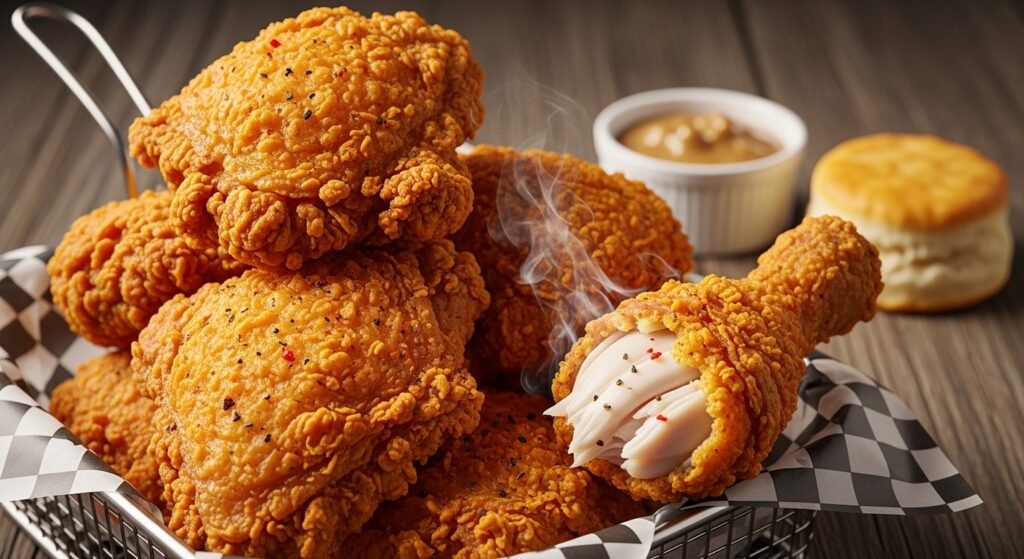
Are you craving that legendary crunch that only comes from a bright orange box? You are about to learn how to make Popeyes chicken right in your own kitchen. This guide will show you how to get those famous crispy ripples and juicy meat every single time. Get ready to impress your friends with a copycat recipe that tastes just like the real deal. It is easier than you think to master this southern style comfort food classic.
Understanding the Secret Behind Popeyes Iconic Fried Chicken
The magic of this chicken starts with the unique texture of the skin. Most fried chicken is just smooth and crunchy. Popeyes has those massive flakes and crags that hold extra flavor. This signature look comes from a specific science of moisture and flour meeting at the right time.
You have to think about the chemistry of the crunch to get it right. It is not just about dumping chicken into a pot of hot oil. The way the wet batter interacts with the seasoned flour creates those deep crevices. These little gaps are where the oil works its magic to create a shatteringly crisp exterior.
Making it at home means you can control the spice level and the quality of the bird. You get to skip the long drive-thru lines and eat the chicken while it is still piping hot. Once you learn the tricks, your homemade version might even beat the original. You will have full control over the savory umami flavors in every single bite.
Essential Kitchen Equipment for Professional Results

Having the right tools is the first step in learning how to make Popeyes chicken like a pro. You do not need a commercial kitchen, but a few specific items make a huge difference. Using the right gear ensures your safety and the quality of the final product.
Deep Fryer vs. Dutch Oven
A deep fryer is great because it keeps the temperature steady for you. However, a heavy Dutch oven is a fantastic alternative for home cooks. It holds heat really well and prevents the oil from cooling down too fast. You want something with thick walls to keep that vegetable oil or peanut oil at a constant sizzle.
The Role of a Meat Thermometer
You cannot guess when the chicken is done just by looking at the color. A meat thermometer is your best friend to ensure the internal temperature hits 165°F. This keeps the chicken safe to eat while ensuring it stays juicy and tender on the inside. Overcooking leads to dry meat, and undercooking is dangerous, so check every piece.
Prep Bowls and Wire Racks
- Separate Bowls: Use one large bowl for your dry flour mixture and a separate bowl for your wet batter.
- Wire Racks: Place your finished chicken on a wired rack instead of paper towels.
- Kitchen Tongs: Use these to flip the chicken gently without piercing the skin and losing juices.
- Parchment Paper: Line your baking sheets with this to make cleanup easy when resting the breaded meat.
Critical Tips for the BEST Fried Chicken Results
Before you start cooking, you need to know a few golden rules. These tips separate the amateur cooks from the fried chicken masters. If you follow these closely, you will nail the texture on your first try.
You should never fry chicken that is straight-up cold from the fridge. Let the meat sit out for about 30 minutes to reach room temperature. This helps the chicken cook evenly so the outside does not burn before the inside is done. It also helps the flour stick better to the skin.
When it comes to frying, depth is your friend. You need enough oil to completely submerge the chicken pieces. This ensures the heat hits every side at once for a perfect golden brown finish. If the chicken touches the bottom of the pot, the breading might stick and tear off.
Another big secret is the no-press rule. Do not press the flour into the meat with your hands. You want to toss the chicken gently so the flour naturally clings to the wet spots. This creates the airy, light flakes that people love about the signature taste. Lastly, let the breaded chicken rest for 15-20 minutes before frying to let the coating set.
Mastering the Signature Popeyes Marinade

The marinade is where the flavor lives in this copycat recipe. It is not just about salt; it is about changing the texture of the meat. A good soak makes the chicken incredibly tender and flavorful. This step is non-negotiable if you want that authentic experience.
The Role of Baking Soda
Adding a bit of baking soda to your marinade acts as a powerful meat tenderizer. It helps break down the proteins in the chicken breasts and thighs. This ensures that even the thickest pieces of meat stay soft and easy to bite through. It is a pro trick that many home cooks miss.
Saturation Strategy
You need to give the chicken time to soak up all those spices. Marinating for 12 hours or even overnight is the best way to get deep flavor. If you are in a rush, 4 hours is the absolute minimum you should aim for. The longer it sits, the more the moisture penetrates the fibers of the meat.
Viscosity Matters
The thickness of your marinade is very important for the final look. It needs to be thick enough to hold onto the flour but thin enough to flow into the gaps. This viscosity creates the “folding” effect when the chicken hits the dry batter. That folding is what creates those beautiful crispy kernels on the surface.
Ingredients and Exact Quantities
When you are learning how to make Popeyes chicken, precision is key. You want to have everything measured out before you start. This prevents a big mess and ensures every batch tastes the same.
The Chicken Base
- Chicken Pieces: 8 pieces total using thighs, legs, and breasts.
- Frying Oil: 6 to 8 cups of vegetable oil, canola oil, or peanut oil.
- Optional Fats: You can use beef tallow or lard for a more traditional southern style flavor.
The Popeyes Style Marinade (Wet Component)
- Eggs: 4 large eggs to act as the binder.
- Cold Water: 1/4 cup of ice water or very cold water.
- Hot Sauce: 1 tablespoon of your favorite hot sauce for a little kick.
- Salt: 1 teaspoon for basic seasoning.
- Paprika: 2 teaspoons to add color and a mild smokiness.
The Signature Dry Batter (Spiced Flour Mixture)
- All-Purpose Flour: 2 cups for the main base of the coating.
- Baking Powder: 2 tablespoons to help the crust puff up and stay light.
- Chili Powder: 1 teaspoon for a subtle warmth.
- Sazon: 1 packet or 2 teaspoons for that unique savory umami flavor.
- Garlic Powder: 1 teaspoon for a classic aromatic punch.
- Onion Powder: 1 teaspoon to round out the spice blend.
- Black Pepper: 1 teaspoon for a bit of spice.
- Cayenne Pepper: 1/2 teaspoon for mild heat or more if you want it spicy.
- Salt: 1 teaspoon to ensure the breading is not bland.
Step-by-Step Cooking Methods
Now it is time to put everything together. Follow these steps closely to ensure your kitchen turns out the best fried chicken on the block. Take your time with the breading because that is where the magic happens.
Preparing and Seasoning the Meat
Start by cleaning and trimming your chicken pieces. Pat them dry with paper towels to remove any excess moisture before the first seasoning. Sprinkle the salt and paprika directly onto the meat to build the first layer of flavor. Put the chicken into your marinade and let it rest in the fridge for at least 4 to 12 hours.
Preparing the Coating Stations
While the chicken comes to room temperature, set up your bowls. Whisk the eggs, cold water, and hot sauce in one bowl until it is smooth. In another large bowl, sift together the flour, baking powder, and all the spices. Make sure the spice blend is mixed thoroughly so every piece of chicken gets the same great taste.
The Advanced Breading Technique

- First Dredge: Take the chicken from the marinade and coat it lightly in the dry flour mixture.
- Wet Dip: Put the floured chicken back into the wet egg and water batter.
- Double Dredging: Place the chicken back into the dry flour for a second coating.
- The Toss: Shake the chicken in the flour gently about 20 times to build up the layers.
- The Shake: Aggressively shake off the excess flour to make the crispy kernels pop out.
The Frying Process

Heat your oil in your deep fryer or Dutch oven to 325°F or 350°F depending on your equipment. Carefully lower the chicken into the hot oil using kitchen tongs. Fry the pieces for 8-10 minutes for smaller parts or 15-18 minutes for larger bone-in pieces. Use your meat thermometer to make sure the internal temperature is exactly 165°F.
Post-Fry Management

Once the chicken is a perfect golden brown, you need to handle it with care. Don’t just toss it on a plate immediately. Proper cooling is just as important as the frying itself.
When you lift the chicken out, let the excess grease drain off for a second. Place the pieces on a wired rack over a baking sheet. This allows air to circulate around the whole piece so the bottom does not get soggy.
Let the chicken rest for about 5 minutes before you serve it. This allows the juices to redistribute inside the meat so they don’t run out when you take a bite. It also gives the crust time to fully harden and become that shatteringly crispy texture you want.
Serving Suggestions and Variations

You have mastered how to make Popeyes chicken, so now it is time to eat! You can serve these pieces as-is for a classic family dinner. Or, you can get creative and make a full-blown feast.
- The Sandwich: Place a fried breast on a toasted brioche bun with spicy mayo and thick-cut pickles.
- Spice Levels: Add extra cayenne pepper or ghost pepper powder to the dry batter for a serious heat boost.
- Classic Sides: Pair your chicken with buttery biscuits, mashed potatoes, and some spicy cajun gravy.
- Honey Drizzle: Many fans love drizzling a little bit of honey over the hot chicken for a sweet and salty combo.
Now you have all the knowledge needed to create a world-class meal. This copycat recipe brings the taste of the south right to your table. Grab your ingredients, start that marinade, and get ready for the best fried chicken of your life!
Frequently Asked Questions About Making Popeyes Chicken
What is the best way to reheat leftovers without losing the crunch?
To keep the chicken crispy, avoid the microwave at all costs. The best method is to use an air fryer at 375°F for about 3 to 4 minutes or a conventional oven at 400°F for 10 minutes. Placing the chicken on a wire rack in the oven allows hot air to circulate, preventing the bottom from becoming soggy.
Can I use cornstarch instead of baking powder in the flour?
While baking powder is used in the main recipe for “lift,” you can replace a portion of the flour with cornstarch to increase the crunch. A ratio of 70% all-purpose flour to 30% cornstarch creates a very glass-like, brittle crispness that holds up well against sauces.
Why does my chicken look dark brown instead of golden?
This usually happens because your oil is dirty or the temperature is too high. Flour particles that fall off the chicken during frying will burn at the bottom of the pot. If you are frying multiple batches, use a fine-mesh skimmer to remove these burnt bits between rounds to keep the oil clean and the color light.
How can I make a “Spicy” version of the Popeyes marinade?
The “Spicy” version at the restaurant relies heavily on a higher concentration of cayenne pepper and a dash of habanero powder in the marinade. You can also double the amount of hot sauce in the egg wash to ensure the heat is trapped between the meat and the breading layers.
Is it possible to make this recipe gluten-free?
Yes, you can substitute the all-purpose flour with a high-quality 1:1 gluten-free flour blend. However, you must ensure the blend contains xanthan gum to help the breading stick. Using crushed gluten-free cornflakes in the final dredge can also help mimic the “kernel” texture.
Does the type of salt matter for the seasoning?
Using Kosher salt is highly recommended over fine table salt. The larger grains of Kosher salt are easier to distribute evenly by hand, and they have a “cleaner” salty taste that doesn’t have the metallic aftertaste sometimes found in iodized table salt.
What should I do if my chicken is bloody near the bone?
This is a common issue with large drumsticks or thighs. If the outside is perfect but the inside is undercooked, finish the pieces in a 350°F oven for 5 to 8 minutes. This gentle heat will finish cooking the meat near the bone without burning the delicate crust.
Can I use buttermilk instead of the egg and water mixture?
Many people prefer buttermilk for southern fried chicken because the lactic acid further tenderizes the meat. If you use buttermilk, you can skip the cold water. The thick consistency of buttermilk actually helps the flour “clump” better, which is great for creating those signature Popeyes ridges.
Why did my breading turn out doughy or soft?
Doughy breading usually means the oil temperature dropped too low when you added the chicken. If you crowd the pot, the oil temperature can plummet, causing the breading to soak up oil rather than frying instantly. Always fry in small batches to keep the oil sizzling.
Can I air fry this recipe instead of deep frying?
You can, but the texture will be different. To get a similar result in an air fryer, you must spray the breaded chicken very generously with oil until no dry flour is visible. Air fry at 370°F, flipping halfway through, until the internal temperature reaches 165°F.
How do I store the leftover dry flour mixture?
If the flour has touched raw chicken, you must throw it away to avoid cross-contamination. If you have extra flour that stayed in the container, store it in an airtight jar in a cool, dry place. It will stay fresh for as long as the expiration date on the original flour bag.
Does the age of the chicken affect the fry?
Fresher is always better. Chicken that has been frozen and thawed multiple times loses its cellular structure, which can lead to “purging” or leaking water into the oil. This steam can blow the breading off the meat during the frying process.
What is the best hot sauce to use for the authentic flavor?
While any cayenne-based hot sauce works, many enthusiasts swear by Louisiana Brand Hot Sauce or Crystal. These sauces provide the vinegar-forward tang that is characteristic of Louisiana-style fried chicken without being overwhelmingly spicy.
Can I double-fry the chicken for extra crispiness?
Double frying is a common technique in Korean fried chicken. You fry it once at a lower temp to cook the meat, let it rest, and then flash-fry it at 400°F for 1 minute to shatter the crust. It works well but requires careful timing to avoid drying out the meat.
How do I keep the chicken warm while finishing other batches?
Set your oven to its lowest setting (usually “Warm” or 170°F). Place a wire rack on a baking sheet and put the finished chicken inside. This keeps the chicken safe and hot without continuing the cooking process significantly or making the skin soft.
Why does Popeyes chicken sometimes have a yellow tint?
That golden-yellow hue often comes from the addition of turmeric or cornmeal in the breading, or the use of Sazon. In our recipe, the Sazon and paprika provide that specific color. Without them, the chicken would look more pale or grayish-tan.
What can I use as a substitute for Sazon?
If you cannot find Sazon packets, you can make a quick version by mixing equal parts ground annatto (achiote), cumin, coriander, and garlic powder. The annatto is the key ingredient that provides the signature orange-red color.
Should I remove the skin before breading?
No, you should keep the skin on. The skin acts as a barrier that keeps the meat juicy and provides the fat necessary to crisp up the flour layers. Breading skinless chicken often results in a dry, tough exterior.
Can I fry chicken in olive oil?
Olive oil is not recommended for this recipe because it has a low smoke point. It will begin to burn and smoke at 350°F, giving the chicken a bitter, burnt taste. Stick to high-heat oils like vegetable, corn, or peanut oil.
How many pieces can I fry at once?
In a standard 6-quart Dutch oven, you should limit yourself to 3 or 4 pieces at a time. This ensures there is enough space for the oil to circulate around each piece and prevents the temperature from dropping too far below the target 325°F.