Skip to content
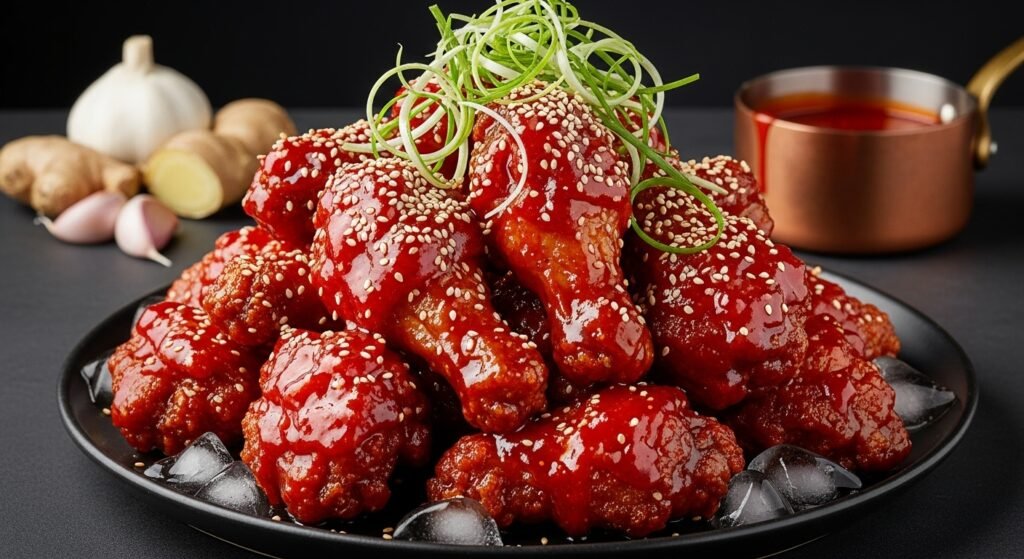
The world of flavors is vast but few things beat yangnyeom sauce. This sticky red glaze is the secret behind that famous Korean fried chicken vibe. It hits every part of your tongue at once. You get a little heat and a lot of sweet. There is plenty of savory umami to keep you coming back. If you have ever seen that bright red glossy coating, you know exactly what we are talking about. It is truly the red marvel of the culinary world.
Introduction to Yangnyeom
Yangnyeom sauce is more than just a simple condiment. It is a staple that defines a whole style of eating. In Korea, food is rarely just about fuel. It is about the balance of intense flavors. This sauce is the perfect example of that philosophy.
Definition of Yangnyeom
The word yangnyeom literally means seasoned or seasoning in the Korean language. It comes from a combination of words that imply medicinal ingredients. In ancient times, Koreans believed that good food was the best medicine. Today, it refers to a specific mix of spices used for proteins. It is most famous for its role in chicken dishes.
The Red Marvel Aesthetic

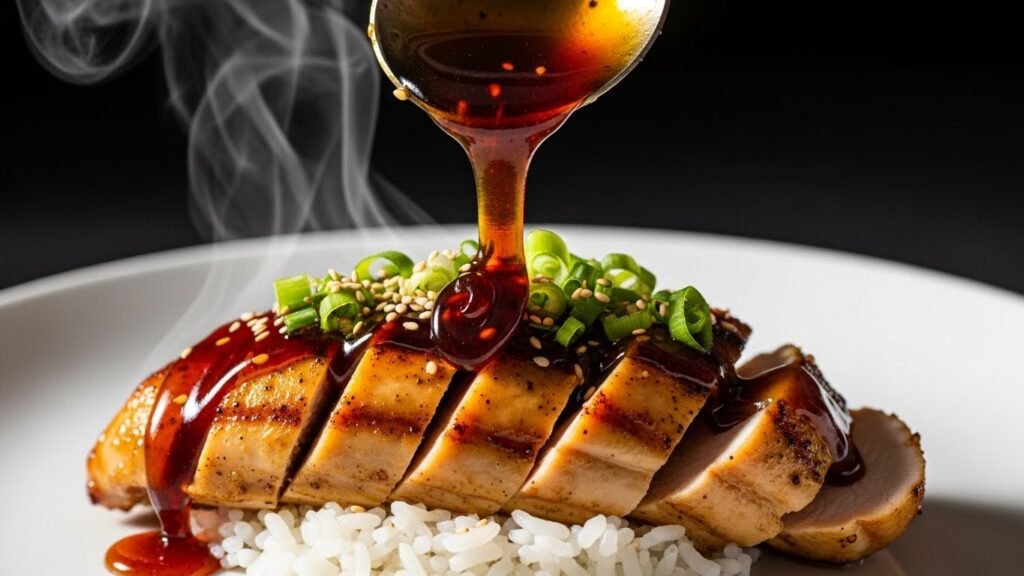
This sauce is famous for its incredible visual appeal. It has a signature deep red color that looks like liquid rubies. The texture is glossy and often translucent when held to the light. It creates a thick coating that clings to crispy skin. This sheen comes from the specific way sugars are cooked down. It makes the food look as good as it tastes.
Versatility Beyond Chicken
While chicken made it famous, yangnyeom sauce is a universal hero. You can use it as a glaze for crispy fried tofu. It works wonders on grilled pork ribs or meatballs. Some people even toss crispy chickpeas or shrimp in it. It is basically an everything sauce for anyone who loves spice.
The Evolution of the Sauce
The story of this sauce is a mix of old traditions and new global influences. It shows how Korean food adapts to the times.
Traditional Roots
The heart of the sauce is gochujang, which is a fermented chili paste. This ingredient has been around for centuries in Korea. Traditional sweeteners were usually natural products. People used honey or a special rice syrup called jjocheong. These ingredients gave the sauce a deep and earthy sweetness.
Modern Adaptations
Modern times brought new ingredients into the mix. During the mid-20th century, Western products like ketchup became popular. Chefs found that ketchup added a nice tang and helped the color. Some recipes even started using strawberry jam for a fruity kick. These changes made the sauce more accessible to people all over the world.
The Science of the Perfect Glaze
Making a great yangnyeom sauce involves some cool kitchen science. It is all about how you handle the heat and the sugars.
Understanding the Maillard Reaction vs. Caramelization
The Maillard reaction happens when proteins and sugars brown together. This creates the savory flavor in the chicken under the sauce. Caramelization is what happens to the sugar in the sauce itself. Using honey or jam adds different types of sugars like fructose. These sugars brown at lower temperatures than white sugar. This creates a more complex flavor profile in your glaze.
The Role of Emulsification
An emulsion is when you mix things that usually stay apart, like oil and water. The chili oil and the water-based gochujang need to play nice. Ketchup acts as a stabilizer in this recipe. It contains pectin and vinegar which help hold the sauce together. This ensures your sauce stays smooth and doesn’t separate on the plate.
Comprehensive Ingredient Breakdown

To make the best yangnyeom sauce, you need to understand your tools. Every ingredient has a specific job to do.
The Pungent and Spicy Base
- Gochujang (Korean Red Chili Paste): This is the essential backbone of the flavor profile. It provides the heat and that deep fermented umami taste.
- Minced Garlic: You cannot be shy with the garlic here. It adds a sharp and aromatic funk that defines Korean savory food.
- Fresh Ginger: This adds a refreshing and slightly spicy bite. It helps cut through the heavy grease of fried foods.
The Sweetening Agents
- White Sugar: This provides the main structure and allows for easy caramelization.
- Honey: This gives the sauce a floral note and a very smooth texture.
- Strawberry Jam: This is the secret weapon for a thick and jammy consistency. It adds a subtle fruity depth that surprises the palate.
Savory and Acidic Balancers
- Soy Sauce: This is used for its saltiness and to deepen the red color.
- Ketchup: This adds a necessary tang and helps the sauce stick to the food.
- Cream of Tartar: This is a pro tip to keep the sugar from turning into crystals. It keeps your sauce perfectly smooth as it cools down.
Oils and Textural Additions
- Chili Oil: This adds an extra layer of heat and a beautiful oily glow.
- Toasted Sesame Seeds: These add a nutty flavor and a nice crunch. They also look great as a garnish on the finished dish.
Master Ingredient List and Quantities
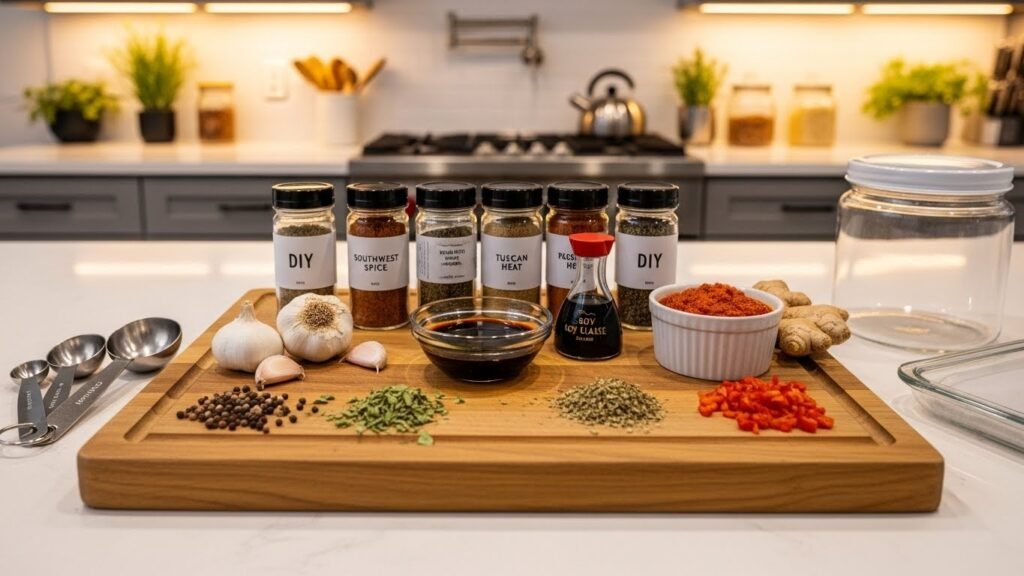
Here is exactly what you need to gather for a professional-grade batch.
The Caramelized Syrup Base
- 1 Cup White Sugar
- 1/3 Cup Water
- 1/8 tsp Cream of Tartar
The Savory Sauce Mixture
- 1/4 Cup Gochujang
- 3 Tbsp Ketchup
- 1 Tbsp Strawberry Jam
- 2 Tbsp Soy Sauce
- 1 Tbsp Honey
- 2 Tbsp Water
- 1 Tbsp Chili Oil
- 5 Cloves Garlic, minced
- 1 Inch Ginger, sliced
- 1 Tbsp Toasted Sesame Seeds
Step-by-Step Cooking Methods
There are two main ways to bring this sauce to life. Pick the one that fits your style and time.
Method 1: The Caramelization Technique

This method is for those who want that professional mirror-like gloss.
- Preparing the Sugar Syrup: Mix the sugar, water, and cream of tartar in a pot. Do not stir it too much once it gets hot.
- The Amber Stage: Watch the pot closely as the bubbles get smaller. You want a light amber color for the best flavor.
- The Deglazing Process: Turn off the heat before adding your sauce mix. Whisk quickly so the syrup does not seize up.
Method 2: The Quick Skillet Glaze
This is the fast and easy way that still tastes amazing.
- Whisking the Cold Base: Put the ketchup, gochujang, jam, and honey in a bowl. Whisk it until it is a smooth red liquid.
- Low and Slow Reduction: Pour it into a skillet over medium-low heat. Stir it for 2 to 3 minutes until it starts to bubble.
Advanced Techniques and Regional Variations

Once you master the basics, you can start to play with the recipe. Different parts of Korea have their own little secrets.
Adjusting Heat Profiles
- Mild (Sun-Han-Mat): Use more ketchup and honey to dampen the spice. This is great for kids or people who are spice-shy.
- Extra Spicy (Mae-Un-Mat): Add some gochugaru or fine chili powder. You can even add a few drops of capsaicin if you are feeling brave.
The Fruit-Forward Yangnyeom
Some traditional chefs love to use fresh fruit in their sauce. You can grate an Asian pear or a sweet apple into the mix. The enzymes in the fruit help tenderize the meat if used as a marinade. It also adds a very clean and natural sweetness.
Garlic-Heavy Variations
In the city of Uijeongbu, they love their garlic. They often double the amount of garlic in the sauce. This creates a very pungent profile that lingers on the tongue. It is bold and perfect for those who love strong aromatics.
Technical Culinary Tips for Success
Cooking with high-sugar sauces can be tricky. Use these tips to avoid common kitchen disasters.
Achieving the Perfect Consistency
- The Nappe Test: Dip a spoon into the sauce and run your finger across the back. If the line stays clear, your sauce is thick enough.
- Removing Aromatics: Make sure to take out the ginger slices before serving. You want the flavor of the ginger without the woody texture.
Managing Heat and Sugar
- Watch the Burn: Sugar can go from perfect to burnt in seconds. Keep your heat on medium-low and never stop stirring.
- Balance the Spice: Taste your sauce as you go. If it is too hot, add a little more honey or sugar.
Preventing Crystallization
- Acid is Your Friend: The vinegar in ketchup or the cream of tartar is key. These acids break down the sucrose and keep it liquid.
- Clean Sides: Use a wet brush to wipe sugar crystals off the side of the pot. This prevents a chain reaction that makes the whole batch grainy.
Dietary Adaptations and Substitutions
Everyone should be able to enjoy the magic of yangnyeom sauce. You can easily tweak it for different needs.
Making it Vegan
- Sweetener Swaps: Use agave nectar or brown rice syrup instead of honey.
- Check Labels: Make sure your gochujang does not contain shrimp paste or fish sauce. Most modern brands are vegan, but it is good to check.
Gluten-Free Solutions
- Soy Sauce Alternatives: Use tamari or liquid aminos for that salty kick.
- Safe Paste: Some gochujang is made with wheat or barley. Look for certified gluten-free brands made with rice flour.
Low-Sugar Alternatives
- Natural Sweeteners: You can use monk fruit sweetener for the base.
- Sugar-Free Jams: Look for allulose-based strawberry jams. These will still give you that thick texture without the sugar spike.
Application and Serving Suggestions

How you put the sauce on the food is just as important as how you make it.
The Art of the Toss
- The Hot-on-Hot Rule: Coat your hot fried chicken with warm sauce. This helps the glaze melt into the tiny nooks and crannies.
- Bowl Tossing: Use a large metal bowl to toss the food. This gives you an even coating without breaking the crispy skin.
Recommended Pairings
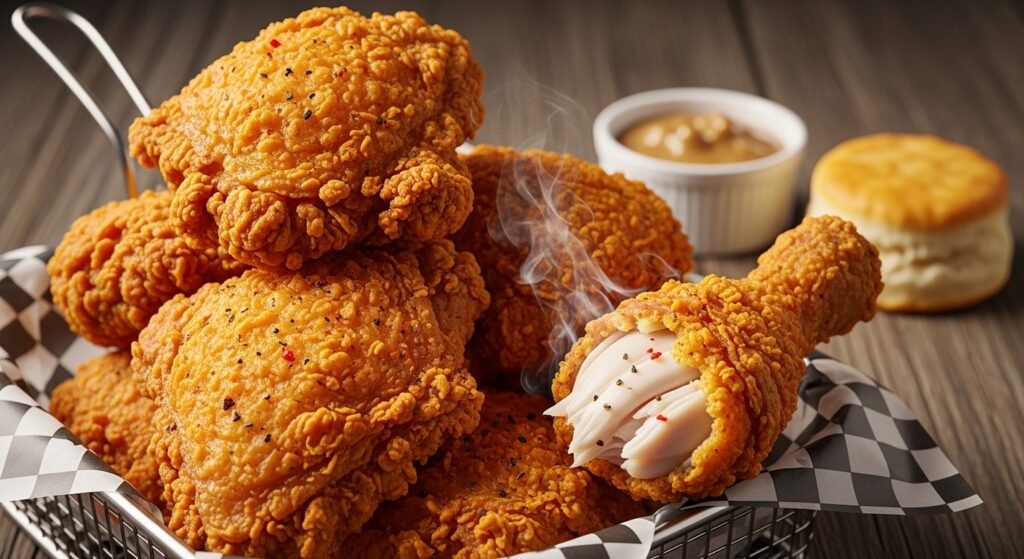
- Korean Fried Chicken: This is the gold standard for wings and drumsticks.
- Plant-Based Alternatives: Try it on crispy chickpeas or fried cauliflower bites.
- Proteins: It makes an incredible glaze for pork belly or grilled shrimp.
Garnish and Presentation

- The Crunch Factor: Always finish with a heavy sprinkle of toasted sesame seeds. You can also add crushed peanuts for extra texture.
- Fresh Contrasts: Thinly sliced scallions add a bright green color. Soak them in ice water first so they curl up and stay crunchy.
Troubleshooting Common Issues
Don’t panic if your sauce doesn’t look right at first. Most things are easy to fix.
Why is my sauce too runny?
- Under-Reduction: You might just need to simmer it for another minute.
- Corn Syrup Fix: Adding a small spoonful of corn syrup can help thicken it fast. It also adds that extra bit of shine.
Why is my sauce too thick or sticky?
- Too Much Heat: You might have cooked it a bit too long.
- The Water Cure: Whisk in a tablespoon of warm water at a time. This will thin it out without ruining the flavor balance.
Why did my sauce turn bitter?
- Burnt Sugar: If the syrup gets too dark, it will taste like burnt toast.
- Burnt Garlic: Garlic turns bitter if it browns too much in the skillet. Keep the heat low to avoid this problem.
Storage and Meal Prep
You can make a big batch of this sauce and keep it for later. It is great for busy weeknights.
- Airtight Containers: Store the sauce in a glass jar with a tight lid.
- Shelf Life: It will stay fresh in the refrigerator for up to 2 weeks.
- Reheating: Warm it up in a pan over low heat. If you use a microwave, do it in short bursts so it doesn’t separate.
Conclusion: The Cultural Impact of Yangnyeom
Yangnyeom sauce has traveled from local Korean markets to the whole world. It is a symbol of how flavors can bring people together. Whether it is on a chicken wing or a piece of tofu, it is pure joy. Every home cook should try making their own signature version. Once you get that perfect balance of sweet and spicy, there is no going back.
Frequently Asked Questions
What is the best type of chicken to use with yangnyeom sauce?
Bone-in, skin-on drumettes and flats are traditional because they offer more surface area for the glaze to cling to. However, boneless thighs are a popular modern alternative for easier eating.
Can I substitute gochugaru for gochujang?
No. Gochugaru is a dry flake, while gochujang is a fermented paste. Gochujang provides the thick, syrupy body and salty depth that flakes cannot replicate alone.
Is yangnyeom sauce the same as Dakgangjeong sauce?
They are very similar, but Dakgangjeong sauce typically contains more syrup and is cooked longer to achieve a harder, candy-like crunch once cooled.
Can I use this sauce as a marinade for raw meat?
It is better as a glaze. Because of the high sugar content, the sauce will burn on a grill or in a pan before the raw meat is fully cooked.
How do I make the sauce extra glossy for photography?
Adding a small amount of liquid glucose or corn syrup at the very end of the cooking process will create a professional, mirror-like finish.
Why is my sauce separating after I mixed in the oil?
This happens if the sauce is too cold when the oil is added. Re-heat the mixture gently and whisk vigorously to re-establish the emulsion.
Can I replace the ginger with ginger powder?
You can, but the flavor will be flatter. Use 1/4 teaspoon of powder for every inch of fresh ginger, but fresh is highly recommended for the aromatic “lift.”
What kind of vinegar works best if I want more tang?
Rice vinegar is the standard choice as it is milder and sweeter than white or apple cider vinegar.
Is there a way to make the sauce without a stove?
You can whisk the ingredients in a microwave-safe bowl and heat in 30-second intervals, stirring between each, until the sauce bubbles and thickens.
Why does my sauce taste too salty?
This is often due to the brand of soy sauce or gochujang used. Balance the salt by adding a teaspoon of honey or a splash of water.
Can I freeze yangnyeom sauce?
Yes. It freezes well for up to three months. Thaw it in the refrigerator and whisk it over low heat to restore the texture.
Does the sauce contain alcohol?
Many commercial gochujang brands use a small amount of alcohol (grain spirit) as a preservative. Check the label if you require a strictly halal or alcohol-free version.
What is the best way to clean a pot with burnt yangnyeom?
Soak the pot in hot water with baking soda. The alkaline soda will help break down the carbonized sugars without heavy scrubbing.
Can I use maple syrup instead of honey?
Yes, but maple syrup has a distinct woody flavor that will change the traditional profile of the sauce.
Is yangnyeom sauce healthy?
It is high in sugar and sodium, making it a treat rather than a health food. However, gochujang and garlic offer probiotic and antioxidant benefits.
How do I stop the sesame seeds from falling off the chicken?
Ensure the sauce is still hot and “tacky” when you sprinkle the seeds. Once the sugar sets and cools, it acts as a glue.
Can I use a blender to mix the sauce?
Yes, blending is helpful if you are using fresh chunks of fruit like pear or apple to ensure a completely smooth texture.
Why is my sauce dark brown instead of bright red?
This happens if the soy sauce ratio is too high or if the sugar has been over-caramelized into a dark syrup.
Is it necessary to toast the sesame seeds?
Toasted seeds provide a much deeper nutty aroma. Raw seeds are edible but lack the flavor complexity needed to balance the sweet heat.
Can I use this sauce for Korean Tacos?
Absolutely. It is an excellent fusion topping for pork or beef tacos, especially when paired with a lime-infused slaw.