Skip to content
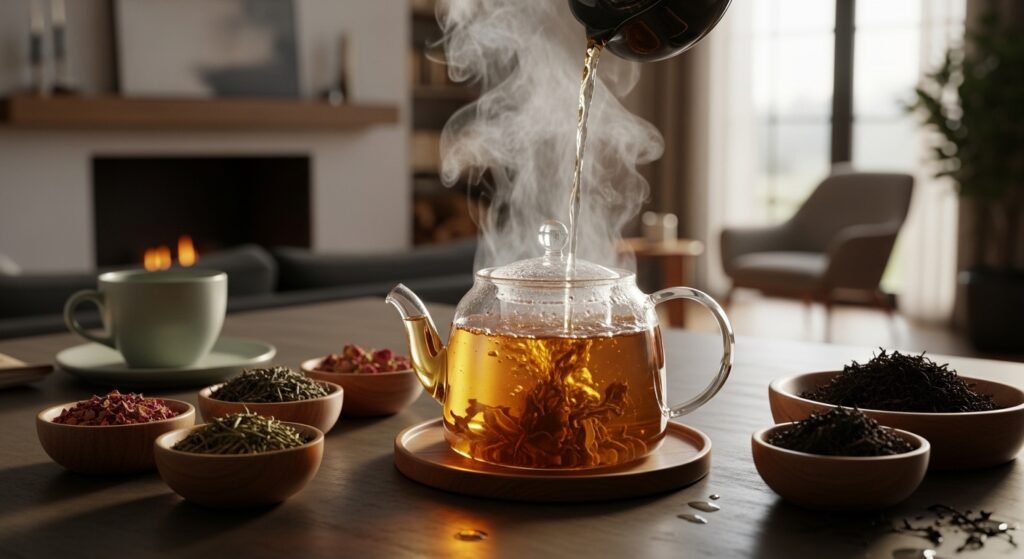
Wondering how we can make tea like a total pro? There is not a single problem in this world that cannot be solved over a really nice cup of tea. I get just as much joy out of the preparation as I do from the actual drinking. There is something super relaxing about just going through the motions of brewing. Your stress starts to ease away before you even sit down with your mug. Today we are talking all about how we can make tea and get the best flavor ever. Whether you want a chill chamomile or a tasty sweet tea, we have got you covered.
Introduction to the Art of Tea Preparation
The philosophy of tea is all about the vibe of the process. It is a ritual that turns a simple drink into a moment of pure peace. Making tea is a great way to practice mindfulness in your busy day. You get to slow down and focus on the water and the leaves. It is honestly one of the best ways to kick back and relax.
A perfect cup of tea is a mix of science and what you like best. You have to balance the temperature and the time just right. But at the end of the day, the best cup is the one you enjoy most. It is about finding that sweet spot between the rules and your own taste. Learning how to make tea properly will change your morning routine forever.
Essential Teaware and Tools for the Modern Brewer

Heating Vessels and Temperature Control
You need a good way to get your water hot before you start. A traditional stovetop kettle is the classic choice for many people. It has that nostalgic whistle that tells you it is go time. Electric kettles are also awesome because they are super fast and easy. They are perfect for people who are always on the move.
- Temperature-Control Kettles are the real MVP for tea lovers. They let you pick the exact heat for different types of leaves.
- Electric Kettles plug right into the wall and boil water in a flash.
- Traditional Kettles sit on your stove and look really cool in your kitchen.
- Thermal Carafes help keep your tea warm if you forget about it.
Steeping and Serving Vessels
Presentation is just as important as how the tea actually works. Tea-for-one sets are perfect if you are hanging out by yourself. They usually come with a small pot that fits right on top of a cup. Traditional teapots come in glass, ceramic, or clay styles. Each material holds heat a little bit differently.
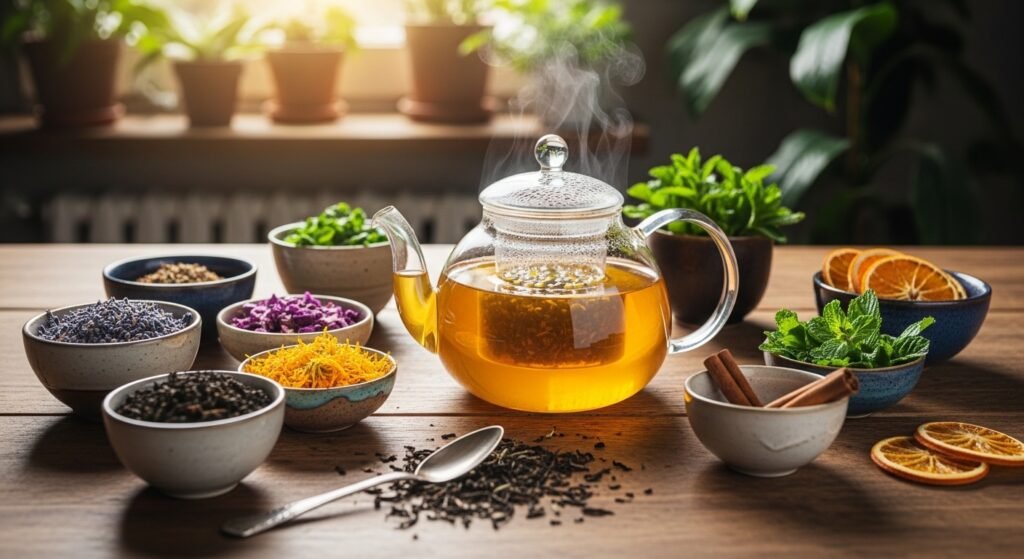
- Glass Teapots let you see the beautiful colors of the leaves dancing.
- Ceramic Pots are great at keeping your tea hot for a long time.
- Tea-for-one Sets make cleaning up after your tea break a breeze.
- Matching Saucers keep your table clean from any drips or spills.
Strainers and Infusion Tools
First off, you will want something to steep your tea in. Some people like to steep it straight in the cup and use a strainer. Others prefer using an infuser that sits right in the water. Strainers are the best if you want to avoid leaves in your teeth. You can even get cute ones like dragonfly strainers that sit on top.
- Basket Strainers give the leaves plenty of room to open up.
- Tea Ball Infusers have a little chain so you can pull them out easily.
- Infuser Tongs work just like tea bags but with fresh loose leaf.
- Victorian Nest Infusers add a touch of fancy style to your mug.
Selecting the Right Tea Blend for Every Occasion
Caffeinated Classics

There is an appropriate tea for every single situation you face. If you need a wake-up call, go for a bold black tea. It is strong enough to replace your morning cup of coffee. Oolong and green teas are also great for a nice energy boost. They have a fresh taste that keeps you going all day.
- Black Tea is bold and stands up well to milk and sugar.
- Green Tea has a grassy and light flavor that feels very fresh.
- Oolong Tea can be floral or toasty depending on how it is made.
- White Tea is the most delicate and has a very soft taste.
Herbal and Caffeine-Free Options
Soothing herbal teas are the best for winding down at night. They do not have caffeine so they won’t keep you awake. Chamomile is a classic choice for relaxing before you hit the hay. You can also find blends that are perfect for light evening work. These have just enough caffeine to keep you focused but not jittery.
- Chamomile is like a warm hug in a mug for bedtime.
- Peppermint is super refreshing and can help settle your stomach.
- Rooibos is a red tea from Africa that is naturally sweet.
- Fruit Blends are bright and colorful and taste great iced too.
The Science of Water Selection
Why Water Quality Matters
Water is almost as important as the tea leaves themselves. You might think water has no taste, but it really does. It has a huge impact on how we can make tea taste good. Pure water lets the floral and earthy notes of the tea shine. Bad water can make an expensive tea taste like nothing at all.
Using the wrong water can be a total bummer for your brew. Some people find their tea tastes different at home than in shops. This is usually because of the water they are using. You want water that brings out the sweetness in the leaves. It is worth paying attention to what comes out of your tap.
Comparing Water Sources
Choosing your water wisely is a secret pro tip for tea. Tap water can be okay depending on where you actually live. But often, tap water makes the tea come out way too bitter. Spring water is usually the best choice for a great cup. It gives the tea more body and a better overall feel.
| Water Type | Pros | Cons | Best For |
| Spring | Natural minerals, great taste | Can be expensive | High-end Oolong |
| Filtered | Cheap, removes chlorine | Needs filter changes | Daily Black Tea |
| Tap | Free and easy | Often tastes like chemicals | Strong Chai |
| Distilled | No impurities | Tastes very flat | Not recommended |
- Spring Water adds a nice mineral sweetness to your favorite blend.
- Filtered Water is a good backup if you don’t want bottles.
- Distilled Water tastes very flat and makes tea lose its life.
- Tap Water might have chlorine which ruins the delicate tea smells.
Mastering Heat and Temperature Management
Optimal Temperatures by Tea Type

Making tea at the right temperature is a huge deal. It is the difference between perfection and a bitter mess. Darker oolongs and black teas love water that has just boiled. You can pour it right on the leaves without any worry. They are tough enough to handle the high heat just fine.
Delicate teas like green and white need a softer touch. You should remove the water just before it starts to boil. It should be barely simmering when you pour it out. If you let it boil, the tea will taste very burnt. Always keep an eye on your kettle when making these.
- Black Tea needs 212°F water to get all the flavor out.
- Green Tea likes it cooler around 175°F so it stays sweet.
- White Tea is also a fan of cooler water for its soft notes.
- Herbal Tea usually does best with full boiling water.
The Dangers of Overheating
If you accidentally let your water boil for green tea, wait. Let it sit and cool off for about five minutes. This lets the temperature drop to a safe level for leaves. Using water that is too hot will make tea bitter. You would need tons of sugar to fix that mistake.
The Case Against the Microwave
Whatever you do, just do not use the microwave. Microwaves do not heat the water evenly for your tea. It can lead to hot spots and weird tasting water. It also messes with the oxygen levels in the water. This prevents the tea leaves from releasing their best flavors.
The Steeping Process: Timing and Technique
Determining Tea-to-Water Ratios
Now you have to decide how much tea to use. A general rule is a teaspoon for each cup. You also add one extra teaspoon for the teapot itself. This ensures the flavor is strong enough for everyone drinking. It is a simple trick that works every single time.
- One Teaspoon per eight ounces of water is the standard.
- Cold Brew might need a little more tea since it sits longer.
- Strong Tea lovers can add an extra half scoop if needed.
- Large Leaves take up more space so you might need more.
Timing Your Steep
Now for the hardest part: steeping for the right time. You cannot forget about it for half an hour. Most teas should steep for about three to five minutes. If you leave it too long, it will get very bitter. Use a timer on your phone to keep track.
The Art of Re-Steeping

If you don’t steep too long, tea is good for more. You can often get two or even three cups out. Each steep will have a slightly different flavor profile. It is a great way to save money and enjoy more. Some teas actually taste better on the second round.
Finishing Touches and Customization
To Sweeten or Not to Sweeten?
Now for the fun part: adding the finishing touches. Most flavored teas are wonderful just as they are. They have enough flavor that they don’t need sugar. But sometimes you might want a little extra sweetness. It is all about what makes your taste buds happy.
Milk, Cream, and Alternatives
You might want to mellow out a spicy chai tea. Adding a splash of milk or cream can do that. It makes the tea feel much richer and smoother. Some people love a good tea latte in the morning. It is a creamy treat that feels very fancy.
Creative Add-ins and Variations

Your taste will gradually develop as you drink more tea. You will figure out what unique additions you really like. There are so many different ways to enjoy your cup. You can even try a tea steamer for a change. Do not be afraid to experiment with new things.
- Honey is a natural way to add a soft sweetness.
- Lemon can brighten up a cup of black or green tea.
- Cinnamon adds a warm spice that is great in the winter.
- Fresh Mint makes any tea feel super cooling and bright.
Conclusion: Developing Your Personal Tea Palate
Learning how we can make tea is a fun journey. It takes time to find exactly what you love most. Every cup you brew is a chance to learn more. Before you know it, you will be a tea expert. Just remember to relax and enjoy every single sip.
FAQs About Mastering the Perfect Brew
Can you use the same tea leaves for iced tea and hot tea?
Yes, you can use the same loose leaf blends for both styles. For iced tea, you just need to make a stronger concentrate since ice will melt into it. Most people prefer fruity or floral blends when drinking tea cold.
Is it okay to leave the tea leaves in the mug while drinking?
Leaving the leaves in is called “grandpa style” brewing and works for some teas. It is best for heavy leaves that sink to the bottom and do not get bitter fast. Many green teas or herbal blends might get too strong if you leave them in too long.
How should you store your loose leaf tea to keep it fresh?
You should keep your tea in a cool, dark, and dry place. Airtight tins are the best choice to block out light and smells from your kitchen. Avoid keeping your tea near the stove or in the fridge where moisture can ruin it.
Does loose leaf tea ever actually expire or go bad?
Tea does not really rot, but it loses its flavor and aroma over time. Most teas stay fresh for about six months to a year if stored correctly. After that, it might just taste like dusty hay instead of delicious tea.
Can you brew tea using cold water instead of hot water?
Cold brewing is a great way to make tea without any bitterness. You just put the leaves in cold water and let them sit in the fridge for several hours. This method extracts flavor slowly and creates a very smooth and sweet drink.
Why do some teas make your mouth feel dry after drinking?
That dry feeling comes from tannins, which are natural compounds found in tea leaves. If your tea is too dry or “astringent,” you might be steeping it for too long. Adding a bit of honey or milk can also help soften that feeling.
Is it safe to eat the tea leaves after you brew them?
Most tea leaves are safe to eat, though they might not taste very good on their own. Some people use spent green tea leaves in salads or smoothies for extra nutrients. Just make sure you are using high-quality tea that is free from pesticides.
What is the best way to clean a stained tea mug?
Tea stains can be tough, but baking soda is a magic eraser for your mugs. Just make a paste with a little water and scrub the brown rings away. It is much better for your gear than using harsh chemical bleaches.
Can you mix different types of tea leaves together?
Mixing teas is a fun way to create your own signature “house blend” at home. You can mix a bit of peppermint with your black tea for a refreshing twist. Just try to match teas that require similar water temperatures for the best results.
Does the shape of the teacup change the way tea tastes?
The shape of the cup affects how the aroma hits your nose while you sip. Wide, shallow cups let the tea cool faster and spread the scent around. Tall, narrow mugs keep the tea hot and concentrate the flavor in one spot.
Should you wash your teapot with soap every time?
Many tea fans believe you should only rinse your teapot with hot water. Over time, the tea oils build up a “seasoning” that makes future pots taste better. If you use a glass pot, a little gentle soap is fine to keep it looking clear.
Is it better to put milk in the cup before or after the tea?
This is a classic debate, but putting milk in after the tea is usually better. It allows you to see the color change so you do not add too much. It also ensures the tea stays hot enough to infuse properly before the milk cools it down.
Can you use a French press to make loose leaf tea?
A French press is a fantastic tool for brewing large batches of loose leaf tea. It gives the leaves plenty of room to move around and filter easily. Just make sure you do not press down too hard, or you might crush the leaves.
Why does a film or “scum” sometimes form on top of the tea?
That thin film is usually caused by minerals in hard water reacting with the tea. It is not harmful, but it can look a bit messy in your cup. Using filtered water or adding a drop of lemon juice will make it disappear.
Does caffeine stay in the leaves during the second steep?
Most of the caffeine comes out during the very first minute of the first steep. If you re-steep your leaves, the second and third cups will have much less caffeine. This makes re-steeped tea a good choice for later in the afternoon.
Can you use local honey to change the flavor of your tea?
Local honey is a great way to add a floral touch that matches your area. Different flowers produce different honey flavors, like orange blossom or clover. It is a natural way to boost the sweetness without using white sugar.
What is the difference between an infusion and a decoction?
An infusion is when you pour hot water over leaves and let them sit. A decoction is when you actually boil tougher items like roots or bark in water. Most tea you make at home will be a simple infusion.
How can you tell if your water is at the right temperature without a thermometer?
Watch the bubbles in the pot to guess the heat level. “Shrimp eyes” are tiny bubbles for green tea, while “string of pearls” are medium bubbles for oolong. When the water is a rolling boil, it is ready for black tea.
Is it okay to use a microwave to reheat tea that went cold?
You can reheat tea in the microwave, but it might change the flavor slightly. It is usually better to just make a fresh cup if you want the best taste. If you must reheat it, do it in short bursts so you do not scorched it.
Why do some people put a pinch of salt in their tea?
A tiny pinch of salt can actually reduce the bitterness in a strong cup of black tea. It blocks the bitter receptors on your tongue and makes the tea taste smoother. It is an old trick that works surprisingly well for over-steeped cups.