Skip to content
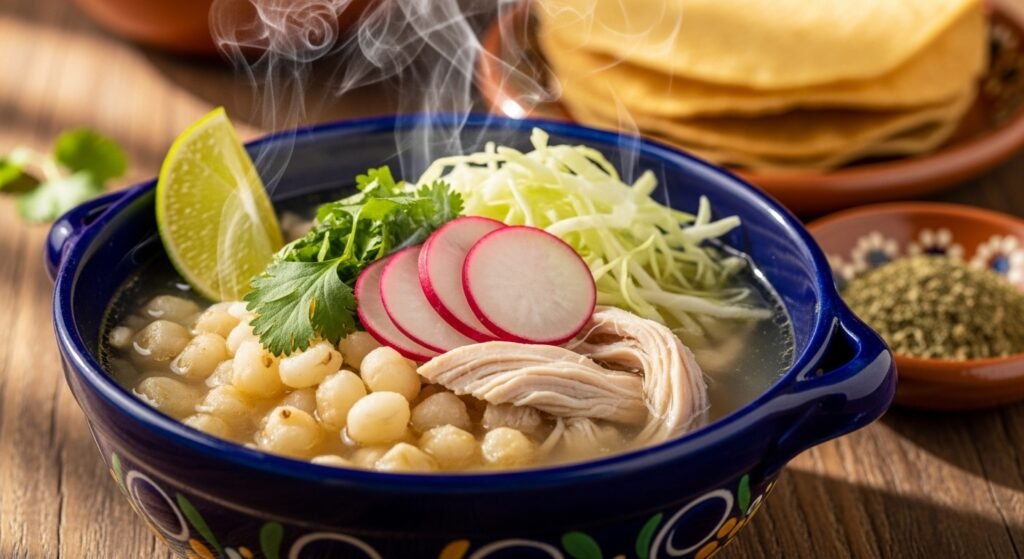
If you love a bowl of soul-warming soup, you need to know about pozole blanco. This classic dish is a rockstar of Mexican cuisine. It is a clear and hearty soup that hits all the right spots. People call it Mexican penicillin because it makes you feel great. Unlike other versions, this one keeps things simple and pure. It does not use heavy red or green sauces. Instead, you get to taste the amazing corn and rich chicken. This guide will help you make the best bowl ever. Get ready to fall in love with these traditional flavors.
The Historical and Cultural Roots of Pozole
Pozole has a very long history that goes back to the Aztecs. They considered corn to be a sacred plant. This soup was often served during important rituals. Over time, the recipe changed and spread across Mexico. It evolved from a sacred meal to a family favorite. Today, it represents the heart of Mexican tradition. Every bowl tells a story of the past.
Pre-Columbian Origins
In the old days, corn was the most important crop. The Aztecs used a special process called nixtamalization to prepare it. This made the corn easier to eat and very healthy. The word pozole comes from a word meaning foamy. This describes how the corn looks when it cooks and opens up. It was a dish for the elite and for special days. Now, anyone can enjoy this ancient and tasty meal.
A Dish for Celebration
You will always find pozole blanco at a big Mexican party. It is the star of the show for Mexican Independence Day. Families also make it for Christmas and big birthdays. It is a meal that brings everyone together at the table. People love to share a big pot with their friends. It is more than just food; it is a celebration. Nothing says “party” like a giant pot of bubbling soup.
The Mexican Penicillin Moniker
Many people swear by pozole blanco when they feel sick. It is famous for helping people get over a cold. The warm broth and garlic are like a big hug. It is also the go-to cure for a rough hangover. The hearty hominy gives you energy to face the day. It really is a magic bowl of comfort and health. One sip and you will see why people love it.
Understanding the Essence of Pozole Blanco
To make great pozole blanco, you have to understand it. It is all about the balance of simple ingredients. You want a broth that is clear but very tasty. The hominy should be tender and have a nice bite. It is the perfect base for all your favorite toppings. This soup lets the natural flavors of the corn shine.
The Blanco Difference
What makes this version white or “blanco” is the lack of chilies. Pozole rojo uses red chilies that make it spicy. Pozole verde uses green tomatillos and herbs for a zesty kick. Blanco is the most pure form of the soup. It relies on meat, garlic, and onions for its flavor. This makes it a great choice for kids or anyone. It is light but still feels very filling and rich.
A Regional Focus
Different parts of Mexico have their own special ways. This recipe takes notes from the Colima style of cooking. In Colima, they often serve the soup a bit drier. This means there is less liquid and more chunky bits. It concentrates the flavors of the pork or chicken. This regional touch makes the dish feel very authentic. It is a cool way to experience Mexican food culture.
White vs. Red vs. Green
- Pozole Blanco is clear and uses no extra chili sauce.
- The Pozole Rojo is bold and uses a red chili paste.
- Pozole Verde is tangy and uses green sauce with herbs.
- The Blanco Version is the best for tasting the corn.
- All Three use the same base of hominy and meat.
Essential Ingredients
Getting the right amounts is key for a perfect pot. You want enough meat to make the broth rich. The hominy needs to be the main star of the bowl. Make sure your spices are fresh for the best taste. This recipe is designed to feed a hungry family. Follow these quantities for a delicious and balanced meal.

The Protein Base
- Chicken Thighs (1.5 lbs): Use bone-in and skin-on for more flavor.
- Colima Style Thighs (4 large pieces): These are great for a chunky soup.
- Whole Chicken (Optional): Use this if you want a really deep broth.
- Meat Prep: Make sure the chicken is fresh for the best result.
The Heart of the Dish: Hominy (Maiz Mote)
- Canned Hominy (4 cans, 15-oz each): This is the fast and easy way.
- Dried Hominy (6 cups): This is the traditional way but takes longer.
- Prep Step: Always drain and rinse your canned hominy well.
- Corn Quality: Look for large, white kernels for the best texture.
The Aromatic Broth and Liquid
- Water (9 to 10 cups): This creates the base for your soup.
- Olive Oil (1 tablespoon): Use this to sauté your aromatics first.
- White Onion (1 large): Dice it up for the sauté step.
- Garlic Cloves (3 to 6): Mince them or halve them for the pot.
Spices and Seasonings
- Sea Salt (1 tablespoon): Colima salt is a great traditional choice.
- Mexican Oregano (2 teaspoons): This adds a unique citrusy floral scent.
- Cumin (1 teaspoon): Use seeds or ground for a warm flavor.
- Bay Leaves (2 leaves): These add a subtle herbal depth to broth.
- Black Pepper (1/2 teaspoon): Freshly ground is always better for heat.
Advanced Preparation Techniques
To cook like a pro, you need good techniques. Handling the corn correctly is the most important part. You also want to infuse the broth with lots of flavor. These steps take your soup from good to amazing. Don’t rush the prep work for the best results. Your kitchen will smell like a Mexican dream soon.
Handling Different Types of Hominy

- Nixtamalization is the process that makes the corn kernels bloom.
- Soaking Dried Hominy requires at least 8 hours in deep water.
- Rinsing Canned Hominy helps remove the starchy, metallic canning taste.
- Texture Choice means deciding between sweet yellow or earthy white corn.
The Aromatic Infusion Methods
There are two main ways to start your soup base. The first is the sauté method used for speed. You cook the onions and garlic in the pot first. The second is the blending method from Colima. You blend the aromatics with water into a smooth liquid. This keeps the broth very clear and free of bits. Both ways result in a very tasty and fragrant soup.
Detailed Step-by-Step Cooking Process
Now it is time to get cooking in your kitchen. Follow these steps carefully for the best pozole blanco. The process is simple but needs a little patience. You will start with the prep and end with a feast. This recipe is great for a lazy weekend afternoon. Everyone will be asking for seconds of this soup.
Phase 1: Preparation and Priming
- Soak the Dried Corn overnight in a large bowl of water.
- Prep the Canned Corn by draining and rinsing it very well.
- Blend the Aromatics if you are following the Colima style.
- Combine and Blend onion, garlic, cumin, and oregano with water.
Phase 2: Building the Broth
- Heat the oil in a large pot over medium heat.
- Sauté the onions and garlic until they are soft and clear.
- Pour in the water and add the chicken thighs and seasonings.
- Add the Slurry if you chose to blend your aromatics instead.
Phase 3: The Simmering Stages
- Bring to a boil then turn the heat down to low.
- Simmer the chicken for about 20 minutes to start the stock.
- Add the Hominy to the pot after the initial chicken simmer.
- Cook Until Tender, which takes another 20 minutes for canned corn.
Phase 4: Final Meat Processing

- Remove the Chicken from the pot once it is fully cooked.
- Shred the meat using two forks and discard all the bones.
- Return meat to pot so it can soak up the flavorful broth.
- Final Stir and your pozole blanco is ready for the table.
Troubleshooting and Pro-Tips for Success
Sometimes things don’t go exactly as planned in cooking. Don’t worry, because most soup problems are easy to fix. If your corn is still hard, keep on simmering. If the broth looks messy, try skimming the top. These tips will help you stay on track easily. You are the boss of your own kitchen here.
Pro-Tips for the Best Soup
- Achieve the Bloom by giving dried corn enough time to open.
- Clarify the Broth by skimming off any foam that rises up.
- Wait to salt until the end to get the perfect seasoning.
- Avoid Bitterness by not burning the garlic during the sauté step.
The Art of the Garnish (The Topping Station)
The toppings are what make pozole blanco so fun. Everyone gets to fix their bowl exactly how they like. You want a mix of crunch, cream, and zing. Set everything out in small bowls on the table. It makes the meal feel like a real event. Don’t be shy with the fresh lime juice here.
Essential Textural Elements

- Crunchy Cabbage adds a fresh and crisp bite to soup.
- Sliced Radishes give a peppery crunch that looks beautiful.
- Tortilla Strips or tostadas are perfect for dipping into broth.
- Creamy Avocado makes the whole bowl feel rich and decadent.
- Queso Fresco adds a mild and salty cheese finish.
The Tangy Components
- Fresh Lime is the most important part of the garnish.
- Pickled Onions are easy to make and add a pink pop.
- Heat Vinegar with sugar and salt to pickle your red onions.
- Cool and pour the liquid over sliced onions for one hour.
Serving and Pairing Suggestions
Pozole blanco is a full meal all by itself. But you can always add more to the table. Tostadas are the traditional side dish for this soup. They are like the Mexican version of soda crackers. You can also offer some spicy options for friends. It is all about having a good time.
Traditional Accompaniments

Serve your soup with a big plate of tostadas. You can also offer some extra hot sauce. If you want a drink, try a fresh hibiscus water. A cold Mexican beer also goes great with it. These pairings make the meal feel very authentic and fun. Enjoy the mix of hot soup and cold drinks.
Storage and Culinary Tips
You will probably have some soup left over after. That is great because it tastes even better later. The flavors have more time to get to know each other. Just make sure you store it correctly for safety. It is the perfect lunch for the next day. You will be happy you made a big pot.
Proper Refrigeration and Freezing
- Cool completely before putting the soup into any storage container.
- Fridge Life for this soup is about 5 to 7 days.
- Freezing works well but the hominy might change texture slightly.
- Reheating is best done on the stove over low heat.
Nutritional Information and Health Benefits
Pozole blanco is actually a very healthy choice for dinner. It has plenty of protein from the chicken thighs. The hominy provides fiber and energy for your body. Since it is “blanco,” it is lighter than other soups. You get lots of nutrients from all the fresh toppings. It is a meal that makes you feel fueled.
A Lighter Alternative
- Protein (29g): High amount from the tender shredded chicken.
- Healthy Fats: Come from the avocado and chicken thighs.
- Fiber: Provided by the nixtamalized corn and fresh cabbage.
- Gluten-Free: This dish is naturally safe for gluten-free diets.
Frequently Asked Questions (FAQs)
Can I make pozole blanco in a slow cooker?
Yes, you can totally use a crockpot for this meal. Throw your chicken, aromatics, and water in on low for about six hours. Add the canned hominy during the last hour so it stays firm. This is a great way to let the flavors deep dive while you are at work.
What is the best way to clean dried hominy?
You should treat dried hominy like dried beans. Rinse them under cold water in a colander first. Pick out any small stones or weird-looking kernels before soaking. This ensures your soup stays grit-free and tastes super fresh.
Can I use turkey instead of chicken?
Turkey is a fantastic substitute, especially after the holidays. You can use a turkey carcass to make an even richer bone broth. The flavor is a bit more intense but it pairs perfectly with Mexican oregano. It is a smart way to use up those leftovers in the fridge.
Is pozole blanco considered a healthy meal?
This soup is actually one of the healthier Mexican comfort foods. It is packed with lean protein and fiber from the corn. Since it is a clear broth, it has fewer calories than cream-based soups. Just take it easy on the fried tortilla toppings if you are watching your weight.
Why did my hominy not pop or bloom?
If your dried corn stays hard, it might be too old. Dried hominy has a shelf life, and old kernels won’t soften well. Always check the “best by” date on the package. Adding a pinch of baking soda to the soaking water can sometimes help older corn soften up.
How do I make the broth extra clear?
The secret to a crystal clear blanco broth is skimming. When the chicken starts to boil, a gray foam will rise to the top. Use a big spoon to scoop that stuff out and toss it. This leaves you with a beautiful, transparent soup that looks professional.
Can I add vegetables like carrots or potatoes?
Traditional pozole blanco usually sticks to meat and corn. However, adding zucchini or carrots is a cool way to sneak in more nutrients. Just know that adding extra veggies might change the traditional flavor profile a bit. It is your kitchen, so feel free to experiment.
What is the difference between Mexican oregano and regular oregano?
Mexican oregano is actually related to lemon verbena, not mint. It has a citrusy, licorice-like flavor that is much stronger. Regular oregano is sweeter and milder. If you want that authentic street-taco smell, you have to find the Mexican variety.
Is this dish safe for people with a gluten allergy?
Hominy is naturally gluten-free because it is made from corn. As long as you don’t add flour-based thickeners, the soup is safe. Always double-check your chicken bouillon labels just to be sure there is no hidden gluten. It is a safe bet for a gluten-free dinner party.
Can I use chicken breast instead of thighs?
You can use breasts, but the meat might turn out a little dry. Thighs have more fat and stay juicy during the long simmer. If you do use breasts, pull them out as soon as they hit 165 degrees. This prevents them from getting that rubbery texture.
How do I store the leftovers properly?
Let the pot cool down to room temperature before you put it away. Transfer the soup to glass or plastic containers with tight lids. It stays good in the fridge for about five days. The hominy will soak up some liquid, so you might need to add a splash of water when reheating.
What kind of pot is best for cooking pozole?
A heavy-bottomed stockpot or a Dutch oven is your best friend here. These pots hold heat really well and prevent the bottom from burning. If you are making a huge batch for a party, a stainless steel tamale steamer pot works great too.
Can I make a vegan version of pozole blanco?
You can swap the chicken for extra mushrooms or firm tofu. Use a high-quality vegetable broth instead of water. Add a bit of liquid smoke or smoked salt to mimic that savory meat flavor. It is still super filling and delicious without the animal products.
Why is lime juice so important for this soup?
The lime juice acts like a “reset” button for your taste buds. It cuts through the richness of the chicken fat and brings out the herbal notes. Without lime, the soup can taste a bit flat. Always serve it with fresh wedges on the side.
Can I use hominy grits instead of whole hominy?
Grits won’t work for this recipe because they are ground too fine. You need the whole kernels to get that signature “chew.” Grits would just turn your soup into a thick porridge. Look for the big cans labeled “Whole White Hominy.”
Is it okay to use tap water for the broth?
If your tap water tastes good, it is fine for the soup. If your water has a strong chlorine smell, use filtered water instead. Since water is the main ingredient of the broth, its quality really matters. Good water equals a better-tasting pozole.
How do I keep my radishes from getting soggy?
Only add the radishes right before you take a bite. If you put them in the hot soup and let them sit, they will lose their crunch. Keep the sliced radishes in a bowl of ice water on the table. This keeps them super crisp and cold until they hit the bowl.
What should I do if my soup is too salty?
If you accidentally dropped too much salt in, don’t panic. Peel a potato and drop it into the simmering soup for ten minutes. The potato will soak up some of the extra salt. Take the potato out before serving and adjust the liquid with a little more water.
Can I freeze the garnishes?
You should never freeze the fresh toppings like cabbage or radishes. They will turn into mush when they thaw out. Only freeze the base soup (the broth, meat, and corn). Chop your fresh toppings on the day you plan to eat the leftovers.
How long does it take to shred the chicken?
Shredding the chicken usually takes about five to ten minutes. If the meat is cooked right, it should fall off the bone easily. Use two forks to pull it apart while it is still warm. This is a great task for kids or helpers in the kitchen.