Skip to content
Are you tired of drinking dusty tea from a tiny paper bag? If you want a better drink, you need to learn how to make your own herbal tea using loose leaves. This guide will show you everything about tea, from its history to making your own special blends at home. Making tea is a ritual that has been around for thousands of years. It connects people across time and space with just leaves and hot water. This simple act is deeply nourishing for your body and your soul. Many cultures see making tea as a sacred art form. When you learn how to make your own herbal tea, you join this long history of healing and comfort.
Introduction to the World of Loose Leaf Tea
Tea is much more than just a drink you have when you are sick. It is a way to slow down and enjoy the moment in a busy world. For ages, people have used plants to create beverages that help them feel better. When you use loose leaves, you get to see the actual plants and flowers. It makes the whole experience feel more real and natural. You are not just drinking a liquid; you are taking in the essence of nature. This connection to the earth is why so many people are switching to loose leaf options.
The ancient ritual: How tea has transcended space and time for thousands of years
Tea has a very long story that started a long time ago in Asia. It traveled across oceans and mountains to reach every corner of the world. In every place it landed, people created their own ways to enjoy it. Some used it for ceremony, while others used it for daily energy. The ritual of boiling water and watching leaves dance is a universal language. It is one of the few things that humans have done the same way for centuries.
The simple alchemy of leaves and hot water as nourishment for body and soul
The process of making tea is like a tiny bit of magic called alchemy. You take dry, brittle leaves and add heat and water to bring them back to life. This process releases flavors and scents that can change your mood instantly. It nourishes your body with healthy things from the plants. It also feeds your soul by giving you a moment of peace. This balance of physical and mental health is what makes tea so special.
Tea as a sacred art: Cultural traditions and modern-day appreciation
In many parts of the world, tea is treated with great respect. There are specific tools and steps used to make the perfect cup. Some cultures have tea ceremonies that take hours to complete. Today, we still appreciate these old ways even in our modern lives. People are becoming tea connoisseurs because they want quality and tradition. Learning how to make your own herbal tea is a way to honor these old traditions in your own kitchen.
The Science and Health Benefits of Tea
Tea is a powerhouse when it comes to keeping you healthy. It is not just a tasty treat; it is full of science-backed benefits. Many people drink it to stay hydrated throughout the long day. It is a great alternative to sugary sodas or plain water. The compounds found in tea leaves help your body fight off bad things. This makes tea a natural part of a healthy lifestyle for anyone.
Hydration and beyond: Why tea is more than just flavored water
Drinking tea is an excellent way to keep your body hydrated. Since it is mostly water, it helps your organs work correctly. However, it offers much more than what you get from a tap. The natural flavors make it easier to drink more fluids during the day. It also provides a gentle lift without the crash you get from other drinks. Tea is the perfect partner for staying refreshed and focused.
The role of Camellia Sinensis: Understanding the primary tea plant

Most traditional teas come from one specific plant called Camellia Sinensis. This plant is native to East Asia and is the mother of black, green, and white tea. The way the leaves are treated after they are picked determines the type of tea. Even though they look and taste different, they all start from this same plant. Knowing this plant helps you understand the foundation of the tea world. It is a very versatile plant that has shaped human history.
Antioxidants, vitamins, and minerals: A breakdown of tea’s nutritional profile
Tea is packed with things that are good for your internal systems. It contains antioxidants that protect your cells from damage. You can also find various vitamins and minerals hidden inside the leaves. These nutrients infuse into the hot water as the tea steeps. This means every sip is giving your body a little boost of nutrition. It is a simple way to add more health to your daily routine.
Medicinal benefits of herbal infusions for holistic wellness
Herbal teas are different because they can come from many different plants. These infusions offer a wide range of medicinal benefits for your health. Some help you relax, while others might help settle an upset stomach. Many people use herbal tea as a natural remedy for minor aches and pains. It is a holistic way to take care of yourself without always needing medicine. There is usually an herb out there for almost any common ailment.
Why Choose Loose Leaf Over Tea Bags?
If you want the best experience, you should choose loose leaf tea. Many tea experts prefer it because it is fresher and tastes much better. Tea bags often contain leftovers that are ground into a fine dust. This dust loses its flavor and healthy properties very quickly. Loose leaf tea uses the whole leaf, which keeps all the good stuff inside. It is a major upgrade for your taste buds and your health.
Superior Freshness and Quality: Why whole or lightly ground leaves beat the “tea dust” found in bags
Loose leaf tea is higher quality because the leaves stay mostly whole. When leaves are broken into dust for bags, they lose their essential oils. These oils are where all the flavor and aroma live. Whole leaves stay fresh for a much longer time than tea dust does. When you brew them, you get a clean and bright taste. It is like the difference between a fresh apple and a processed fruit snack.
The Flavor Profile: Achieving a stronger, more consistent, and nuanced taste
Because loose leaves are higher quality, the flavor is much stronger. You can taste the different notes in the tea, like wood, flowers, or fruit. Tea bags often taste the same and can be very bitter. Loose leaf tea gives you a consistent cup every single time you brew. You can really tell the difference in the depth of the flavor. It makes drinking tea a much more exciting and delicious experience.
Nutrient Extraction: How the ability for leaves to fully expand leads to higher concentrations of antioxidants
When you brew tea, the leaves need room to grow and expand. Loose leaves can spread out in your pot or infuser easily. This allows the hot water to touch every part of the leaf. As a result, more antioxidants and vitamins are pulled into your drink. In a tea bag, the leaves are cramped and cannot release all their nutrients. Loose leaf tea ensures you get the maximum health benefits from every leaf.
Environmental Impact: The hidden presence of plastics and adhesives in pre-packaged tea bags
Many people do not realize that tea bags can be bad for the planet. Some bags are made with plastic materials to keep them from breaking. Others use chemical glues to hold the bag and string together. These plastics do not break down in the trash and can hurt nature. When you learn how to make your own herbal tea, you avoid this waste. It is a much cleaner way to enjoy your favorite beverage.
- Microplastics: Some bags release tiny plastic particles into your hot tea.
- Waste: Millions of tea bags end up in landfills every single day.
- Composting: Loose tea leaves can go straight into your garden or compost bin.
- Sustainability: Buying loose leaf often involves less packaging overall.
Understanding the Four Main Types of Traditional Tea
Even though they come from the same plant, traditional teas are very different. The main difference is how much the leaves are allowed to sit in the air. This process is called oxidation, which makes the leaves turn dark. It changes the color, the flavor, and even the caffeine level. Knowing these types helps you pick the right base for your blends. It is the first step in mastering how to make your own herbal tea.
Black Tea: High oxidation and deep color
Black tea is the most common type of tea in many Western countries. It is allowed to oxidize almost completely, between 90% and 100%. This gives the leaves a very dark color and a very bold flavor. It has a strong aroma that can fill a whole room. Because it sits the longest, it also has the most caffeine. It usually has about 47mg of caffeine in every cup you drink.
Green Tea: Minimal oxidation and light, vegetal profile
Green tea is not oxidized very much at all, usually less than 10%. This helps the leaves keep their natural green color and fresh taste. It often tastes a bit like grass or cooked vegetables, which is very refreshing. Because it is less processed, it has less caffeine than black tea. A typical cup of green tea has about 28mg of caffeine. It is a great choice if you want a light and healthy drink.
White Tea: The least processed variety with a silky, subtle flavor
White tea is the gentlest type of tea you can find. It is made from very young leaves that are handled very carefully. It is barely processed, which keeps the flavor very light and sweet. Many people describe the taste as being silky or slightly floral. It also contains the least amount of caffeine among traditional teas. It is perfect for someone who wants a very delicate and calm experience.
Oolong Tea: The wide spectrum of oxidation
Oolong tea is very interesting because it sits right in the middle. Its oxidation can range anywhere from 10% all the way to 80%. This means some Oolongs taste light like green tea, while others are dark like black tea. It is a very versatile tea with many different flavor profiles. It usually has a moderate amount of caffeine that falls between green and black. Oolong is a favorite for people who like complex and changing flavors.
Exploring the World of Herbal Teas
Herbal teas are not actually “tea” because they don’t come from the tea plant. They are called infusions or tisanes because they use other plants. You can use almost any part of an edible plant to make a tasty drink. This includes the leaves, flowers, seeds, and even the roots. Herbal teas are amazing because they offer so many different flavors. They are also usually safe to drink at night since they have no caffeine.
Defining herbal infusions: Leaves, flowers, fruit, seeds, and roots
An herbal infusion is made by soaking plant parts in hot water. Unlike traditional tea, you have thousands of plants to choose from. You might use peppermint leaves for a cool taste or ginger root for heat. Some people use dried apple pieces for sweetness or rose petals for a nice scent. This variety is what makes learning how to make your own herbal tea so fun. You can create a drink that is exactly what you want.
The caffeine-free advantage for sensitive drinkers
Most herbal teas are naturally caffeine-free. This is great for people who get shaky from coffee or black tea. It is also perfect for kids or anyone who wants a warm drink before bed. You can drink as much as you want without worrying about staying awake. It is a healthy way to enjoy a flavorful beverage at any time of day. This makes herbal tea a staple in many households around the world.
Plant medicine: Using herbs as natural remedies for sleep, digestion, and stress
People have used herbs as medicine for a very long time. A cup of chamomile tea is a famous way to help someone fall asleep. Peppermint is often used to help a stomach that feels upset or bloated. Other herbs can help you feel less stressed after a very long day. While these are not cures for big illnesses, they help with small problems. It is a gentle and natural way to support your overall health.
A Comprehensive Catalog of Herbal Ingredients

When you learn how to make your own herbal tea, you need a good pantry of herbs. You can mix and match these to find your favorite combinations. Here are some common ingredients categorized by their flavor and use:
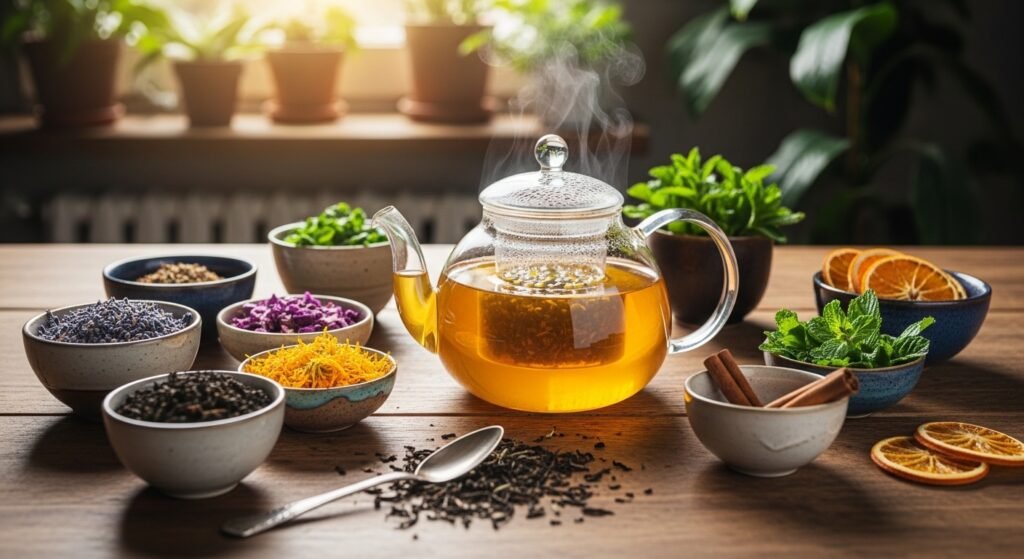
- Herbal Bases: These provide the main body of your tea. Common ones include Lemon Balm, Peppermint, Spearmint, Tulsi (Holy Basil), and Raspberry Leaf.
- Floral Accents: These add a beautiful smell and a light taste. Try using Rose, Lavender, Chamomile, Calendula, Hibiscus, Jasmine, or Elderflower.
- Aromatic Spices: These add warmth and a bit of a kick. Good choices are Cinnamon, Ginger, Clove, Peppercorn, Cardamom, and Star Anise.
- Dried Fruit Infusions: These add a natural sweetness or tartness. Popular options are Orange peel, Lemon peel, Dried Apple, Peach, and Coconut.
The Fundamentals of Tea Preparation
Making a good cup of tea requires a little bit of math and timing. If you use too much tea, it might be too strong or bitter. If you use too little, it will taste like plain hot water. The temperature of the water also matters a lot for the flavor. Once you learn the basics, you will get a perfect cup every time. It is all about finding the right balance for your specific taste.
The Golden Ratio: Using 1 teaspoon of dried tea per 1 cup (8 oz) of water
The most important rule for tea is the ratio of leaves to water. A good starting point is one teaspoon of tea for every one cup of water. This ensures that there is enough flavor without making it overwhelming. If you like your tea very strong, you can add a little bit more. If you prefer it light, you can use slightly less. This ratio works for both traditional and herbal teas.
Calculations for Entertaining
If you are making tea for friends, you will need a larger pot. You can easily scale up the golden ratio to fit your teapot size. Here is a quick guide to help you measure:
- 2 cup teapot (.5 L): Use 2 teaspoons of tea.
- 4 cup teapot (1 L): Use 4 teaspoons of tea.
- 6 cup teapot (1.5 L): Use 6 teaspoons of tea.
Water quality: The importance of using fresh, filtered water
Since tea is mostly water, the quality of that water is very important. You should always start with fresh, cold water from the tap or a filter. Avoid using water that has been sitting in the kettle for a long time. Filtered water is often best because it removes chemicals like chlorine. These chemicals can make your tea taste funny or metallic. Using clean water allows the true flavor of the tea to shine through.
The Art of Crafting Your Own Tea Blends
One of the best parts of tea is making your own unique recipes. When you know how to make your own herbal tea, you can be creative. You can blend different teas and herbs to make something no one else has. A good blend usually has three parts: a base, a support, and an accent. This creates a balanced flavor that tastes great from the first sip to the last. It is a fun experiment you can do right in your kitchen.
Step One: Selecting the Base (70% of the blend)

The base is the main ingredient and makes up most of your blend. It provides the “anchor” for all the other flavors. You should pick a base that you already enjoy drinking on its own. The base determines the overall strength and character of your tea.
- Black tea base: This is strong and earthy; it pairs perfectly with bold spices or sweet fruits.
- White tea base: This is very subtle and silky; it works best with mild and fruity flavors.
- Green tea base: This is fresh and grassy; it pairs well with citrus and nutty ingredients.
- Oolong tea base: This is very versatile; it goes great with floral or citrus notes.
- Herbal base: You can choose calming herbs like chamomile or invigorating ones like peppermint.
Step Two: Choosing Complementary Flavors (30% of the blend)
Next, you add one to three herbs that help the base taste even better. These are called complementary flavors because they work together. You want to match the “body” of the herbs to the body of the base. Strong bases need strong herbs, while light bases need delicate ones. Mixing different types like a floral and a fruit can add a lot of depth. This step is where you can really start to see the personality of your tea.
Step Three: The Final Accent (10% of the blend)
The final part is a tiny amount of a very strong flavor. This is often called a “catalyst” because it makes the whole blend “pop”. You only need a little bit, or it might take over the whole cup. This is where you use things like spicy ginger or aromatic lavender. It adds that final touch that makes the tea feel special and professional. It is the secret ingredient that pulls everything together.
Mastering the Brewing Process in a Teapot
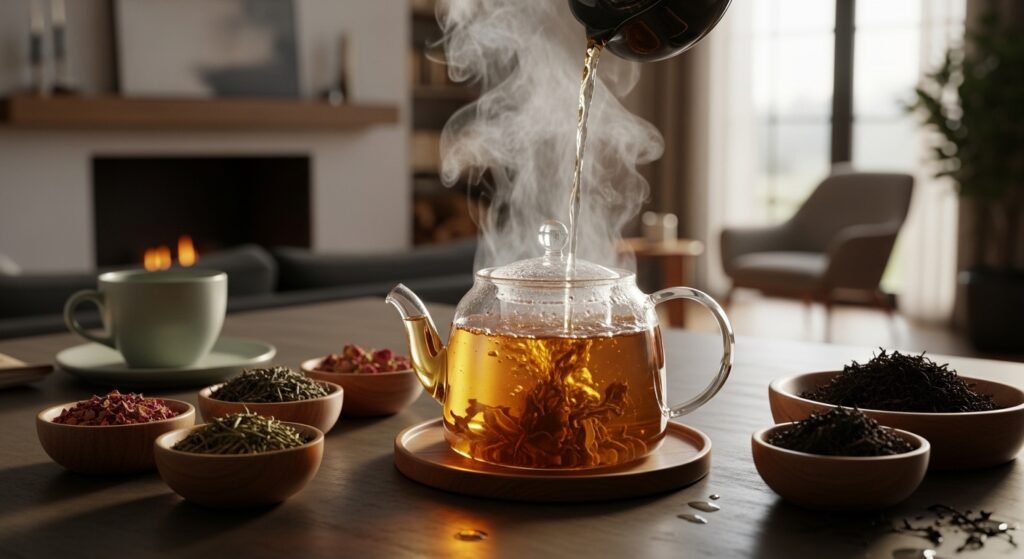
Now that you have your tea, you need to brew it correctly. Using a teapot is the traditional and best way to make loose leaf tea. It gives the leaves plenty of room to move around and release flavor. You also need to pay attention to how long the tea sits in the water. If you wait too long, it might get bitter and hard to drink. If you don’t wait long enough, it will be weak.
Equipment Selection: Using internal infusers vs. external strainers
There are a few different tools you can use to catch the leaves. Some teapots come with a metal basket inside called an infuser. You put the leaves in the basket and take it out when the tea is done. Other people like to let the leaves float freely in the pot. If you do this, you use a strainer over your cup when you pour the tea. Both ways work well, so you can choose whichever you like best.
The utility of the tea cozy for temperature maintenance
If you are drinking a large pot of tea, you want it to stay hot. A tea cozy is a fabric cover that goes over your teapot. It acts like a little blanket to keep the heat inside the pot. This is very helpful if you like to sip your tea slowly over an hour or two. It ensures that your last cup is just as warm and tasty as your first one. Plus, they often come in very cute designs for your kitchen.
Step-by-Step Brewing Guide

Follow these simple steps to make a great pot of tea every time:
- Warming the teapot: Pour a little boiling water into the pot, swirl it, and pour it out. This keeps the pot warm so the tea doesn’t cool down too fast.
- Measuring the leaves: Use the golden ratio of one teaspoon per cup of water. Put them in the pot or your infuser.
- Water temperature: Use boiling water for most teas, but let it cool slightly for green or white tea.
- Steeping Times: Let the tea sit and brew for the right amount of time.
- Black tea: 3 to 5 minutes.
- Herbal tea: 5 minutes or more to get all the medicinal benefits.
- Finishing Touches: Once it is done, pour the tea into your favorite cup. Now you can add things like milk, honey, or a slice of lemon if you want.
Conclusion: Developing Your Personal Tea Ritual
Learning how to make your own herbal tea is a journey that never really ends. There are always new plants to try and new flavors to discover. It is a great way to take control of what you are putting in your body. You can move away from processed products and enjoy something truly natural. Your tea ritual can be a quiet time for yourself or a way to bond with family. It is a small habit that can make a big difference in how you feel.
Don’t be afraid to experiment with your blends and brewing times. Some of the best teas were discovered by mistake or by trying something new. As you practice, you will become more confident in your skills. Soon, you will be able to make a perfect cup of tea for any mood or occasion. Whether you need to wake up or wind down, your own herbal tea is the answer. Enjoy every sip of your new, healthy, and delicious hobby.
FAQs About How to Make Your Own Herbal Tea
Can I use fresh herbs from my garden to make tea?
Yes, you can absolutely use fresh herbs to brew a delicious cup. When using fresh plants, you typically need to use three times the amount of herbs compared to dried ones. This is because dried herbs are more concentrated. Simply bruise the leaves with your fingers to release the oils before steeping.
Is it safe to forage for wild plants for my tea blends?
Foraging is a great way to source ingredients, but you must be 100% certain of the plant’s identity. Many poisonous plants look like edible ones to an untrained eye. Always use a local guidebook and avoid plants growing near busy roads or sprayed with pesticides.
How should I store my loose leaf tea to keep it fresh?
Keep your tea in a cool, dark, and dry place. Air, light, heat, and moisture are the enemies of tea freshness. Using airtight tins or dark glass jars is much better than keeping them in paper bags or clear containers.
How long does dried herbal tea stay good?
Most dried herbs and tea leaves will stay flavorful for about six to twelve months. They do not necessarily “go bad” or become toxic after that, but they lose their scent, taste, and medicinal power. If the leaves look gray or have no smell, it is time to get a fresh batch.
What is the best way to clean a teapot used for herbal infusions?
Rinse your teapot with hot water immediately after use to prevent staining. Avoid using harsh dish soaps that can leave a floral scent behind. For deep cleaning, a mixture of baking soda and water can remove stubborn tea tannins without affecting future flavors.
Can I drink herbal tea if I am pregnant or nursing?
Many herbal teas are safe, but some can be dangerous or interfere with hormones. For example, raspberry leaf is popular but should only be used at certain stages. Always consult with a healthcare professional before trying new herbs during pregnancy.
Does the temperature of the water really matter for herbal tea?
While most herbs handle boiling water well, some delicate flowers can get scorched. Using water that is just off the boil (around 200°F) is usually the sweet spot for most herbal infusions. This ensures you extract the nutrients without burning the plant material.
Can I re-steep herbal tea leaves?
Unlike traditional oolong or green teas, most herbal ingredients do not taste good on a second steep. The first infusion usually pulls out all the flavor and beneficial properties. It is better to use fresh herbs for every new cup to get the best results.
What are “adjuvants” in tea blending?
Adjuvants are secondary ingredients added to a blend to help the main herb work better in your body. For example, adding a bit of black pepper can help you absorb the nutrients in turmeric. They act as helpers to boost the overall effectiveness of your drink.
Is it okay to boil the herbs directly in the water on the stove?
This method is called a decoction and is usually reserved for tough roots, bark, and seeds. If you are using leaves and flowers, boiling them directly can make the tea taste bitter. For leaves, it is better to pour the hot water over them and let them soak.
Can herbal tea help with weight loss?
Some herbs like dandelion or ginger can help with digestion and water weight. However, tea is not a magic solution for weight loss on its own. It is most effective when used as a healthy, calorie-free replacement for sugary drinks.
How do I know if I am allergic to a specific herb?
If you have never tried an herb before, start with a very small, weak cup. Watch for symptoms like an itchy throat, skin rashes, or an upset stomach. People with allergies to ragweed should be especially careful with flowers like chamomile or calendula.
Can I give herbal tea to my pets?
You should be very cautious, as some herbs that are safe for humans are toxic to dogs and cats. For instance, caffeine is very dangerous for pets. Always talk to a veterinarian before adding any herbal supplements to your pet’s diet.
What is the difference between a tea and a tisane?
Technically, “tea” only refers to drinks made from the Camellia Sinensis plant. Everything else, like peppermint or chamomile, is called a “tisane” or an “herbal infusion.” In casual conversation, most people just use the word tea for everything.
Why does my herbal tea taste like soap?
This sometimes happens if you use too much of a floral ingredient like lavender or rose. It can also happen if your water has a very high mineral content. Try reducing the amount of flowers in your blend to see if the soapy taste goes away.
Can I sweeten my herbal tea with things other than honey?
Yes, you can use maple syrup, agave, or even stevia leaves. Some people like to add a few pieces of dried licorice root or stevia leaf directly into the blend for a natural, calorie-free sweetness.
Is it better to buy organic herbs for my tea?
Organic is usually better because you are soaking the plants directly in hot water. If the plants were sprayed with pesticides, those chemicals could end up in your drink. Choosing organic ensures a cleaner and safer infusion.
Can I make iced tea using the loose leaf method?
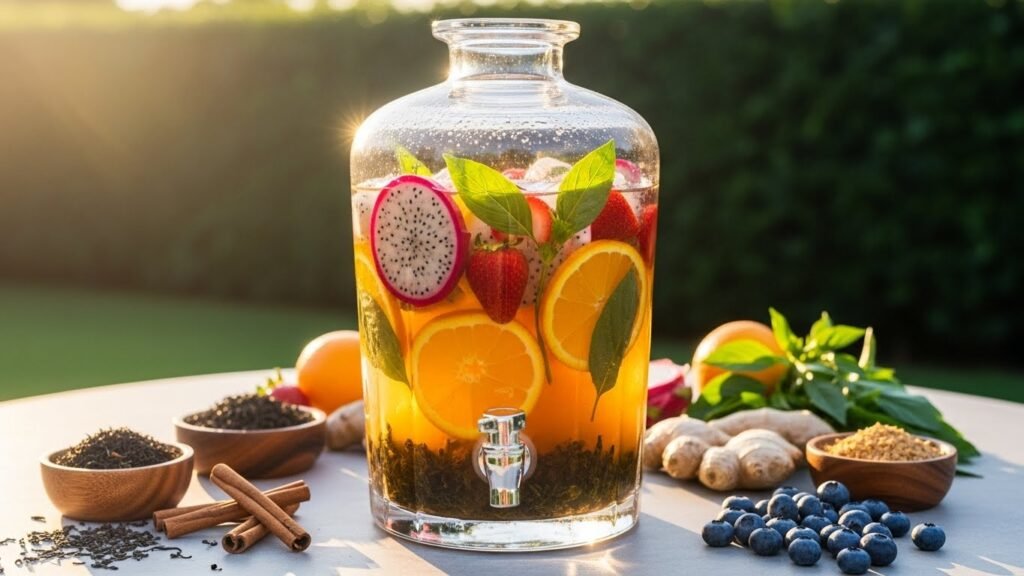
To make iced tea, brew a “concentrate” by using twice the amount of tea leaves with the usual amount of hot water. Once it is finished steeping, pour it over a glass full of ice. This prevents the melting ice from making your tea taste watery.
What are the best herbs for a “morning energy” blend?
Since you want to avoid caffeine in herbal blends, look for invigorating scents and flavors. Peppermint, rosemary, and ginger are great for waking up the senses and feeling alert without the jitters.
Does the material of my tea infuser matter?
Stainless steel or glass infusers are usually the best because they do not react with the herbs. Some cheap plastic infusers can warp in hot water or release a chemical taste. High-quality silicone is also a safe and flexible option.