Skip to content
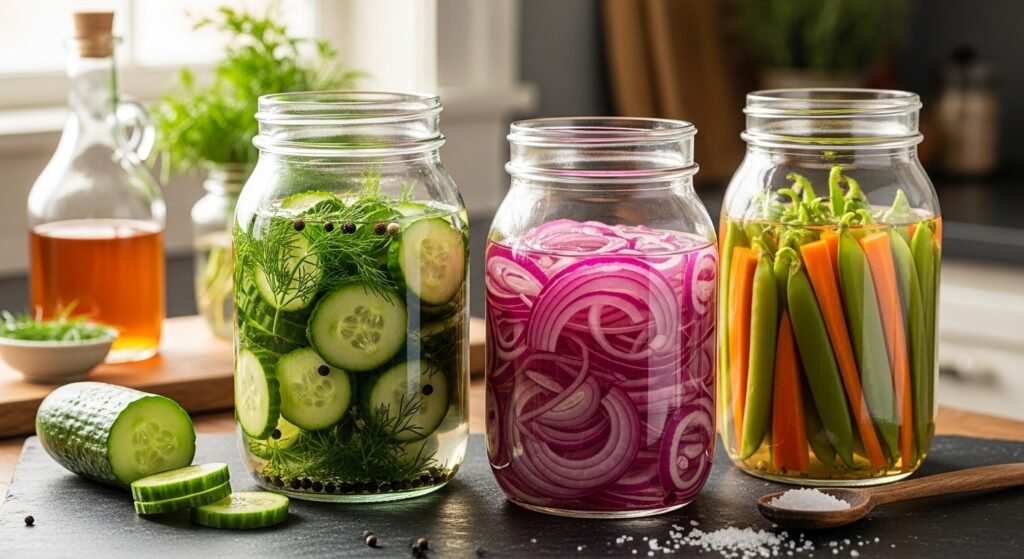
The world of preserving food might seem scary. Many people think they need huge pots and hours of free time. This quick pickle recipe changes the game entirely. You do not need to be an expert to make something delicious. It is all about a simple brine and your favorite veggies. You can transform raw produce into a tangy snack in minutes.
Understanding the Art of Quick Pickling
Quick pickling is also known as refrigerator pickling. This method lets you skip the long canning process. You simply let vegetables sit in a vinegar and water mix. This liquid is called a brine. It helps the vegetables stay crunchy while adding a huge punch of flavor. It is the easiest way to keep your produce fresh for longer.
The Science of the Brine
The brine is a mix of vinegar, salt, and water. These ingredients work together to change the vegetable. Vinegar provides the acidity that gives pickles their zip. Salt is used for flavor and to keep things safe. Water balances the strength of the vinegar. This combination creates a perfect environment for pickling.
The Role of Osmosis in Pickling
Osmosis is a fancy word for how liquid moves. In this quick pickle recipe, the brine moves into the cells of the vegetables. This process softens the tough fibers of the plant. It also carries the salt and vinegar inside. This is why the flavor goes all the way through the veggie. It makes every bite consistent and tasty.
Why Quick Pickling is Perfect for Gardens
If you have a garden, you know the late summer rush. Suddenly you have way too many cucumbers or onions. You do not want that hard work to go to waste. This method helps you use up a lot of produce at once. It puts a unique flavor-spin on everything you grow. It is the best way to clear out your garden beds.
Quick Pickling vs. Traditional Canning
There is a big difference between these two methods. Traditional canning involves boiling jars to seal them. This makes them shelf-stable for a very long time. Quick pickling skips those extra steps for speed. It is much more approachable for a beginner. You can start pickling today with what you have in the kitchen.
Key Differences in Process and Equipment
Canning requires special jars and a massive boiling pot. You have to worry about creating an airtight seal. Quick pickling only needs a clean jar and a fridge. You do not have to sterilize the glass in a boiling bath. The process takes a fraction of the time. Most people find this much less stressful.
The Trade-off: Speed vs. Stability
The main benefit of this quick pickle recipe is speed. You can eat these pickles just a few hours after making them. Traditional pickles often need weeks to develop their flavor. However, quick pickles are not meant for the pantry. You must store them in the cold to keep them good. They are made for eating now rather than hoarding.
The Safety Factor and Refrigeration
Safety is very important when you preserve food. Traditional canning kills microorganisms with high heat. Quick pickling relies on the fridge to keep things safe. You cannot leave these jars on the counter for days. Always keep the lid tight and the jar cold. This ensures your snacks stay fresh and healthy.
Texture and Flavor Profiles
Quick pickles are known for their incredible crunch. Because they are not boiled, the vegetables stay firm. Traditional pickles can sometimes become a bit soft. The flavor of a quick pickle is very bright and fresh. You really taste the vinegar and the herbs. It is a much more vibrant eating experience.
Shelf Life Comparisons
How long will your hard work last in the jar?
- Quick Pickles: These usually last for about two weeks in the fridge.
- Traditional Canning: These can stay good for one to five years on a shelf.
- Peak Flavor: Quick pickles are best after 24 hours of soaking.
- Usage: You should try to finish your quick batch within 14 days.
Essential Equipment for Success
You do not need a lot of gear for this. Most of these items are already in your cabinets. Having the right tools makes the process very smooth. It helps you stay organized while you work. You will be done with the prep in no time.

Glass Jars with Airtight Lids
You need a good container to hold the brine. Glass is the best choice because it does not react with acid. Mason jars are a classic pick for many people. You can also reuse old glass jars from the store. Just make sure the lid seals very tightly. This keeps the smells inside the jar and out of your fridge.
Small Saucepan for the Brine
You will need to heat your liquid ingredients. A small saucepan is perfect for this task. You want something that pours easily without dripping. Stainless steel is a great material for this. It handles the vinegar and salt without any problems. Most recipes only require a few minutes of boiling.
Measuring Tools and Cutting Gear
Precision helps you get the flavor just right.
- Measuring Cups: Use these for your water and vinegar.
- Measuring Spoons: These are vital for your salt and spices.
- Chef’s Knife: A sharp knife makes slicing much safer.
- Mandoline: Use this if you want paper-thin, even slices.
- Funnel: This helps you pour hot brine without making a mess.
The Master Quick Pickle Brine Formula
Every great pickle starts with a base ratio. Once you know this, you can pickle anything. This formula is the secret to a perfect quick pickle recipe. It balances the salt, sour, and sweet notes. You can double or triple it for big batches. It is a very flexible starting point.

The Golden Ratio
The basic mix uses simple numbers for easy memory. Use 1 cup of water and 1/2 cup of vinegar. This creates a brine that is strong but not overwhelming. It provides enough liquid for about 2 cups of vegetables. This ratio works for almost any produce you choose. It is the foundation of all your pickling adventures.
The Salt Essential
You cannot skip the salt in this recipe. Use 1.5 teaspoons of pickling salt for one batch. Pickling salt is best because it lacks iodine. Iodine can make your brine look cloudy or dark. It can also change the flavor in a weird way. Always look for pure salt for the best results.
The Sweetener and Boiling Point
Many people like a little bit of sugar in their pickles. Adding 1 teaspoon of sugar helps balance the vinegar. You must bring the mixture to a boil to dissolve everything. Boiling ensures the salt and sugar are fully mixed. It also helps the spices release their natural oils. This makes the brine much more flavorful.
Choosing Your Vinegar Base
The vinegar you pick changes the whole vibe. Different types have different levels of acidity. Most recipes suggest a 5% acidity level. This is standard for most vinegars at the grocery store. You can experiment to find your personal favorite taste.
Distilled White and Apple Cider Vinegar
White vinegar is the most common choice for pickling. It has a very sharp and clean flavor. It also keeps the color of your vegetables bright. Apple cider vinegar is another popular option. It is a bit milder and has a fruity note. It can make the brine look a little brown.
Rice and Wine Vinegars
If you want a softer flavor, try rice vinegar. It is very popular for Asian-style quick pickles. It is much less harsh than white vinegar. Wine vinegars are great for a gourmet touch. Red wine vinegar adds a beautiful pink hue. White wine vinegar is subtle and very elegant.
Selecting and Preparing the Best Vegetables
Not all vegetables react the same way to brine. Some stay crunchy while others get soft. You want to pick produce that is at its peak. Freshness is the key to a great texture. Always wash your veggies thoroughly before you start.
The Best Candidates for Pickling
Some vegetables were just born to be pickled.
- Red Onions: These turn a bright pink and get very sweet.
- Cucumbers: The classic choice for a reason.
- Cabbage: Perfect for making a quick kraut or slaw.
- Beets: These take on a deep, earthy, and tangy flavor.
- String Beans: These stay very snappy and fun to eat.
Tougher Vegetables and Slicing
Some veggies are very hard and dense. Carrots and cauliflower might need a quick blanch in hot water. This helps the brine soak in more easily. How you slice them also matters for the final result. Thin rounds are great for sandwiches and burgers. Long spears are perfect for snacking straight from the jar.
Signature Flavor Combinations and Recipes
Once you have the brine, you can get creative. Adding herbs and spices makes each jar unique. These are some of the most popular ways to use the formula. You can follow these exactly or make your own. It is all about what you like to eat.
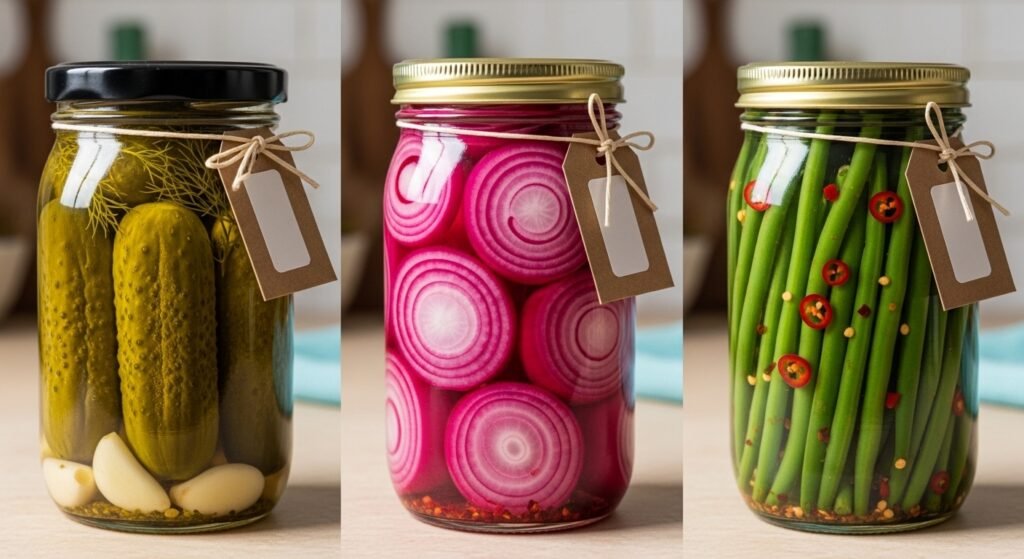
Classic Quick Dill Pickles
This is the flavor most people think of first.
- Base: 1 batch of the master brine base.
- Vegetable: 2 cups of pickling cucumbers sliced thinly.
- Herbs: 1/2 cup of fresh dill.
- Aromatics: 1 clove of garlic, peeled and smashed.
- Sugar: 1 teaspoon to round out the flavor.
Pickled Red Onions
These are a staple in many professional kitchens.
- Base: 1 batch of the master brine base.
- Vegetable: 1 large red onion, sliced into thin half-moons.
- Sweetener: 1 teaspoon of sugar is highly recommended here.
- Result: They turn a gorgeous magenta color after an hour.
- Uses: Toss them on tacos, pizzas, or avocado toast.
Spicy Pickled Green Beans
If you like a little heat, try this recipe.
- Base: 1 batch of the master brine base.
- Vegetable: 2 cups of fresh string beans.
- Preparation: Trim the ends and cut them to fit your jar.
- Spices: 1/2 teaspoon of cayenne pepper for a kick.
- Aromatics: 1 clove of garlic for extra savory notes.
Step-by-Step Preparation Guide
Making these pickles is a very fast process. It usually takes about 15 minutes of work. Following the steps ensures your pickles come out perfectly. It helps you avoid common mistakes like messy counters. You will have a full jar in no time.

1. Make the Brine
First, get your liquids ready in the saucepan. Combine the 1 cup water, 1/2 cup vinegar, and 1.5 tsp salt. Heat them over medium heat until they boil. Stir it once or twice to dissolve the salt. Once it bubbles, you can take it off the heat. This hot liquid is ready to do its job.
2. Prepare and Pack the Jar
While the brine heats up, get your jar ready. Put your sliced veggies and spices into the clean jar. Pack them in tight so they do not float too much. You want the jar to be full but not crushed. Leave about half an inch of space at the top. This gives the liquid room to cover everything.
3. Combine and Chill
Carefully pour the hot brine over the vegetables. Make sure every piece of produce is fully covered. If you have extra brine, you can discard it. Screw the lid on as tight as you can. Let the jar sit on the counter for a few minutes. Then, pop it into the fridge to cool down.
Storage and Safety Guidelines
You must treat these differently than store-bought pickles. Since they are not canned, they are perishable. Keeping them cold is the most important rule. This keeps the texture right and the bacteria away. Proper storage makes your pickles last for the full two weeks.
The Resting Period and Peak Flavor
Your pickles need time to get tasty. You should wait at least two hours before eating them. This gives the brine time to soak into the veggies. They will taste even better after 24 hours in the fridge. The flavors meld together and become much more complex. Patience is the hardest part of this recipe.
Signs of Spoilage and Proper Handling
Always check your jar before you take a bite.
- Mold: If you see anything fuzzy on top, throw it out.
- Smell: They should smell vinegary, not rotten or foul.
- Cloudiness: A little sediment is okay, but thick slime is bad.
- Cleanliness: Use a clean fork to grab your pickles.
- Double Dipping: Never use your fingers or a dirty spoon.
Creative Ways to Use Your Quick Pickles
These jars are more than just a side dish. They can brighten up almost any meal you cook. The acidity helps cut through rich or heavy foods. It adds a professional touch to home-cooked dinners. You will find yourself reaching for the jar constantly.

Elevating Main Dishes and Salads
Pickled red onions are incredible on vegan pizza. They add a pop of color and a sweet-tart crunch. You can also chop up dill pickles for a better potato salad. Try adding pickled beans to a grain bowl for extra texture. They make simple dishes feel much more exciting. It is an easy way to impress your friends.
The Brine Bonus
Do not pour the leftover liquid down the drain. Pickle brine is full of salt and vinegar flavor. You can use it as a base for a salad dressing. Some people use it to marinate tofu or chicken. It is also a secret ingredient in some cocktails. It is a great way to get every last bit of value.
Summary of the Quick Pickle
This quick pickle recipe is a game changer for any kitchen. It is fast, cheap, and incredibly delicious. You can customize the flavors to match your mood. It is the perfect way to save your garden harvest. Once you start, you will never want to go back. Enjoy the crunch and the tang of your own home-made snacks!
Frequently Asked Questions
What is the best way to keep pickles submerged?
Vegetables love to float to the top of the jar. This can lead to mushy spots or even mold. You can use a glass weight to keep them down. A clean cabbage leaf tucked under the lid also works. Some people even use a smaller glass jar to push things down. Keeping them under the liquid is key for a good result.
Is it safe to reuse my pickle brine for a second batch?
You can technically reuse the brine, but it is not ideal. The vegetables release water as they sit in the jar. This dilutes the vinegar and salt over time. Your second batch will likely be less crunchy and flavorful. It is always better to boil a fresh batch for the best quality. Use the old brine for salad dressings instead.
Can I make a quick pickle recipe without any sugar?
Yes, you can totally skip the sugar if you want. Sugar is only there to balance the sharp acid of the vinegar. If you love a very sour and salty snack, leave it out. Your pickles will still be safe to eat. Some people use honey or maple syrup as a natural swap. Just know it might change the color of your liquid.
Why do my pickles have white sediment at the bottom?
White sediment is usually just salt or minerals from the water. It can also be a sign of natural yeast. In quick pickling, it is rarely a sign of a big problem. As long as the brine is not slimy, they are safe. Give the jar a little shake to mix it back in. If the smell is off, then you should throw them away.
Can I use dried herbs instead of fresh ones?
Fresh herbs give the most vibrant flavor for this quick pickle recipe. However, dried herbs work in a pinch. You only need about one-third the amount of dried herbs. They are much more concentrated than fresh sprigs. Keep in mind that dried herbs can make the brine look a bit messy. They often float and stick to the vegetables.
Do I have to peel my cucumbers before pickling?
You do not have to peel them if the skin is thin. English cucumbers or Persian cucumbers have very soft skins. Standard garden cucumbers often have thick or waxy skins. You might want to peel those or scrub them very well. Peeling allows the brine to soak in much faster. It also makes them easier to chew and digest.
Can I add oil to my quick pickle brine?
Adding oil is not common for a standard quick pickle recipe. Oil does not mix well with a watery vinegar brine. It will just float on the top of the jar. This can sometimes trap bacteria if you are not careful. If you want an oily pickle, look for Italian giardiniera recipes. For this method, stick to water and vinegar.
What happens if I use too much salt?
Too much salt will make your pickles very hard to eat. Salt draws out moisture, so they might also get a bit shriveled. You can try to fix this by adding more water and vinegar. However, it is hard to save a batch that is way too salty. Always measure your salt carefully to avoid this mistake. It is easier to add more later than take it away.
Can I pickle fruit using this same method?
You can absolutely pickle fruit like peaches or grapes. The process is exactly the same as the vegetable version. You might want to use a lighter vinegar like white wine vinegar. Adding a cinnamon stick or cloves makes fruit pickles taste amazing. They are great on cheese boards or with roasted meats. It is a fun way to try something new.
Can I use iodized table salt if I have nothing else?
You can use it, but your brine will look very cloudy. Iodized salt has additives that prevent it from clumping. These additives do not dissolve well in a pickling liquid. It might also give the pickles a slightly metallic aftertaste. For the most professional look, stick to pickling or kosher salt. It makes a huge difference in the final product.
Should I slice my vegetables before or after washing?
Always wash your produce before you start any cutting. This prevents dirt from getting onto your knife and into the veggie. Once they are clean, you can slice them into your desired shapes. Pat them dry with a towel so you do not dilute the brine. Starting with clean tools and food is a major safety rule. It keeps your fridge snacks healthy and fresh.
How do I make my pickles extra spicy?
The easiest way is to add fresh pepper slices to the jar. Jalapeños or habaneros work great for high heat. You can also use dried red chili flakes for a slower burn. A few whole peppercorns add a nice earthy heat as well. The longer the peppers sit in the brine, the hotter it gets. Be careful when you take your first bite!
Is it okay to use plastic containers instead of glass?
Glass is much better because it does not absorb smells. Plastic can sometimes hold onto the scent of onions or vinegar. The acid in the brine can also wear down certain types of plastic. If you must use plastic, make sure it is BPA-free and food-safe. Never pour boiling brine into a thin plastic container. It could melt or release bad chemicals into your food.
Can I quick pickle frozen vegetables?
Frozen vegetables are usually too soft for a quick pickle recipe. They are often blanched before being frozen, which breaks them down. When they thaw and hit the brine, they turn into mush. This method works best with raw, crunchy, and fresh produce. Stick to the produce aisle or the garden for the best results. Your teeth will thank you for the crunch.
Can I use this recipe for a large party?
This formula is very easy to scale up for a crowd. You can make massive jars of pickles in just a few minutes. Just keep the 1 cup water to 1/2 cup vinegar ratio. It is much cheaper than buying many jars at the store. Plus, guests always love the taste of homemade food. It makes a great topping for a DIY burger bar.
Does the temperature of the brine matter?
Pouring hot brine over the veggies helps them soften slightly. It also helps the flavors of the spices soak in fast. If you want maximum crunch, you can let the brine cool first. Cold brining takes much longer to develop flavor. Most people prefer the hot pour for a fast and tasty result. It is the standard way to do it.
Why are my pickles losing their bright color?
Over time, the acid will cause the green color to fade. This is a natural part of the pickling process. Your cucumbers might turn a more olive-drab color after a week. This does not mean they are bad or old. It just shows that the vinegar is doing its job. They will still taste great even if they look a bit different.