Skip to content
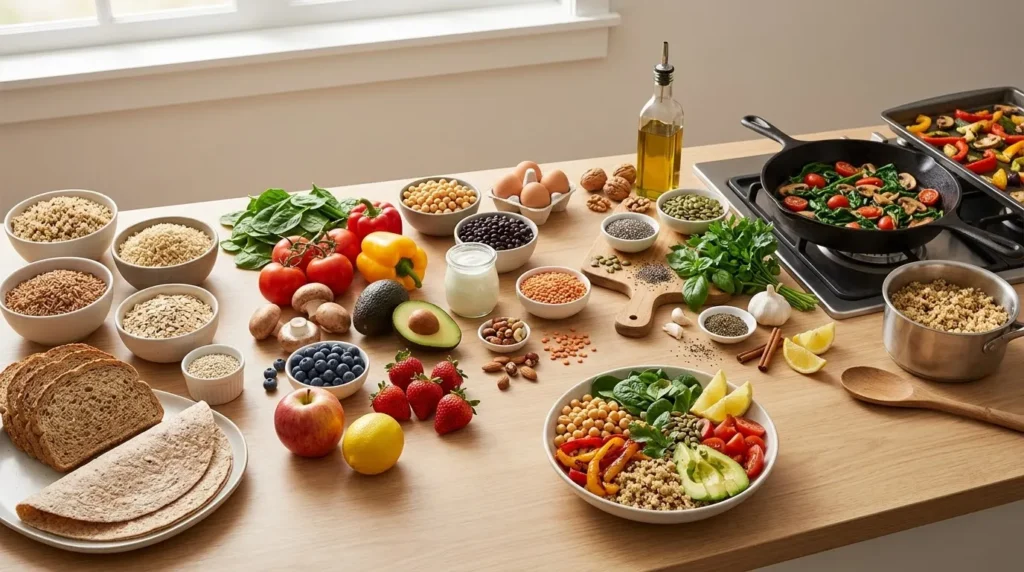
Creating your own recipe can be much easier than it sounds. You do not need a long ingredient list or advanced cooking skills. With a simple framework, you can combine familiar foods into meals that are practical, flavorful, and suited to your own preferences.
In this guide, I’ll show you how to create a Heartumental recipe from the first idea to the finished dish. We’ll look at how to choose a base, add vegetables or fruit, select a protein, build flavor, choose a cooking method, create good texture, and make sensible substitutions.
The goal is not to give you another fixed recipe collection. Instead, I want to give you a method you can use to create your own breakfast, brunch, lunch, dinner, or snack whenever you have ingredients on hand.
If you want ready-to-cook dishes first, you can also explore the [Heartumental recipe collection] as the broader starting point.
What Makes a Recipe Fit the Heartumental Approach?

A Heartumental recipe can be built around simple, familiar foods rather than a strict set of rules.
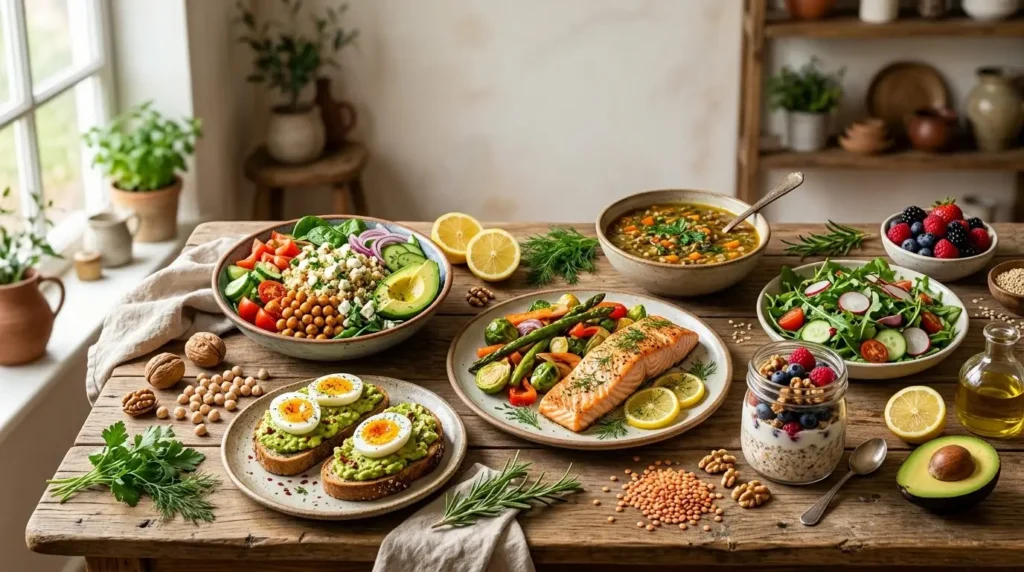
The basic idea is to bring together useful components in a way that makes sense for the meal. Whole grains, vegetables, fruits, legumes, eggs, fish, poultry, nuts, seeds, and other minimally processed foods can all have a place depending on the dish.
I like to think about the meal as a combination of structure, flavor, texture, and convenience.
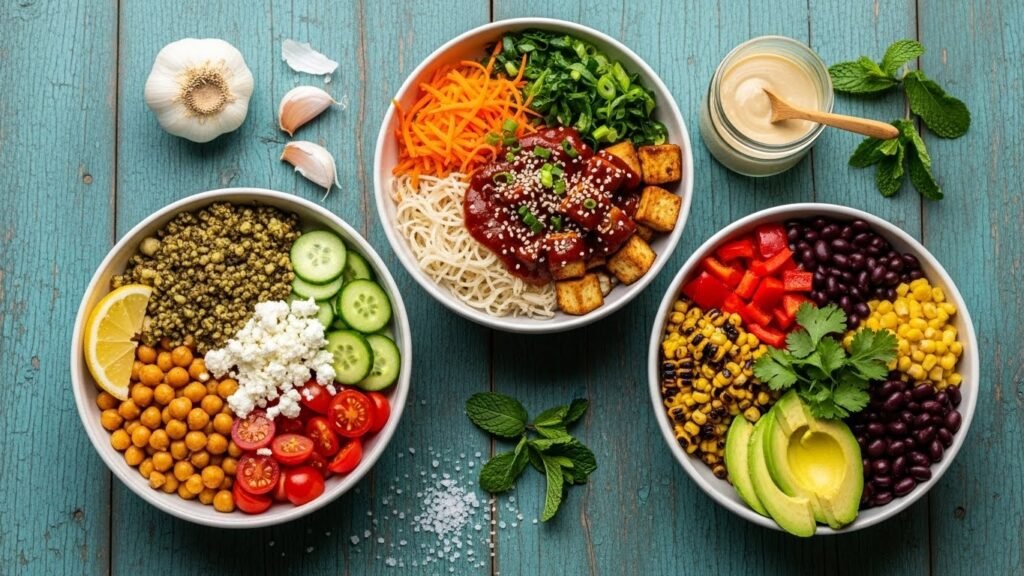
For example, a grain bowl could use quinoa as its base, roasted vegetables for color and texture, chickpeas for protein, avocado for creaminess, and lemon and herbs for flavor.
A breakfast could take a different route. Oats, Greek yogurt, berries, walnuts, and cinnamon can become a quick bowl without any complicated cooking.
There is no need to follow one rigid formula for every meal. Your appetite, budget, cooking time, available foods, and personal preferences should all influence the final recipe.
The most useful recipe is one you can actually see yourself making again.
Step 1: Decide What Kind of Meal You Want to Create
Start with the meal instead of the ingredients.
Ask yourself:
What am I trying to make?
It could be:
- Breakfast
- Brunch
- Lunch
- Dinner
- Snack
- Side dish
- Main dish
- Make-ahead meal
The answer helps narrow your choices.
A breakfast recipe may need to be quick and simple. A weekend brunch can take more time. A weeknight dinner may benefit from one-pan cooking, while a lunch recipe may need to travel well in a container.
I find this first decision useful because it stops me from throwing random foods together without a clear purpose.
For example, if I decide to create a quick dinner, I might choose a grain bowl instead of a complicated baked dish. If I want a weekend brunch, I may have more room for eggs, roasted vegetables, whole-grain toast, and a homemade sauce.
The meal type gives your recipe a direction before you start cooking.
Step 2: Choose the Main Base

Once you know what you want to make, choose the main base.
The base gives the recipe structure. Depending on the meal, it could be:
- Quinoa
- Brown rice
- Other whole grains
- Oats
- Whole-grain bread
- Whole-grain wraps
- Potatoes
- Beans
- Lentils
- Chickpeas
You do not always need a grain. A salad, egg dish, soup, or vegetable-based meal can work without one.
Think about the base as the part that gives the meal something to build around.
For example:
Quinoa → bowl
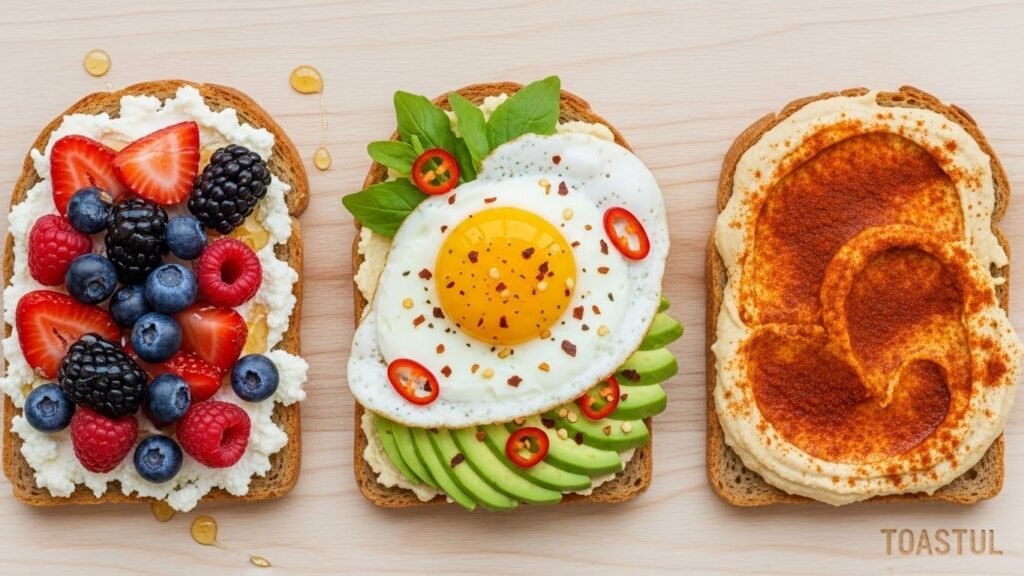
Whole-grain toast → breakfast or brunch
Oats → breakfast
Brown rice → savory bowl
Lentils → soup or warm meal
The base also affects texture. Cooked quinoa gives you small, separate grains, while oatmeal creates a soft and creamy result.
That difference matters when you start adding the other parts.
Step 3: Add Vegetables or Fruit

Next, choose produce that fits the meal.
For savory dishes, you might use:
- Spinach
- Tomatoes
- Bell peppers
- Mushrooms
- Broccoli
- Carrots
- Zucchini
- Leafy greens
- Roasted vegetables
For sweet meals, fruit can provide color, texture, and natural sweetness:
- Berries
- Apples
- Bananas
- Pears
- Peaches
- Seasonal fruit
I usually look at what needs to be used first. A few soft tomatoes may work well in an egg dish, while berries can quickly become part of a yogurt bowl or overnight oats.
Think about how the produce will be prepared too.
Raw tomatoes create a fresh texture. Roasted peppers become softer and sweeter. Fresh spinach can be stirred into a warm dish, while leafy greens can also form the base of a salad.
You are making a recipe, not filling a checklist. Choose produce that works with the other components.
Step 4: Select a Protein Source
A protein source can help give a meal more substance and variety.
Depending on the recipe, options include:
- Eggs
- Fish
- Chicken
- Greek yogurt
- Beans
- Chickpeas
- Lentils
- Nuts
- Seeds
- Other plant-based protein sources
The choice should fit the recipe.
For example, Greek yogurt works naturally in a breakfast bowl but would not be the obvious choice for every dinner. Chickpeas work well in grain bowls, salads, wraps, and some savory breakfasts.
Think about texture as well.
Eggs can be soft and creamy. Chickpeas can provide a firm, tender bite. Nuts and seeds can add crunch.
If you want a plant-based meal, beans, chickpeas, lentils, nuts, and seeds give you several options without making the recipe feel like a simple replacement exercise.
Step 5: Add a Source of Healthy Fat or Moisture
A good recipe also needs something that brings richness, moisture, or a smooth texture.
Depending on the dish, this could include:
- Avocado
- Olive oil
- Nuts
- Seeds
- Plain yogurt
- Yogurt-based dressing
- Simple homemade sauce
This part does not need to dominate the dish.
A small amount of dressing can bring together a bowl of grains, vegetables, and beans. Avocado can add creaminess to toast or a savory bowl. A yogurt sauce can make roasted vegetables easier to enjoy.
Think about what the dish is missing.
If it looks dry, a dressing or sauce may help.
If it feels too soft, adding nuts or seeds may create better contrast.
If it needs richness, avocado or a suitable oil may work.
Step 6: Build the Flavor

This is where a basic combination starts to feel like a real recipe.
You can build flavor with:
- Garlic
- Lemon juice
- Lemon zest
- Vinegar
- Fresh herbs
- Dried herbs
- Black pepper
- Paprika
- Cumin
- Cinnamon
- Ginger
- Homemade dressings
- Simple sauces
You do not need ten seasonings.
Start with one main flavor direction.
For a Mediterranean-style bowl, lemon, garlic, parsley, and black pepper may work together.
For a warm breakfast, cinnamon, vanilla, berries, and walnuts can create a very different flavor profile.
For a savory bean dish, cumin, paprika, garlic, lime, and fresh herbs can work well.
I like choosing one or two flavors that give the dish its identity, then using smaller amounts of supporting seasonings.
Step 7: Choose the Cooking Method

The cooking method should match the ingredients and the result you want.
| Desired result | Useful method | Why it works |
| Browning | Roasting | Creates a deeper cooked flavor |
| Soft vegetables | Steaming | Keeps vegetables tender |
| Quick cooking | Sautéing | Works well for smaller pieces |
| Tender grains | Simmering | Gives grains time to cook |
| Hands-off cooking | Baking | Useful for many complete dishes |
| Crisp surfaces | Roasting or grilling | Creates more texture |
| Fresh texture | Raw preparation | Keeps ingredients crisp |
| Smooth sauces | Blending | Combines ingredients into one mixture |
You do not need to use several methods in one recipe.
A simple dinner might use one skillet. Another meal could combine cooked quinoa with roasted vegetables and a fresh dressing.
If you are developing recipes regularly, keep a separate Heartumental Cooking Methods guide in your content cluster. That page can go deeper into the strengths and limits of each method.
For this article, the main point is simple: choose the method based on the result you want.
Step 8: Think About Texture
Texture is easy to overlook when creating a recipe.
A meal made entirely from soft foods can feel flat, even if the flavors are good.
Try combining different textures.
| Soft or creamy | Firm or crunchy |
| Avocado | Pumpkin seeds |
| Greek yogurt | Walnuts |
| Oatmeal | Chia seeds |
| Cooked vegetables | Fresh vegetables |
| Hummus | Toast |
| Soft eggs | Whole-grain toast |
You can also combine warm and fresh elements.
For example, a bowl with warm quinoa, roasted vegetables, cool avocado, fresh herbs, and crunchy seeds has more contrast than a bowl where every part has the same texture.
Texture does not require complicated cooking. Sometimes one simple topping is enough.
Step 9: Use a Simple Recipe Formula
At this point, you can use a basic framework:
Base + produce + protein + healthy fat + flavor + texture
This is not a strict rule. It is simply a useful starting point.
Here are a few combinations:
Quinoa + roasted vegetables + chickpeas + avocado + lemon + pumpkin seeds
Whole-grain toast + egg + avocado + tomato + herbs + black pepper
Greek yogurt + berries + oats + walnuts + cinnamon
Brown rice + beans + spinach + avocado + lime + fresh herbs
Notice that each combination has a different character even though the same basic framework applies.
You can leave out a component if the recipe does not need it. A fruit bowl does not need a grain. A soup may not need a crunchy topping.
The framework helps you create a balanced starting point without forcing every meal into the same shape.
Step 10: Turn the Combination Into a Recipe
Once you have your components, turn them into a cooking plan.
Use these steps:
- Choose the base.
- Decide how each ingredient will be prepared.
- Work out the cooking order.
- Add the main flavor profile.
- Decide what should be added at the end.
- Taste the dish.
- Adjust the seasoning.
- Add a final texture element if needed.
- Write down the finished version.
Cooking order matters.
If you are making a grain bowl, cook the grain first. While it cooks, prepare the vegetables. Roast or sauté the vegetables, warm the chickpeas if desired, prepare the dressing, and assemble everything at the end.
This keeps the process organized.
If several ingredients need the same cooking temperature, you can often prepare them together. If their cooking times differ greatly, add them at different stages.
Example: Create a Recipe From Scratch

Let’s use the framework to create one dish.
Starting idea
I want a simple savory lunch that can also work as a make-ahead meal.
Step 1: Choose the base
I choose quinoa because it works well in warm and cold bowls.
Step 2: Add produce
I choose bell peppers and spinach.
The peppers can be roasted for deeper flavor, while the spinach can be added near the end.
Step 3: Choose protein
I choose chickpeas.
They work well with quinoa and can be served warm or cold.
Step 4: Add healthy fat
Avocado gives the bowl a creamy texture.
Step 5: Build flavor
I choose lemon, garlic, parsley, and black pepper.
Step 6: Add texture
Pumpkin seeds give the finished bowl some crunch.
Step 7: Choose the cooking method
I would simmer the quinoa and roast the peppers. The chickpeas can be warmed in the same oven or pan, depending on how I want to prepare them.
The final idea becomes:
Lemon Chickpea Quinoa Bowl
- Cooked quinoa
- Roasted bell peppers
- Chickpeas
- Spinach
- Avocado
- Pumpkin seeds
- Lemon
- Garlic
- Parsley
- Black pepper
The important part is not this specific bowl. The useful lesson is the process used to create it.
Once you know how the components work together, you can replace quinoa with brown rice, chickpeas with beans, or peppers with another vegetable.
That is how one recipe idea can lead to several different meals without copying the same recipe.
Step 11: Balance the Flavor
When a new recipe tastes wrong, don’t immediately add more seasoning.
First ask what is missing.
If it tastes bland
Try:
- Fresh herbs
- Garlic
- Lemon
- Vinegar
- Black pepper
- Spices
If it tastes too acidic
Add another component that softens the sharpness, such as a suitable creamy element or more of the main ingredients.
If it feels too rich
Add something fresh or acidic, such as lemon juice, fresh herbs, or crisp vegetables.
If it tastes too salty
Increase the unsalted components rather than continuing to add other strong flavors.
If it tastes flat
Look at both seasoning and texture. A fresh topping, toasted seeds, citrus, or herbs may make a bigger difference than simply adding more salt.
For sweet dishes, cinnamon, vanilla, fruit, toasted nuts, and citrus zest can create more depth without making the recipe complicated.
Step 12: Create Smart Ingredient Substitutions

A useful recipe should give readers some flexibility.
The best substitutions are based on the job an ingredient performs.
For example:
| Original | Possible substitute | What to consider |
| Quinoa | Brown rice | Cooking time and texture |
| Chickpeas | Black beans | Flavor and texture |
| Walnuts | Almonds | Crunch and flavor |
| Greek yogurt | Plain dairy-free yogurt | Thickness and tang |
| Berries | Seasonal fruit | Moisture and sweetness |
| Spinach | Another leafy green | Cooking time |
| Lemon | Vinegar | Acidity and flavor |
| Fresh herbs | Dried herbs | Intensity and texture |
A substitution does not always produce an identical result.
For example, replacing fresh herbs with dried herbs changes both texture and flavor. Replacing a grain can also change the cooking time.
I would always ask: What role does this ingredient play?
Is it there for moisture, crunch, acidity, sweetness, structure, or flavor?
Once you know the role, choosing an alternative becomes much easier.
Step 13: Make the Recipe Practical for Meal Prep
A good recipe should fit real schedules.
If you plan to prepare it ahead, identify which parts can be made early.
For example:
- Cook grains ahead
- Roast vegetables in batches
- Wash leafy greens
- Prepare a dressing
- Portion nuts and seeds
- Prepare cooked legumes
- Store sauces separately
- Assemble fresh toppings shortly before eating
Some foods are better assembled close to serving.
Fresh avocado, crunchy seeds, and certain fresh vegetables may have a better texture when added later rather than stored mixed into the complete meal.
If meal prep is a major part of your recipe, the wider Heartumental Meal Prep article can provide a deeper resource.
Step 14: Write the Recipe Clearly
Once the recipe works on paper, write it so another person can follow it.
A useful recipe format includes:
Recipe name
Category
Prep time
Cook time
Total time
Servings
Ingredients
Instructions
Substitution
Storage
Serving suggestion
The ingredient list should follow the order that makes sense for preparation.
Instructions should also follow the actual cooking sequence.
Instead of writing:
Cook everything together until done.
Give the reader enough detail to know what to do.
For example:
Sauté the onion until softened, add the chopped peppers, and cook until tender. Stir in the chickpeas and seasonings before adding the cooked quinoa.
Clear instructions reduce mistakes and make the recipe easier to repeat.
How to Create a Recipe With What You Already Have
You do not always need to shop for a new recipe.
Start by checking the foods already in your kitchen.
Ask:
What needs to be used soon?
Then group what you have by function.
For example:
Base: brown rice
Produce: spinach and tomatoes
Protein: chickpeas
Fat: avocado
Flavor: lemon and garlic
Texture: pumpkin seeds
You now have the starting point for a bowl.
This approach can also reduce food waste because you build the meal around foods that are already available.
The same method works for breakfast.
You might have:
Base: oats
Protein: Greek yogurt
Fruit: banana
Fat and texture: walnuts
Flavor: cinnamon
That can become overnight oats or stovetop oatmeal.
How to Make Your Recipes Easier
Recipe creation should include convenience from the beginning.
If a dish requires six pans, twelve preparation steps, and ingredients that are difficult to find, readers may not make it often.
Ask yourself:
- Can two steps happen at the same time?
- Can I use one pan?
- Can an ingredient be prepared ahead?
- Can I use leftovers?
- Can I reduce the number of seasonings?
- Can I use a simple homemade dressing?
- Can the recipe be stored easily?
I like recipes that leave room for flexibility. If a reader can swap a vegetable or grain without changing the entire cooking process, the recipe becomes much more useful.
How to Create Sweet and Savory Versions
The same basic framework can move in different directions.
Sweet version
Base: oats
Protein: Greek yogurt
Fruit: berries
Healthy fat: walnuts
Flavor: cinnamon
Texture: chia seeds
This could become overnight oats, oatmeal, or a breakfast bowl.
Savory version
Base: quinoa
Protein: chickpeas
Vegetables: spinach and tomatoes
Flavor: lemon, garlic, and herbs
Texture: pumpkin seeds
This could become a warm grain bowl.
The lesson is that the framework is flexible. You can change the flavor direction without rebuilding the entire recipe-development process.
Common Recipe-Creation Mistakes
Adding too many ingredients
More ingredients do not automatically create a better meal.
Too many flavors can make the final dish difficult to identify.
Ignoring cooking times
Different foods cook at different speeds.
Plan the cooking order before starting.
Forgetting texture
A meal where everything is soft may need a crunchy or fresh element.
Over-seasoning
Add strong seasonings gradually. You can always add more.
Making unnecessary substitutions
A replacement should serve the same purpose as the original ingredient.
Making the recipe too complicated
If a simpler method produces a similar result, use the simpler method.
Ignoring storage
If the recipe is intended for meal prep, explain how the components should be stored.
Focusing only on nutrition
Taste still matters.
A meal that looks good on paper but tastes flat is unlikely to become part of someone’s regular routine.
Treating the framework as a strict rule
The formula is a starting point, not a law.
Some recipes will need fewer components. Others may need an extra sauce, topping, or side.
A Quick Recipe-Building Checklist
Before finalizing a new recipe, ask:
- What meal am I creating?
- What is the main base?
- What produce will I use?
- What is the main protein?
- Does the dish need a source of healthy fat?
- What flavor profile am I aiming for?
- Which cooking method fits?
- Does the dish have enough texture contrast?
- Can any steps be combined?
- Can some components be prepared ahead?
- Are the substitutions practical?
- Is the serving size clear?
- Are the instructions easy to follow?
- Does the finished dish actually sound enjoyable?
If the answer to most of these questions is yes, you have a strong starting point.
Final Thoughts
Creating a Heartumental recipe does not require a complicated formula or a cupboard full of special foods.
Start with the meal you want to make, choose a useful base, add produce and a protein source, then build flavor and texture around those components. From there, choose a cooking method that fits the foods and the time you have available.
I find this approach useful because it gives you room to work with what is already in the kitchen. Once you learn how each part of a meal contributes to flavor, texture, and structure, you can create new dishes instead of depending on a fixed recipe every time.
Frequently Asked Questions About Creating Heartumental Recipes
How do I create my own Heartumental recipe?
Start by choosing the meal type and a main base. Add produce, a suitable protein, a source of healthy fat or moisture, flavor builders, and a texture element. Then choose the cooking method and adjust the recipe after considering taste and practicality.
What should every recipe include?
A useful recipe should clearly state the ingredients, servings, preparation time, cooking time, instructions, substitutions, and storage advice where relevant.
Can I create a vegetarian recipe?
Yes. Beans, chickpeas, lentils, eggs, Greek yogurt, nuts, seeds, and other plant-based foods can provide many options for vegetarian meals.
Can I modify an existing recipe?
Yes. Start by identifying the role of each ingredient. You can then replace components with foods that provide a similar function, while keeping cooking time, texture, and moisture in mind.
How can I make a homemade recipe more flavorful?
Start with a clear flavor direction. Use ingredients such as lemon, garlic, herbs, spices, vinegar, citrus zest, or homemade sauces. Taste gradually and adjust instead of adding many seasonings at once.
How do I create a recipe for meal prep?
Choose foods that store well, prepare the components in batches, and keep ingredients that lose texture separate when needed. Grains, cooked legumes, roasted vegetables, and sauces can often be prepared ahead.
Do I need to follow the same recipe formula every time?
No. The formula is a planning tool. Some meals may need only a few components, while others may benefit from additional texture, sauce, or toppings.
How do I know if my new recipe is balanced?
Look at the complete meal rather than one ingredient. Consider whether it has a useful base, produce, a protein source, flavor, and enough texture and moisture to make the dish enjoyable. You can adjust the components based on the meal, your preferences, and your appetite.