Skip to content
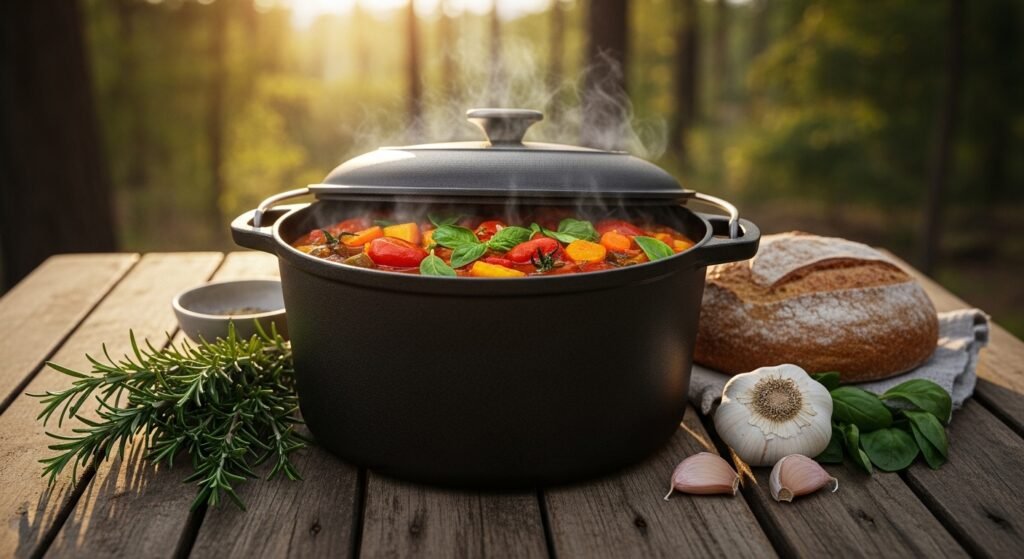
Cast iron has been a cornerstone of the culinary world for centuries. Renowned for its unparalleled heat retention and even distribution, it transforms simple ingredients into aromatic masterpieces. While often associated with heavy meat stews, the Dutch Oven is a secret weapon for the vegetarian chef. It offers a unique depth of flavor that modern cookware simply cannot replicate. You can cook almost anything in these heavy pots over an open fire or a stove. People have loved these pots for a long time because they last forever. They are perfect for anyone who loves plant-based food and wants big flavor. Let’s dive into some awesome vegetarian dutch oven recipes that will blow your mind.
The Art of Cast Iron Cooking
Cooking with cast iron is like having a piece of history in your kitchen. This material is super tough and gets better the more you use it. It holds onto heat like a champ and spreads it out perfectly. This means your food cooks evenly without any weird hot spots. Whether you are out camping or just chilling at home, these pots are the GOAT. They make everything taste like it was made by a professional chef. Plus, they are great for making those vegetarian dutch oven recipes look and taste amazing.
The Benefits of Vegetarian Cooking in a Dutch Oven
Many people think you need meat to get good flavor, but that is totally wrong. Vegetarian dutch oven recipes are some of the most delicious meals you can find. The heavy lid keeps all the steam and flavor locked inside the pot. This makes your veggies super tender and juicy every single time. It is a game changer for anyone trying to eat more plants. You can make hearty stews, crispy breads, and even cheesy snacks in one pot.
- Flavor Intensity: The seasoning of the cast iron adds a subtle complexity to plant-based fats and oils.
- Nutrient Retention: Gentle, even heat helps preserve the integrity of vitamins in vegetables.
- Versatility: One pot can sear, sauté, boil, bake, and roast.
- One-Pot Meals: It is the ultimate tool for simple and fast vegetarian cooking.
- Outdoor Adaptability: These pots are perfect for open fires, charcoal briquettes, or home stovetops.
Essential Techniques for Perfect Results
If you want your vegetarian dutch oven recipes to turn out great, you need some skills. It is not just about throwing things in a pot and hoping for the best. You have to understand how the heat works and how to layer your food. Mastering these basics will make you a pro in no time. Once you get the hang of it, you will never want to use another pot.
Mastering Heat Control

Controlling the heat is the most important part of Dutch Oven cooking. Since these pots hold so much heat, they can get too hot very fast. You have to be careful not to burn your precious veggies. Using briquettes is a common way to manage temperature when you are outdoors.
- Dose the Heat Correctly: The number of briquettes depends on the size of your pot and the weather.
- Outside Temperature: Cold wind can steal your heat, so you might need more coals on chilly days.
- Indirect Heat: This is particularly suitable for many vegetarian dishes.
- Gentle Cooking: Vegetables are cooked more gently and do not burn as quickly with indirect heat.
- The 2/3 Rule: Typically, placing 1/3 of the coals underneath and 2/3 on top creates an oven-like environment.
- Baking Environment: This setup is ideal for baking breads or making slow-cooked stews.
- Monitoring Moisture: Vegetables often release significant water during the cooking process.
- Adjusting the Lid: Crack the lid slightly if you need to reduce a sauce or prevent sogginess.
Strategic Layering of Ingredients
How you stack your food inside the pot matters a lot. Different vegetables cook at different speeds. If you put everything in at once, some things will be mushy while others are raw. Smart layering ensures every bite is cooked to perfection.
- The Foundation: Place hard root vegetables like potatoes, carrots, and parsnips at the bottom.
- Intense Heat: The bottom of the pot gets the most heat, so put the tough stuff there.
- The Middle Layer: Add aromatic bases like onions, garlic, and peppers in the center.
- Flavor Base: These veggies release flavors that soak into everything else in the pot.
- The Top Layer: Place soft vegetables like zucchini, spinach, or tomatoes on the very top.
- Gentle Cooking: These items will steam or cook gently from the rising heat and moisture.
- Fresh Herbs: Toss your fresh herbs on top at the end to keep their bright flavor.
Best Vegetables and Legumes for the Dutch Oven
Not all veggies are created equal when it comes to cast iron. Some are born to be slow-cooked in a heavy pot. These ingredients form the backbone of the best vegetarian dutch oven recipes. Choosing the right ones will ensure your meal is filling and super tasty.
Hearty Root Vegetables
Root vegetables are the champions of the Dutch Oven world. They are tough enough to handle long cook times without falling apart. They also soak up all the delicious juices and spices in the pot.
- Potatoes and Sweet Potatoes: They provide a starchy, filling base for any meal.
- Absorbing Spices: These roots are like sponges for flavor and spices.
- Carrots and Parsnips: They add a nice natural sweetness to your savory dishes.
- Holding Shape: These veggies stay firm and hold their shape even after a long simmer.
Versatile Pumpkin and Squash
Squash and pumpkins bring a beautiful texture and color to your cooking. They can be savory or a little bit sweet depending on how you season them.
- Zucchini and Eggplant: These are ideal for Mediterranean-style stews and roasts.
- Soaking up Oils: They absorb oils and sauces incredibly well, becoming very rich.
- Butternut Squash: This squash adds a creamy texture if it cooks long enough to soften.
- Natural Thinner: It can even act as a natural thickener for your soups and stews.
Protein-Rich Pulses
If you want to feel full after a vegetarian meal, you need protein. Pulses are the perfect way to get that without using meat. They add great texture and make the dish feel much heavier.
- Beans and Lentils: These pulses make your vegetarian dutch oven recipes filling and satisfying.
- Meaty Texture: They provide a chunky, hearty texture that mimics meat in stews.
- Chickpeas: These are perfect for adding a nutty flavor and a little crunch to your pot.
- Fiber Boost: They are also packed with fiber to keep you going all day.
Gourmet Vegetarian Dutch Oven Recipes
Now for the best part: the food! These recipes are tried and true favorites for any cast iron fan. They show off just how versatile and delicious plant-based cooking can be. Get your ingredients ready and let’s get cooking.
Crispy Potato Rösti

This dish is a classic for a reason. It is basically a giant, crispy hash brown that tastes like heaven. It is perfect as a side dish or a main course with a salad.
- Potatoes: 800 g
- Egg: 1
- Cornflour: 1 tbsp
- Caraway seeds: 1 tsp
- Sea salt: 1 tsp
- Pepper: ½ tsp
- Clarified butter: Enough for frying
To make this, peel and grate your potatoes first. Squeeze out all the water with a clean cloth into a bowl. Let that water sit for 5 minutes so the starch sinks to the bottom. Pour the water out but keep that white starch. Mix the potatoes, egg, cornflour, and spices with that starch. Heat up your butter in the pot or on the lid. Make patties about 2 cm thick and fry them. Cook for about 6 minutes on each side until they are golden and crispy.
Grilled Herb Camembert

Who says you can’t have fancy cheese while camping? This recipe is super easy and feels like a total luxury. It is the perfect snack to share with friends around a fire.
- Camembert cheeses: 2 medium rounds
- Olive oil: 4 tbsp
- Dijon mustard: 1 tsp
- Fresh chopped garden herbs: 3 tbsp
- Red bell pepper: 1/2, diced small
- Toothpicks: For pricking
First, take a toothpick and prick the top of the cheese a few times. Do not go all the way through the bottom. Mix the oil, mustard, and herbs in a small bowl. Brush that tasty marinade all over the top of the cheese. Sprinkle the diced peppers on top. Place the cheese in your Dutch Oven or a pan. Grill it for about 15 minutes until the inside is gooey and melted. Serve it hot with some crusty bread for dipping.
Creamy Fairground-Style Mushroom Pan

This dish smells amazing while it is cooking. It is a creamy, cheesy dream that will please everyone. It is a great way to use up fresh mushrooms from the market.
- Mushrooms: 500 g
- Large onions: 2, cut into rings
- Creamy processed cheese: 150 g
- Processed herb cheese: 50 g
- Milk: 100 ml
- Garlic: 2 cloves, crushed
- Seasoning: Paprika powder, salt, and pepper
Start by frying your onion rings until they are clear. Throw in the sliced mushrooms and fry them until they are soft. Add your paprika, salt, and pepper to taste. In another bowl, mix the milk, cheeses, and garlic until it is smooth. Pour that cheese mixture over the mushrooms in the pot. Stir it all together until the cheese is melted and bubbly. Serve it hot and enjoy the creamy goodness.
Mediterranean Oven-Roasted Vegetables

This recipe is like a vacation in a pot. It uses fresh summer veggies and classic herbs. It is one of the healthiest vegetarian dutch oven recipes you can make.
- Eggplant: 1 medium
- Zucchinis: 1–2
- Large carrots: 3–4
- Garlic bulb: 1, halved
- Onions: 3–4
- Fresh herbs: Sprigs of Thyme, Rosemary, and Sage
- Olive oil: For drizzling
- Coarse sea salt: For seasoning
Chop all your veggies into big chunks. Put the carrots and onions at the bottom since they are tough. Layer the zucchini and eggplant on top of them. Stick the herb sprigs and the garlic halves in between the veggies. Pour a bunch of olive oil over everything and add plenty of salt. Close the lid tight and put it in the hot coals. Put about 7 coals on the lid for that extra top heat. Cook for 45 minutes until everything is tender and roasted.
The Colorful Fire Pot

This is a fun and easy stew that looks great on the table. You can use whatever veggies you have on hand. It is a great basic recipe for your vegetarian dutch oven recipes collection.
- Onions: 2 medium
- Zucchinis: 2
- Carrots: 4
- Bell peppers: 2 (one red, one yellow)
- Tomatoes: 2 large
- Vegetarian sausages: 4, or use smoked tofu
- Olive oil: 2 tbsp
- Kidney beans: 1 tin (optional)
- Sweetcorn: 1 tin (optional)
- Seasoning: Salt and pepper
Cut all your ingredients into large bite-sized pieces. Heat the oil and fry the onions and veggie sausages until they are brown. Toss in the rest of the vegetables and fry them for a few minutes. Add the beans and corn if you want more bulk. Add just enough water to barely cover the veggies. Season with salt and pepper to your liking. Put the lid on and simmer for about 40 minutes. Serve it hot with some fresh bread on the side.
Chicago-Style Deep Dish Pizza

Yes, you can even make pizza in a Dutch Oven! This recipe makes a thick, cheesy pizza that is super filling. It is a total crowd-pleaser for any gathering.
- Flour: 500 g
- Water: 220 ml, lukewarm
- Yeast: 1/2 cube
- Salt: 1.5 tsp
- Olive oil: 30 ml
- Egg: 1
- Cheddar cubes: 150 g for the rim
- Chopped tomatoes: 400 g
- Garlic: 2 cloves
- Pizza cheese: 150 g
- Veggies: Mushrooms, peppers, and onions
Mix the yeast in the warm water first. Knead the flour, salt, oil, and egg together with the yeast water. Let the dough rise for an hour in a warm spot. For the sauce, fry some onion and garlic, then add tomatoes and herbs. Simmer the sauce for 15 minutes. Roll out the dough and put it in a greased pot. Press the cheddar cubes into the edge and fold the dough over them. Spread your sauce, then add the cheese and chopped veggies. Bake it at 220°C for about 30 minutes until the crust is golden.
Flavor Profiles and Aromatic Spice Blends
You can take your vegetarian dutch oven recipes to the next level with spices. Different combinations can change the whole vibe of a dish. It is fun to experiment with flavors from all over the world. These blends will help you get started.
The Mediterranean Profile
This profile is all about fresh herbs and sunshine. It works perfectly with summer vegetables like tomatoes and zucchini. It is a very light and fragrant way to cook.
- Rosemary: Adds a woody, pine-like scent to roasted dishes.
- Thyme: Gives a subtle earthiness that pairs well with almost anything.
- Oregano: This is the classic pizza and pasta herb.
- Garlic: Use plenty of this for a bold and savory kick.
- Best for: These spices are best for roasted vegetables and classic ratatouille.
The Asian/Indian Profile
If you like things warm and a bit spicy, this is for you. These spices are great for making hearty, comforting meals. They turn simple lentils and beans into something special.
- Ginger: Adds a fresh and spicy bite to your stews.
- Turmeric: Gives your food a beautiful yellow color and a mild flavor.
- Chili: Use this to add as much heat as you can handle.
- Coriander and Cumin: These are the backbone of many curry powders.
- Garam Masala: A warm blend of spices that adds a deep finish.
- Best for: Perfect for lentil dahls and chickpea curries.
The Mexican Profile
This profile is bold, smoky, and a little bit tangy. It is perfect for making filling meals that have a lot of character. It is always a hit at parties.
- Chili: The most important part of any Mexican-style dish.
- Cumin: Provides a deep, earthy flavor that is very distinctive.
- Smoked Paprika: Gives your food a nice “cooked over a fire” taste.
- Fresh Coriander: Adds a bright and citrusy finish at the end.
- Best for: These are best for bean stews and spicy shakshuka.
Proper Care and Maintenance of Cast Iron
Your Dutch Oven is a tough tool, but it still needs love. If you take care of it, it will last your whole life. Proper cleaning and seasoning are key to keeping it in top shape. This ensures your vegetarian dutch oven recipes always taste their best.

Cleaning After Use
Never, ever put your cast iron in the dishwasher. It will ruin the finish and cause it to rust. Cleaning it by hand is the only way to go. It is not hard once you know the steps.
- Cool Down: Allow the pot to cool naturally after you finish cooking.
- Avoid Shock: A sudden temperature change can cause the iron to crack.
- Warm Water and Brush: Clean the pot with warm water and a soft brush.
- No Soap: Avoid detergent because it can damage the natural non-stick patina.
- Stubborn Stains: For tough spots, use some coarse salt to scrub them away.
- Rinse Well: Make sure you get all the salt and food bits out.
The Seasoning (Burn-in) Process
Seasoning is what makes cast iron non-stick. It is a layer of baked-on oil that protects the metal. You should do this whenever the pot starts to look dull.
- Why it Matters: Baking seals the pores of the iron and prevents rust.
- Non-stick Coating: It creates a natural coating so food doesn’t stick as much.
- How to Sere: After cleaning, rub a very thin layer of oil over the whole pot.
- Choose Right Oil: Use an oil with a high smoke point like rapeseed oil.
- Bake it: Put the pot in an oven at 180°C for about an hour.
- Let it Cool: Let it cool down inside the oven before taking it out.
Storage Solutions
How you store your pot is just as important as how you clean it. You want to make sure it stays dry so it doesn’t rust.
- Dry Place: Store your Dutch Oven in a place that isn’t humid or damp.
- Airflow: Avoid wrapping it in plastic because moisture can get trapped.
- Lid Gap: Leave the lid slightly open so air can move around inside.
- Oil Film: A very light film of oil can protect the surface while it sits.
- No Stacking: Be careful if you stack pots so you don’t scratch the finish.
Conclusion: Unleash Your Vegetarian Creativity
There are no limits to what you can do with vegetarian dutch oven recipes. This simple pot opens up a whole world of flavor and fun. Whether you are cooking for your family or a group of friends, these meals will be a hit. Don’t be afraid to try new vegetables and spice blends. The more you use your Dutch Oven, the more you will love it. So grab your pot, get some fresh veggies, and start cooking today. Your next great meal is just one fire away. Happy cooking to all the plant-based chefs out there.
FAQs About Vegetarian Dutch Oven Recipes
Can I use a regular pot instead of a Dutch Oven?
You can, but it won’t be the same. Regular pots don’t hold heat as well and can have hot spots that burn your food. The heavy lid of a Dutch Oven also traps steam, which makes veggies extra tender. If you want the best results for these vegetarian dutch oven recipes, stick with cast iron.
What is the best way to prevent food from sticking?
The secret is a good seasoning. Make sure your pot has a nice, shiny layer of baked-on oil. Also, always preheat your pot before adding your food. Adding a little bit of oil or fat right before you start cooking also helps a lot.
How do I know how many coals to use?
A good rule of thumb is to take the size of the pot and add or subtract two. For a 12-inch pot, use 14 coals on top and 10 on the bottom for baking. For stews, you might want more heat on the bottom. Remember the 2/3 rule for general baking: more coals on top than on the bottom.
Are these recipes good for beginners?
Absolutely! Recipes like the Potato Rösti and the Mushroom Pan are very simple. They don’t require fancy skills, just a bit of patience. As you get more comfortable with heat control, you can try more complex dishes like the Chicago-Style Pizza.
Can I cook these recipes on a normal kitchen stove?
Yes, you can! Dutch Ovens work great on gas and electric stoves. Just be careful with glass tops so you don’t scratch them with the heavy iron. You can also use them in your home oven for baking bread or slow-roasting veggies.
What is the best size Dutch Oven for a family of four?
A 6-quart Dutch Oven is usually the sweet spot for a family of four. It is big enough to hold a whole stew or a loaf of bread. You won’t run out of room, but it isn’t so heavy that you can’t lift it. This size is super versatile for most home and camp cooking.
Can I cook acidic foods like tomatoes in cast iron?
Yes, you can cook with tomatoes, but you should be careful. If your pot is well-seasoned, a quick sauce won’t hurt anything. However, leaving acidic food in the pot for hours can strip the seasoning. It might also give your food a slight metallic taste if the seasoning is thin.
How do I fix a Dutch Oven that has started to rust?
Don’t worry, rust is not the end of the world for cast iron. Use a bit of steel wool or a stiff brush to scrub the rust away. Once the metal is clean, wash it and dry it immediately. Follow the seasoning steps to bake on a new layer of oil.
What should I do if my Dutch Oven is smoking while it preheats?
If your pot is smoking, it usually means there is old oil or food bits burning off. It could also mean your stove is too hot for the type of oil you used. Lower the heat and wipe out any excess oil with a paper towel. Always use oils with a high smoke point for the best results.
Is it okay to use metal utensils in a cast iron pot?
You can use metal spoons or spatulas, but try to be gentle. Cast iron is very tough, so you won’t break the pot itself. However, sharp metal tools can sometimes scrape off your hard-earned seasoning. Wood or silicone tools are usually a safer bet for daily use.
Why does my vegetarian stew taste bitter?
Bitterness usually comes from burning your garlic or spices at the start. It can also happen if you use too much of a strong herb like rosemary. Make sure to sauté your aromatics on lower heat so they don’t turn black. Adding a tiny pinch of sugar can sometimes balance out a bitter sauce.
How can I make my Dutch Oven bread crustier?
The trick to a crispy crust is steam. Keep the lid on for the first half of the baking time to trap the moisture from the dough. This allows the bread to rise fully without the crust hardening too fast. Remove the lid for the last fifteen minutes to let the crust get dark and crunchy.
Can I use a Dutch Oven on a glass cooktop?
You can use it, but you have to be very careful. Cast iron is heavy and can easily crack or scratch a glass stove. Never slide the pot across the surface; always lift it straight up to move it. Make sure the bottom of the pot is smooth and free of any grit.
What is the difference between enameled and raw cast iron?
Raw cast iron needs to be seasoned and can handle very high heat and metal tools. Enameled cast iron has a smooth coating that doesn’t need seasoning and is easier to wash. However, enamel can chip if you drop it or use metal spoons too roughly. Raw iron is better for campfire cooking, while enamel is great for the kitchen.
How do I prevent my Dutch Oven lid from sticking?
Sometimes a lid can get stuck if oil dries between the rim and the lid. When you store your pot, place a folded paper towel between the pot and the lid. This keeps a small gap for air to flow and prevents the oil from sealing the lid shut. It also helps prevent the inside from smelling musty.
Can I bake desserts in a Dutch Oven?
Absolutely, cast iron is amazing for desserts like cobblers and brownies. The even heat gives you those perfect crispy edges that everyone loves. Just make sure your pot is clean so your cake doesn’t taste like garlic or onions. Many people keep one pot specifically for sweets and another for savory meals.
What is a lid lifter and do I really need one?
A lid lifter is a metal tool used to move the hot lid when you are cooking over coals. If you are cooking outdoors, it is an essential safety tool to prevent burns. At home, a good pair of thick oven mitts is usually enough to handle the pot. Never try to move a hot lid with your bare hands.
How do I get rid of strong food odors in my pot?
If your pot smells like onions after washing, try a salt scrub. If that doesn’t work, you can bake the empty pot in the oven for a bit to burn off the odors. Some people also find that boiling a mixture of water and a little baking soda helps. Always dry the pot thoroughly after any deep cleaning.
Can I put my Dutch Oven in the freezer?
It is not a good idea to put cast iron in the freezer. Extreme cold followed by fast heating can cause the metal to crack or warp. If you have leftovers, move them to a plastic or glass container for fridge or freezer storage. This also protects your seasoning from the moisture in the food.
Why is my cast iron seasoning peeling off?
Peeling usually happens if you applied the oil too thick during the seasoning process. It can also happen if you cook a lot of acidic food that weakens the layer. To fix it, scrub off the loose bits and re-season with a very thin layer of oil. Several thin layers are always better than one thick one.
How do I boil water in a Dutch Oven without ruining it?
Boiling water is fine, but don’t leave it in there longer than you need to. Long periods of boiling can soften the seasoning over time. Once you are done, dry the pot immediately and rub a tiny bit of oil onto the surface. This keeps the moisture from causing any rust spots.
What are the best oils for seasoning cast iron?
You want to use oils that can handle high heat without burning away. Grapeseed oil, flaxseed oil, and rapeseed oil are all popular choices. Avoid using butter or olive oil for seasoning because they have low smoke points. They will just get sticky and gross instead of forming a hard finish.
Can I use a Dutch Oven for deep frying?
Yes, they are excellent for frying because they hold a steady oil temperature. The high sides also help keep the oil from splashing onto your stove or fire. Just be careful not to fill it more than halfway with oil to avoid boil-overs. Always keep a lid nearby in case of a grease fire.
How do I deglaze a Dutch Oven?
Deglazing is a great way to get all the flavor off the bottom of the pot. After searing your veggies, pour in a little liquid like broth, wine, or water. Scrape the bottom with a wooden spoon while the liquid bubbles. This creates a delicious base for your sauces and keeps the pot cleaner.
Does a Dutch Oven save energy while cooking?
It actually can save energy because it stays hot for so long. Once the pot is up to temperature, you can often turn the heat down lower than you would with other pots. It continues to cook the food even after you turn the burner off. This makes it a very efficient tool for slow-cooked vegetarian dutch oven recipes.